🚀 Start Here For Help

Whether you’re dealing with callbacks, unhappy customers, or low repeat work, we’ll help you tighten the follow up loop.

Turn Jobs Into Repeat Work

VisibleFeedback automatically texts or emails customers after every job.

  • Automated texts or emails post job
  • Catch issues before they go public
  • Reminders that drive repeat jobs
Send My First Follow Up
14 day trial, no credit card required

Recent Reviews Insights

10/13/2026
follow-ups

Window Tinting Follow-Up: More Reviews, Fewer Callbacks, More Repeat Work

A tint job looks perfect in the bay, then haze and tiny water bubbles show up on the drive home and the customer thinks you sold them junk, before the film has even cured. Here's a simple window tinting follow-up system that explains the curing window privately, earns more 5-star reviews, and turns one car into the second car, the house, and the referral.

10/7/2026
local-seo

How to Rank for 'Near Me' Searches: A Local Service Business Playbook

People search 'plumber near me' or 'HVAC near me' and pick from the three businesses Google shows first. Here is exactly how those three get chosen, and how to become one of them.

10/6/2026
Reviews

How to Manage Reviews Across Multiple Locations Without Enterprise Software

Running two to ten locations means two to ten Google ratings that can drift apart without you noticing. Here is a plain-English system to manage reviews across every location, spot the weak one early, and route problems to the right manager, without paying for an enterprise suite.

10/3/2026
Reviews

How to Get More Houzz Reviews for Your Remodeling or Design Business

Houzz is where homeowners vet remodelers and designers before they spend five or six figures, so your reviews there do a lot of heavy lifting. Here's how to get more Houzz reviews, earn Best of Houzz, and catch problems privately before a long project ends in a public one-star.

10/2/2026
Reviews

Why Did My Google Rating Drop? How to Diagnose and Reverse a Falling Star Average

Watched your Google star average slide and have no idea why? Here are the real reasons a Google rating drops, how to diagnose yours in an afternoon, and how to pull it back up.

10/1/2026
Reviews

Do Old Reviews Still Count? Why Review Recency Quietly Decides Who Wins Local Search

Your best reviews might be two years old, and that is a problem. Here is how review recency affects ranking, trust, and the answers AI assistants give about your business, plus how to keep a fresh flow going.

9/30/2026
Reviews

Why Is My Google Review Not Showing Up? How to Fix Filtered and Missing Reviews

A customer swears they left you a five-star review, but it is nowhere on your profile. Here is why Google reviews do not show up, how to tell filtered from deleted, and how to keep it from happening again.

9/27/2026
Reviews

How to Get More Google Local Services Ads Reviews: The Google Guaranteed Playbook

Google Local Services Ads reviews are separate from your Google Business Profile reviews, and they help decide which home service business shows up first with the Google Guaranteed badge. Here is how to get more of them and protect the ones you have.

9/26/2026
Reviews

How to Get More Apple Maps Reviews: The Apple Business Connect Guide for Local Businesses

Apple Maps now shows its own ratings and reviews, and most local businesses have not claimed their listing or asked a single iPhone customer. Here is how to set up Apple Business Connect, earn more Apple Maps reviews, and catch unhappy customers privately before they post.

9/24/2026
Reviews

How to Get More Thumbtack Reviews for Your Service Business

On Thumbtack you pay for every lead, so your review count is what decides whether that lead actually picks you. Here's how to get more Thumbtack reviews, keep them recent, and catch unhappy customers privately before a one-star tanks your conversion.

9/23/2026
Reviews

The FTC Fake Review Rule: What Local Service Businesses Need to Know

The FTC's rule on consumer reviews and testimonials carries penalties that can top $50,000 per violation, and it applies to the small local business down the street, not just national brands. Here's a plain-English breakdown of what the fake review rule bans, where common tactics like review gating and 'only ask the happy ones' actually stand, and a compliant playbook that still gets you more honest reviews.

9/21/2026
Reviews

Google Review QR Code: How to Make One and Where to Place It

A Google review QR code turns the awkward 'go look us up on Google' moment into a one-tap scan, so a customer standing in front of you can leave a review before they walk out the door. Here is how to make one for free in about five minutes, where to put it so it actually gets used, and the one mistake that turns it into a bad-review machine.

9/14/2026
Reviews

Automated Review Requests: How to Ask Every Customer Without Lifting a Finger

Most businesses that swear they ask for reviews only actually ask when they remember, which is almost never. Automated review requests fix that by sending the ask after every single job, at the right moment, in the same words. Here's how to set them up, when to send, the exact templates, and how to keep them from feeling like spam.

9/12/2026
follow-ups

Window & Door Replacement Follow-Up: More Reviews, Fewer Callbacks

Window and door replacement is a high-dollar job a homeowner feels every day and every windy night. A simple follow-up catches a draft, a sticky latch, or a condensation worry privately before it becomes a callback or a 1-star review, turns happy homeowners into reviews, and keeps the referrals coming from the whole street.

9/9/2026
follow-ups

Auto Glass & Windshield Follow-Up: Fewer Callbacks, More Reviews

Windshield work looks perfect the day you finish it, then a leak, a wind whistle, or an ADAS warning light shows up on the drive home and you find out from a 1-star review. Here's an auto glass follow-up system that catches the redo privately, earns more 5-star reviews, and turns one chip repair into fleet, dealer, and referral work.

Show more insights
Why Did My Google Rating Drop? How to Diagnose and Reverse a Falling Star Average
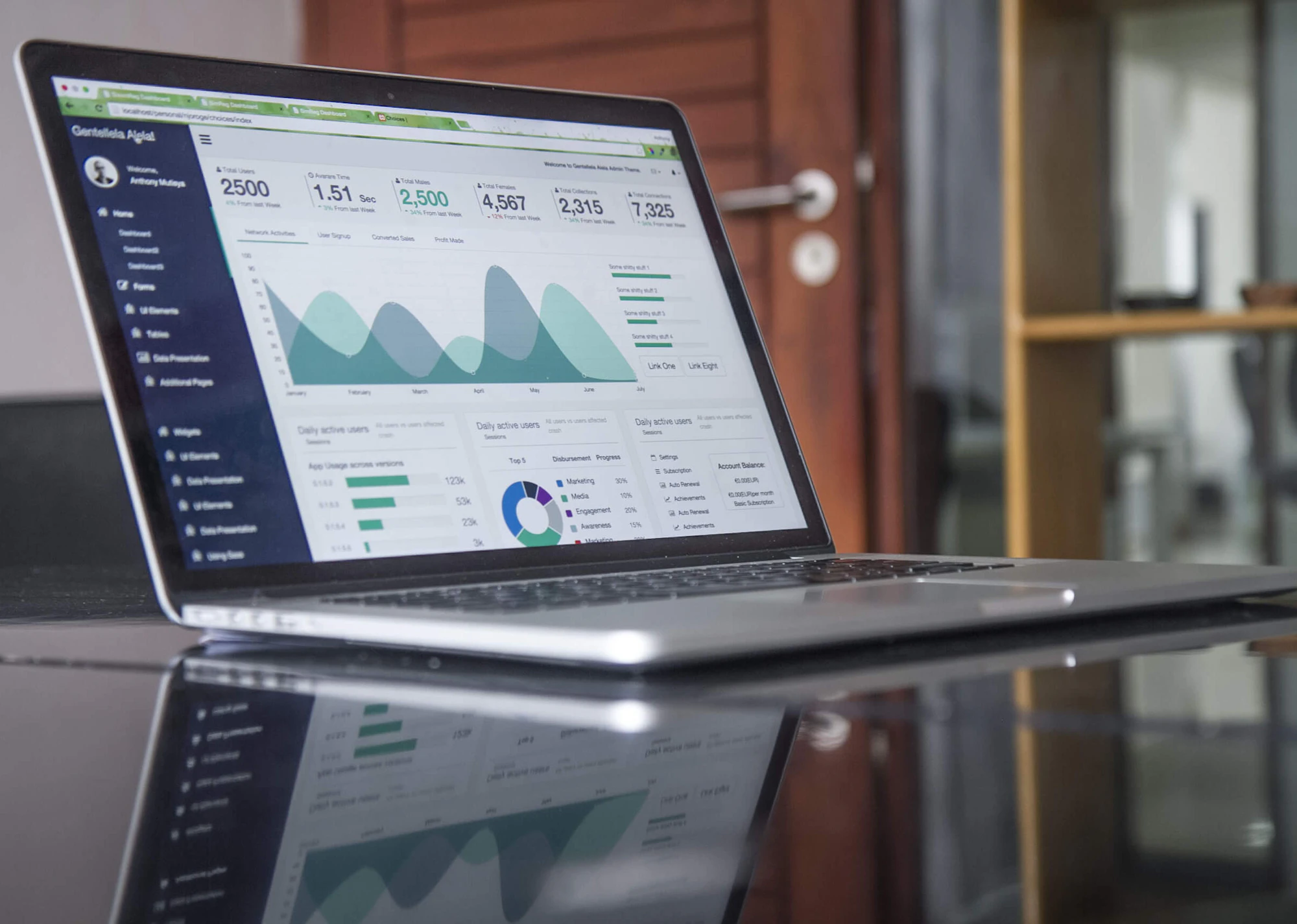
© Photo by Carlos Muza on Unsplash

Why Did My Google Rating Drop? How to Diagnose and Reverse a Falling Star Average

TLDR: A Google rating drop is almost never random. It is usually one of a few things: a cluster of recent low reviews, a handful of older five-star reviews that Google filtered out, a slowdown in new reviews so nothing offsets the bad ones, or a real service problem you did not catch in time. The fix is to figure out which one is happening, address the root cause, and rebuild your average with a steady flow of fresh, recent reviews.


Why did my Google rating drop?

If you are asking “why did my Google rating drop,” the honest answer is that something changed, even if it does not feel like it did. A Google rating drop is a symptom, not bad luck. Your star average is just math: the sum of your ratings divided by how many you have. When that number falls, one of three inputs moved. You got new low reviews, you lost some good ones to Google’s spam filter, or your total volume is so thin that a single bad review swings the whole thing.

I see this panic constantly. An owner glances at their profile, sees 4.5 where it used to say 4.8, and assumes Google is punishing them or a competitor is sabotaging them. Usually it is simpler and more fixable than that. The trick is to stop guessing and actually diagnose it, because the fix for “a one-star from an angry customer” is completely different from the fix for “Google filtered my reviews” or “I stopped asking for new ones.”

Let me walk through the real causes, how to tell which one is yours, and exactly how to reverse it.

The three things that move your Google ratingYour staraverageNew low reviews1 and 2 stars pulling downFiltered reviewsgood ones removed by GoogleLow volumeeach review swings it more

The math: why one bad review hurts so much

Before the causes, understand the mechanics, because this is where most owners get blindsided. Your rating is an average, and averages are ruthless at low volume.

Say you have 20 reviews averaging 5.0 stars. One new one-star review drops you to 4.8. Two of them and you are at 4.6. If you only had 10 reviews to start, a single one-star takes you to 4.6 by itself. The fewer reviews you have, the harder each new one hits.

Now flip it. A business with 200 reviews at 4.9 barely moves when a one-star lands. It might not even change the rounded number. That is the real lesson hiding inside a Google rating drop: low review volume is not just a visibility problem, it is a fragility problem. A thin profile is one bad day away from a visible dip. This is covered more in why low review volume is costing you traffic even if they’re all 5 stars.

What one new 1-star review does to your averageThin profile (20 reviews)Before5.0After4.8Deep profile (200 reviews)Before4.9After4.9

Cause 1: A cluster of recent low reviews

The most common reason. You had a rough stretch, maybe a busy season where jobs got rushed, a new hire still learning, or a scheduling mess, and two or three unhappy customers posted within a few weeks of each other. Even if your work is 95% excellent, a cluster of lows in a short window lands hard, especially at low volume.

How to diagnose it: sort your reviews by most recent. If your newest handful skews toward one, two, and three stars and they cluster around the same dates, this is your cause.

How to reverse it: respond to each one professionally and publicly, then fix the operational issue behind them. Do not argue. A calm, specific reply (“You are right that we ran late, here is what we changed”) reassures the next reader far more than the bad review scares them. Use the review response templates for 5-star, 3-star, and 1-star reviews so you are not writing from scratch while upset.

Cause 2: Google filtered or removed some of your reviews

Here is the one that feels like a glitch: your review count actually went down, not just your average. Google’s spam filter constantly re-evaluates reviews and can remove ones it decides look suspicious, even legitimate five-star ones. Reviews from accounts with no profile photo or history, several reviews posted from the same IP or device (like asking customers to review on your shop tablet), or a sudden unnatural burst can all get swept out.

How to diagnose it: if your total review count dropped, or if happy customers tell you “I left you a review” but you cannot find it, filtering is likely. This overlaps heavily with why your Google review is not showing up.

How to reverse it: stop any practice that trips the filter. Never collect reviews on a single shared device, never buy or incentivize reviews, and never do a one-time blast. Ask customers to review from their own phones, on their own time, spread out naturally. Legitimate filtered reviews sometimes return on their own; the durable fix is a natural, steady pattern that the filter trusts.

Cause 3: Your flow of new reviews dried up

This is the silent one. Your average did not just drop because of bad reviews; it dropped because you stopped adding good ones to balance them. When fresh five-star reviews are coming in every week, the occasional low review gets diluted almost immediately. When the flow stops, every bad review sits there at full weight with nothing to offset it.

How to diagnose it: look at the dates on your reviews. If there is a gap of a month or more since your last positive one, your flow has gone dry. Recency matters on its own too, as covered in do old reviews still count.

How to reverse it: restart a consistent review request after every job. This is the single highest-leverage fix, because it repairs the average over time and protects you against the next bad week.

Cause 4: A real service problem you did not catch in time

Sometimes the rating is telling you the truth. If the lows are specific and repeat the same complaint (always late, sloppy cleanup, hard to reach on the phone), the reviews are a lagging indicator of a real problem. The painful part is that by the time it shows up as a public one-star, the customer is already gone and the damage is already on your profile.

How to diagnose it: read the actual text of your recent lows. Do you see a pattern? Three people mentioning the same thing is not bad luck, it is a process issue.

How to reverse it: fix the process, and build a way to hear about problems before they go public. That is the whole idea behind catching unhappy customers privately, which I will come back to.

A quick diagnostic you can run in 15 minutes

What you checkWhat you seeMost likely causeFirst move
Sort reviews newest firstRecent cluster of 1 to 3 starsRecent low reviews (Cause 1)Respond, fix the operational cause
Compare total review count to last monthCount went downFiltered reviews (Cause 2)Stop filter triggers, ask naturally
Date of your last positive reviewGap of a month or moreFlow dried up (Cause 3)Restart post-job requests
Read the text of recent lowsSame complaint repeatsReal service issue (Cause 4)Fix the process, catch issues early
None of the above fitsRating moved with no new reviewsPossible Google recalculation or removed reviewMonitor a week, keep asking

How to reverse a Google rating drop for good

Diagnosing the cause is half the battle. Reversing it, and making sure it does not happen again, comes down to a simple, repeatable system. Here is the checklist I give owners:

  • Respond to every recent low review calmly and publicly within a day or two.
  • Fix the operational root cause behind the lows so the pattern stops.
  • Stop anything that trips Google’s filter (shared devices, incentives, bursts).
  • Ask every customer for a review after the job, from their own phone.
  • Spread the asks out so reviews trickle in naturally, a few a week.
  • Catch unhappy customers privately first, before they post, so you can fix the issue and keep it off your public profile.
  • Watch your average weekly, not daily, so you see the trend without the panic.

That last-but-one point is the one that quietly does the most work. Most owners only find out a customer was unhappy when the one-star review appears, and by then it is too late to do anything but damage control. If you give every customer a private, easy way to tell you how it went right after the job, the unhappy ones come to you instead of to Google, and you get a chance to make it right.

Where an unhappy customer goes decides your ratingJob finished,customer unhappyNo private channelthey vent on GooglePublic 1-star reviewrating drops, stays droppedPrivate check-in firstthey tell you insteadYou fix it, they stayrating protected

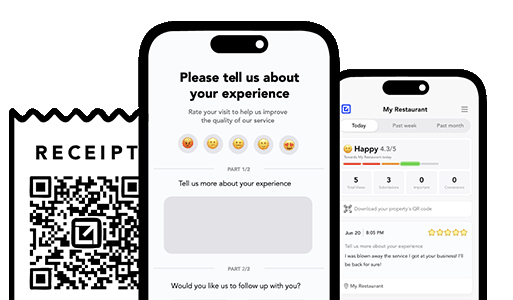
This is exactly the gap that tools like VisibleFeedback close. It sends an automatic post-job check-in to every customer, routes anyone who had a bad experience privately to you so you can fix it before it becomes a public one-star, and points the happy ones toward a Google review. VisibleFeedback was built to catch issues before they show up on Google or Yelp and to keep a steady stream of fresh reviews coming in, which is the exact combination that both reverses a rating drop and prevents the next one. Because it is no-contract and affordable, from $65 a month instead of the $299 to $699 the big reputation platforms charge, it fits a local business budget.

VisibleFeedback Icon

Automate follow ups after every job

Catch issues early and drive repeat work with smart reminders.

Start A Free Trial

Frequently asked questions

Why did my Google rating drop when I did not get any new reviews? Two common reasons. Google may have filtered out one or more of your existing reviews during a routine spam re-evaluation, which lowers both your count and your average. Or Google recalculated a rounded display value. Check whether your total review count changed. If it dropped, filtering is the likely cause, and the fix is to keep earning reviews naturally so the filter trusts your pattern.

Can a competitor lower my Google rating with fake reviews? It happens, but it is less common than owners fear, and it is against Google’s policies. If you get a review that is clearly not from a real customer (no details, references a service you do not offer, obvious competitor), you can report it to Google for removal. The strongest defense is volume: a deep base of genuine reviews makes any single fake one far less damaging.

How long does it take to recover a dropped Google rating? It depends on your volume and how fast you restart your review flow. At low volume you can see your average climb within a few weeks of steady new five-star reviews, because each one moves the needle. The higher your total, the more reviews it takes to shift the number, but also the more stable it stays once recovered.

Should I respond to the bad reviews that dropped my rating? Yes, almost always. A calm, specific, non-defensive public reply does more to reassure future readers than the review does to scare them. It shows you care and you are accountable. Never argue or share private details. See our response templates for wording.

How do I stop my Google rating from dropping again? Build two habits: ask every customer for a review after the job so fresh ones keep coming, and give customers a private way to flag problems before they post publicly. Together they keep your average high and protect it from any single bad week. Automating the follow-up means it happens after every job without you having to remember.

The bottom line

A Google rating drop feels random and personal, but it is neither. It is math responding to an input that changed: new low reviews, filtered good ones, a flow that dried up, or a real problem surfacing. Diagnose which one is yours in fifteen minutes, fix the root cause, and rebuild with a steady stream of fresh reviews. Do that and a dropped rating becomes a temporary dip instead of a permanent scar.

The best protection is to never let an unhappy customer reach your public profile in the first place. If you would rather that private-first check-in happen automatically after every job, catching problems before they hit Google and turning happy customers into fresh reviews on autopilot, start a free 14-day trial of VisibleFeedback, no credit card required.
VisibleFeedback running on iphones

Turn Jobs Into Repeat Work

Email clients after every job. Catch issues early, recover unhappy clients fast, and drive repeat work with smart reminders.

No card needed, cancel any time

Related articles

How to Manage Reviews Across Multiple Locations Without Enterprise Software

10/6/2026

Running two to ten locations means two to ten Google ratings that can drift apart without you noticing. Here is a plain-English system to manage reviews across every location, spot the weak one early, and route problems to the right manager, without paying for an enterprise suite.

Window Tinting Follow-Up: More Reviews, Fewer Callbacks, More Repeat Work

10/13/2026

A tint job looks perfect in the bay, then haze and tiny water bubbles show up on the drive home and the customer thinks you sold them junk, before the film has even cured. Here's a simple window tinting follow-up system that explains the curing window privately, earns more 5-star reviews, and turns one car into the second car, the house, and the referral.

How to Rank for 'Near Me' Searches: A Local Service Business Playbook

10/7/2026

People search 'plumber near me' or 'HVAC near me' and pick from the three businesses Google shows first. Here is exactly how those three get chosen, and how to become one of them.

People also ask

How can I prevent negative reviews from hurting my business? You can’t stop every unhappy customer from sharing feedback, but you can intercept it before it goes public. Tools like VisibleFeedback allow customers to scan a QR code and leave feedback privately. If the feedback is negative, you’re alerted instantly so you can resolve the issue before it turns into a 1-star review.
Why are customer reviews so important for local SEO? Reviews are one of the top local ranking factors on Google. Businesses with consistent positive reviews rank higher in search results and attract more customers. By using VisibleFeedback to capture happy customer moments and guide them to Google or Yelp, you build a steady flow of authentic reviews that improve both your reputation and your local SEO.
What’s the best way to collect customer feedback in 2025? Traditional methods like comment cards and long surveys don’t work anymore, customers want convenience. The easiest way to collect real-time feedback in 2025 is by using QR codes and mobile-friendly forms. VisibleFeedback makes this simple, helping you get instant insights while turning satisfied customers into 5-star reviewers.
How can I get more positive reviews? The key to getting more positive reviews is asking at the right moment, when the customer is satisfied and the experience is still fresh. With tools like VisibleFeedback, you can use smart prompts, follow-up messages, and QR codes to make it easy and natural for happy customers to leave a review, while privately capturing negative feedback before it goes public. For a full breakdown of proven strategies, check out our guide on how to get more reviews.
What’s the fastest way to handle negative reviews? Respond quickly, stay professional, and try to resolve the issue privately if possible. Negative feedback is often a chance to turn frustration into loyalty, if you act fast. Tools like VisibleFeedback help by catching complaints before they go public. For a full playbook on how to handle bad reviews and protect your reputation, check out our guide on what to do when you get negative feedback.
Do private feedback tools really work? Yes, customers prefer private channels to share complaints. VisibleFeedback captures these insights and helps you turn unhappy customers into loyal ones.
Authored by Austin Spaeth

Austin Spaeth

Austin Spaeth is the founder of VisibleFeedback, a tool that helps service companies automate post-job follow-ups, catch issues early, and drive repeat work with smart reminders. With a background in software development and a focus on practical customer retention systems, Austin built VisibleFeedback to make it easy to email customers after every job, route problems to the right person, and keep relationships strong without awkward outreach. When he’s not building new features or writing playbooks for service businesses, he’s wrangling his six kids or sneaking in a beach day.

🚀 What's your goal? Get a plan ...

🚀 Start Here For Help

Whether you’re dealing with callbacks, unhappy customers, or low repeat work, we’ll help you tighten the follow up loop.

×

👋 Wait! Before You Go

Send your first follow up today! Catch issues early and drive repeat work.

No credit card required.