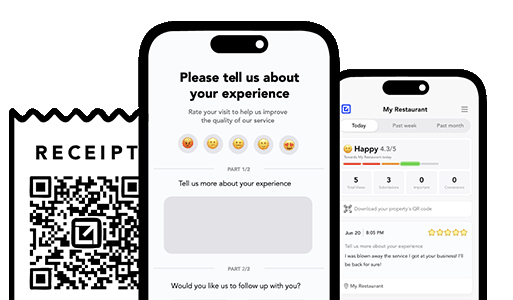
TLDR: An auto glass follow-up is a short check-in you send a day or two after a windshield repair or replacement, once the urethane has cured and the customer has actually driven the car. It catches a leak, a wind whistle, or an unfinished ADAS calibration privately, before it becomes a 1-star review, and it routes your happy drivers to leave a public review while the relief of a clean, quiet windshield is fresh. Add chip-repair, seasonal, and fleet-account reminders and the same system that catches “it leaks” before it goes public also keeps your install bay booked. Below is the timing, the ADAS check, the exact messages, copy-paste templates, a private-first review funnel, and the repeat-work loop that turns one windshield into years of steady jobs.
Why the auto glass follow-up is your best callback insurance
Auto glass has a reputation trap almost no other trade shares: your work looks perfect the exact moment you finish it, and the flaws that generate bad reviews only appear after the customer drives away. A fresh windshield sparkles in the bay. The bead looks clean, the moldings sit flush, the customer signs and leaves happy. Then the urethane finishes curing, the first rain comes, and water tracks into the passenger footwell. Or they hit the interstate and a faint wind whistle starts at 65. Or the car has a camera behind the glass for lane-keep and automatic braking, the calibration never got completed, and a warning light glows on the dash three exits from your shop. None of that was visible when they paid you. All of it is visible to Google by Monday.
An auto glass follow-up is the short message that surfaces those problems while they are still a quick fix instead of a public verdict. Here is the pattern in this trade: the three complaints that drive nearly every frustrated windshield review are a leak, a wind noise, or a dashboard warning light, and every one of them is cheap for you to solve if you hear about it first. A reseal is twenty minutes. A wind-noise fix is often a molding or a cowl clip. A recalibration is a scheduled appointment. But left to surface on their own, with no easy way for the customer to reach you, each one hardens into a 1-star that says “sloppy,” “leaks,” or “unsafe,” and that word steers the next ten shoppers to the competitor down the road. The follow-up is your one chance to catch the redo in a private thread before it becomes the review that costs you a month of leads.
What an auto glass follow-up actually is (and what it is not)
It is not a survey with ten questions. It is not a “thanks for choosing us” email that lands in a promotions folder and gets skimmed for a coupon. And it is not the automated satisfaction blast the insurance network already sends on their own schedule, which the customer reads as paperwork, not a real person offering to help.
A good auto glass follow-up is one short, plain message, sent at the right moment, that does two jobs at once:
gives a customer with a leak, a noise, or a warning light a private, easy way to tell you, so you can schedule the reseal or recalibration before they post
gives a satisfied customer a nudge toward a public review, right when the relief of a clean, quiet windshield is fresh
That is the whole thing. The wording barely matters. What matters is the timing and the discipline of sending it after every job, not just the big luxury replacements. The routine chip repair or the ten-year-old commuter you barely thought about is exactly the one where a customer notices a whistle, decides you rushed it, and tells Google instead of you.
When should you send the auto glass follow-up?
Timing beats phrasing, and auto glass has one hard constraint no other trade does: the safe drive-away time, the window the urethane needs to cure enough to hold the glass in a crash. You want the follow-up to land after the customer has driven the car through real conditions (a highway run, ideally a rain), which is usually a day or two out.
About 2 days after the install: the main check-in. Long enough that the adhesive has cured, the customer has driven at speed, and a leak or whistle has had a chance to show itself. Short enough that you are still clearly the shop that just did the work, so a heads-up feels natural instead of like digging up an old job.
After the problem is resolved, or right away if everything is perfect: the review ask. Never bundle it with the check-in, and never send a review request to someone who just told you their footwell is wet.
On a set cadence after that: the retention reminders. A chip-repair nudge, a seasonal “cold snap coming, small chips crack fast” note, and a standing cadence for fleet, dealer, and body-shop accounts, plus a thank-you and referral ask to anyone who sends you work.
Send the check-in a week late and the leak has already dried into resentment and a review. Send it two days out and you catch the customer while they still think of you as the shop that fixed their car, not a line item they are second-guessing. For more on getting this window right across trades, see when to send follow-ups after a job.
A small chip becomes a full replacement fast. A simple reminder catches it while it is still a fifteen-minute fill. Photo by Gohar Khachatryan on Unsplash.
Don’t skip the ADAS question
If there is one thing that separates a modern auto glass follow-up from an old one, it is ADAS. More and more windshields have a camera behind the glass that runs lane-keep assist, automatic emergency braking, and adaptive cruise. Replace the glass and that camera almost always needs recalibration, and if it is off, the car’s safety systems can misread the road. When a customer sees a warning light or feels the lane assist tugging wrong, they do not think “calibration,” they think “these people did something unsafe to my car,” and that is one of the harshest reviews an auto glass shop can get.
So make the warning light a named part of your check-in, every time, even when you completed the calibration in-house. Ask it plainly: “Any warning lights on the dash, like lane assist, cruise, or collision alerts?” If the answer is yes, you get to explain and schedule a recheck privately instead of reading “unsafe” on Google. If the answer is no, you have quietly confirmed the most expensive callback in the trade never happened.
Automate follow ups after every job
Catch issues early and drive repeat work with smart reminders.
Keep them short and human. An auto glass customer just spent money they did not plan to spend, often through an insurance claim they found confusing, and they are alert to being upsold. Here is a copy-paste set you can adapt to your shop’s voice. Swap the reply keywords for whatever your texting setup uses.
When
Channel
Message
~2 days after install
Text
Hi [Name], it’s [Shop]. Checking in on the new windshield now that you’ve driven it. Any water inside, wind noise, or warning lights on the dash? Reply 1 all good, 2 a quick issue, 3 please call me.
~2 days, longer note
Email
Hi [Name], thanks again for trusting [Shop] with your windshield. Now that the glass has cured and you’ve had it on the road, we want to make sure everything’s perfect: no leaks after rain, no wind noise at speed, and no dashboard warning lights from the camera systems. If anything seems off, just reply and we’ll get you scheduled at no charge.
Reply is “all good”
Text
Love it, thanks [Name]. If you have 30 seconds, a quick review really helps a small shop like ours: [review link]. No pressure, and thank you either way.
Reply flags an issue
Text
Sorry to hear that, let’s fix it. Can you swing by [address], or would a mobile visit be easier? What times work this week?
6-9 months later
Text
Hi [Name], it’s [Shop]. Any new rock chips? We can usually fill a chip in about 15 minutes before it spreads into a full replacement. Want us to take a look?
Fleet / dealer account
Email
Hi [Name], quarterly check-in from [Shop]. Any glass on the fleet needing chips filled or replacements this month? Reply and we’ll schedule around your routes.
Notice the split. The check-in never asks for a review, it asks about problems. The review ask only goes to people who already told you it is perfect. That order is the whole game, and it is why a private channel matters more than a bigger review button. For the full playbook on that funnel, see the private-praise-to-public-reviews funnel approach.
The private-first review funnel
The reason this works is not clever copy, it is sequence. You give every customer a private lane to complain in first. The unhappy ones take it, and you fix the car. The happy ones sail through to the public review. You are not hiding negative feedback, you are hearing it in time to act on it, which is exactly what a fair review system should do.
Doing this by hand works when you finish two or three cars a day and you are the one texting. It falls apart the week you are slammed, the mobile tech is behind, and the follow-ups quietly stop, which is always the week a leak turns into a review. That is the gap tools like VisibleFeedback are built to close: it sends the two-day check-in automatically after every job, routes any “it leaks” or “warning light” reply straight to you as an instant alert so it never sits, and only invites the happy customers to post publicly. It was built to catch issues before they show up on Yelp or Google, which is exactly the pattern auto glass lives and dies by. Same idea we cover in how to reduce callbacks with a post-job follow-up system, applied to glass.
Turn one windshield into a steady account
The follow-up is not only defense. Auto glass has more repeat and referral revenue than most owners bank on, and the same message thread is where you collect it.
Chips before they crack. Every customer who has had one replacement knows the pain of the next chip. A reminder that you fill chips fast and cheap, before a cold snap runs the crack across the whole windshield, brings back work the customer would otherwise ignore until it is a full replacement.
Fleet, dealer, and body-shop accounts. These are the customers who need glass all the time and forget to call. A quarterly check-in keeps you top of the list instead of whoever the manager Googles that day.
Referrals. A driver who just watched you fix a leak in twenty minutes with no drama and no charge is your best salesperson. Ask them, once, right after you have earned it.
This is the retention half of the loop, and it is the same muscle a good auto detailing follow-up or auto repair shop follow-up uses. Catch the problem privately, earn the review, then keep the relationship warm so the next chip, the next fleet vehicle, and the next referral come to you.
A simple auto glass follow-up checklist
Send a check-in text about 2 days after every repair and replacement, in-shop and mobile
Name the three real problems in the message: water, wind noise, and dashboard warning lights
Route any flagged issue to a real person the same day, and offer mobile or in-shop for the redo
Only ask for a public review after the customer confirms it is all good
Make the review link one tap, and mention it helps a small local shop
Add a chip-repair reminder 6 to 9 months out
Keep fleet, dealer, and body-shop accounts on a quarterly cadence
Ask for a referral once, right after you have clearly earned it
Frequently asked questions
How long after a windshield replacement should I follow up? About two days. You want the urethane cured and the customer to have driven the car at highway speed, ideally through a rain, so a leak or wind noise has had a chance to appear. Much sooner and the problem has not surfaced yet; much later and it has already curdled into a review.
What should the follow-up message actually say? Keep it to one or two sentences and name the real problems: water inside the car, wind noise at speed, and any dashboard warning lights from the camera systems. Give an easy reply option. Do not ask for a review in the same message; ask only after they confirm everything is good.
Isn’t a private feedback step just hiding bad reviews? No. You are giving every customer a private way to reach you first, and you fix the real problems that come in. The happy customers still go on to leave public reviews. You are not suppressing anything, you are hearing complaints in time to resolve them instead of learning about them on Google. If a public bad review still lands, here is how to respond to it.
How does this help with ADAS calibration complaints specifically? By making “any warning lights on the dash” a standard question in every check-in. If a calibration is off or was missed, the customer tells you in a text thread and you schedule a recheck, instead of posting that your shop left their car unsafe. It turns the trade’s most expensive callback into a private appointment.
Do I need software, or can I do this by hand? Start by hand with a notes app and a texting app to prove it works. Automate it once the volume makes manual follow-up unreliable, because the week you get busy is the week manual reminders stop and a leak becomes a 1-star. That is the exact job post-job follow-up software is built for.
The bottom line
Your windshield work looks perfect the day you finish it. The leak, the whistle, and the warning light show up later, on the customer’s time, out of your sight. A short follow-up two days out is how you get those problems in a text thread instead of on Google, and how you turn every clean, quiet, no-warning-light install into the 5-star review that brings the next driver in. Catch the redo privately, ask the happy ones publicly, and keep the account warm for the next chip.
VisibleFeedback automates that whole loop, private problem detection before public reviews, automated chip and fleet reminders, and simple weekly summaries, on affordable no-contract pricing built for a shop, not an enterprise. Start a free 14-day trial of VisibleFeedback, no credit card required.
Automate follow ups after every job
Catch issues early and drive repeat work with smart reminders.
How can I prevent negative reviews from hurting my business? You can’t stop every unhappy customer from sharing feedback, but you can intercept it before it goes public. Tools like VisibleFeedback allow customers to scan a QR code and leave feedback privately. If the feedback is negative, you’re alerted instantly so you can resolve the issue before it turns into a 1-star review.Why are customer reviews so important for local SEO? Reviews are one of the top local ranking factors on Google. Businesses with consistent positive reviews rank higher in search results and attract more customers. By using VisibleFeedback to capture happy customer moments and guide them to Google or Yelp, you build a steady flow of authentic reviews that improve both your reputation and your local SEO.What’s the best way to collect customer feedback in 2025? Traditional methods like comment cards and long surveys don’t work anymore, customers want convenience. The easiest way to collect real-time feedback in 2025 is by using QR codes and mobile-friendly forms. VisibleFeedback makes this simple, helping you get instant insights while turning satisfied customers into 5-star reviewers.
Austin Spaeth is the founder of VisibleFeedback, a tool that helps service companies automate post-job follow-ups, catch issues early, and drive repeat work with smart reminders. With a background in software development and a focus on practical customer retention systems, Austin built VisibleFeedback to make it easy to email customers after every job, route problems to the right person, and keep relationships strong without awkward outreach. When he’s not building new features or writing playbooks for service businesses, he’s wrangling his six kids or sneaking in a beach day.
🚀 What's your goal? Get a plan ...
🚀 Start Here For Help
Whether you’re dealing with callbacks, unhappy customers, or low repeat work, we’ll help you tighten the follow up loop.


 A small chip becomes a full replacement fast. A simple reminder catches it while it is still a fifteen-minute fill. Photo by Gohar Khachatryan on Unsplash.