TLDR: A home inspector follow-up is a short, timed check-in you send after the inspection and again after the report lands. It catches a confused or worried buyer privately, in the anxious hours when most bad reviews are born, before a routine maintenance note turns into a 1-star. It points relieved buyers toward a public review, and it keeps you in front of the real estate agents who send you most of your work. Below is the timing, the exact text and email templates, a private-first review funnel, and the agent referral loop that keeps an inspector’s calendar full.
Why the home inspector follow-up is your cheapest reputation insurance
Most home service reviews are about the work. In home inspection, they usually are not. You can do a genuinely thorough job, catch everything, write a clean report, and still get burned. A strong home inspector follow-up is the difference, because it puts you back in the conversation during the one stretch that decides your reputation: the anxious hours after the buyer opens a long, scary-looking PDF about the biggest purchase of their life.
Think about what actually happens. You spend three hours on the house, document forty items, and send a professional report. To you, “elevated moisture in the crawlspace, recommend monitoring” is a routine note. To a first-time buyer reading it alone at 11pm, it sounds like the foundation is failing. There is nobody to ask. The deal feels shaky. The stress needs somewhere to go, and Google is right there. A large share of an inspector’s worst reviews come from inspections that were completely correct, they just were not explained. That is a problem no amount of extra thoroughness solves. Only a follow-up does.
What a home inspector follow-up actually is (and what it is not)
It is not a long satisfaction survey nobody fills out. It is not a monthly newsletter about seasonal maintenance that dies in a promotions folder. And it is not a review link stapled to the bottom of the report before the buyer has even read it.
A good home inspection follow-up is one short, warm message at two moments that each do a specific job:
the report follow-up, sent the evening the PDF goes out, which gives a nervous buyer a private, easy way to ask “wait, is this bad?” so you can explain a routine note before it becomes a public complaint
the post-close follow-up, sent after the deal actually closes, which asks a relieved, happy buyer for a review and quietly thanks the agent who put you on the job
That is the whole thing. In home inspection the timing matters more than the wording, because the danger window is short and specific. The panic happens the night the report lands. The review, good or bad, gets written within a week of closing. Miss those two windows and you are reacting to whatever the buyer decided on their own.
When should you send a home inspection follow-up?
Timing beats phrasing. Map a check-in to the two moments that actually decide your reputation, plus one for the agent.
The evening the report goes out: the most important one, and the one almost everyone skips. This is the anxious window. A short “the report’s in your inbox, it’s normal for it to look long, reply here with any questions” turns a solo 11pm spiral into a two-line conversation with you.
A day or two after the report, if they went quiet: buyers who did not reply are not always fine. A gentle “did the report make sense, anything you want me to walk through?” catches the ones who were too overwhelmed to ask.
After closing: the payoff check-in. The stress is over, they got the house, and this is when a happy buyer becomes a review. Ask once, make it one tap, send the direct link.
To the agent, at report and after close: a heads-up when the report is sent so nothing blindsides them, and a thank-you after closing. Your repeat customer is the realtor, not the buyer, so this message is your pipeline.
The private review funnel: catch the panic before it goes public
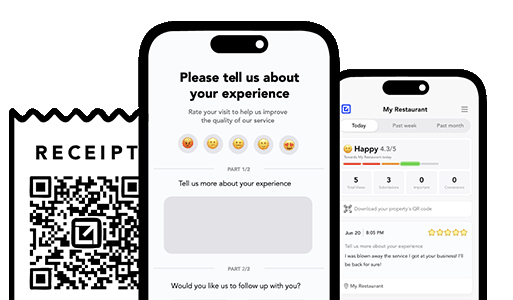
The core move in any good follow-up is simple. You ask people how it went before you ask them to post, and you route the two answers to two different places. Happy buyers go to Google. Worried buyers come straight to you. Tools like VisibleFeedback intercept that dissatisfaction before it turns into a review, which for an inspector is the whole ballgame, because your bad reviews are usually just unanswered questions.
The magic is in the routing. When a buyer taps “I have a question,” that never turns into a review request, it turns into a callback from you within the hour. You explain that elevated moisture in a crawlspace is a monitoring item, not a foundation crisis, and the buyer who was thirty seconds from a 1-star instead tells their agent you were incredibly responsive. Same information, completely different outcome, decided entirely by whether you reached out first. If a real problem surfaces, you handle it like any recovery: fast and personal. Here is a 15-minute recovery process that works for any service business.
Copy-paste home inspection follow-up templates
Keep them short, human, and tied to a real moment. Steal these and change the voice to match yours.
Report follow-up (text, same evening):
Hi [Name], this is [You] with [Company]. Your inspection report is in your inbox. Heads up, it looks long and detailed, that’s on purpose, and most items are routine maintenance, not dealbreakers. If anything in there worries you, just reply here and I’ll walk you through it tonight or first thing tomorrow. Congrats on the house.
Quiet-buyer nudge (text, day 2):
Hi [Name], just checking the report made sense. Home inspection reports can read scarier than they are. Want me to hop on a quick call and go over the highlights? No charge, happy to.
Post-close review ask (text, after closing):
Hi [Name], congrats on closing! It was a pleasure inspecting the home for you. If you felt taken care of, a quick Google review would mean a lot and helps other buyers find a thorough inspector: [direct link]. Thanks so much.
Agent thank-you (text, after closing):
Hi [Agent], great working with you on [address], glad it closed smoothly. Always happy to be your inspector on the next one, and thanks for the referral. Reports usually same day, and I keep your buyers calm through the scary parts.
Your real repeat customer is the agent, not the buyer
Here is the thing that makes home inspection different from almost every other trade. Your buyer will not hire you again for years, if ever. People buy a house once every seven years or so. So the retention game is not “get this buyer back,” it is “get this agent’s next twenty buyers.” The agent is your account. The buyer is one transaction inside it.
That reframes the whole follow-up. Every buyer you keep calm and every fast report you deliver is really a deposit in the agent’s trust. Agents refer the inspector who makes them look good and never blows up a deal. So the referral loop is not a nice-to-have, it is the business.
The follow-up feeds this loop on both sides. It keeps the buyer calm, which protects the agent, and it gives you a natural reason to touch base with the agent after every close. That is how a solo inspector ends up with three or four agents who send them nearly all their work.
Doing it by hand vs automating it
You can absolutely start this with a texting app and a notes doc. The templates above work the day you copy them. The trouble shows up at volume.
By hand
Automated
Report-night text
Easy to forget after a long day of inspections
Fires automatically when the report is marked sent
Quiet-buyer nudge
Rarely happens, you’re onto the next job
Sends on day 2 only if they didn’t reply
Routing a worried reply
Buried in your personal texts
Flagged and sent to you instantly
Review ask after close
You forget which deals actually closed
Triggered after closing, only to happy buyers
Agent thank-you
Slips when you’re busy
Automatic, so no agent gets missed
Weekly view of issues
None
Summary of what’s trending
The reason inspectors automate it is simple math. Once you are doing eight or ten inspections a week, remembering to text every buyer the night their report lands, nudge the quiet ones two days later, route every worried reply to yourself before it goes public, ask only the happy closers for a review, and thank every agent after every deal becomes its own job, and it is exactly the job that slips when your inspection calendar is packed. VisibleFeedback runs it on autopilot: it sends the report-night and post-close check-ins on your schedule, routes any worried reply straight to you before it goes public, points happy buyers to a Google review, and keeps the agent thank-yous going out. VisibleFeedback was built to catch issues before they show up on Yelp or Google, and it starts at $65 a month with no contract, versus the $299 to $699 the big reputation platforms charge, which matters when you are a one-truck inspector, not a franchise.
Automate follow ups after every job
Catch issues early and drive repeat work with smart reminders.
Text the buyer the evening the report goes out, telling them it’s normal for it to look long
Invite questions right there, so worry comes to you instead of Google
Nudge quiet buyers on day 2 with a free offer to walk through the highlights
Keep it to one tap: 1 all clear / 2 have a question / 3 please call me
Route every “question” and “call me” to a same-day callback, never to a review
Ask for the review only after closing, only from buyers who felt taken care of
Send the Google review link directly, not “find us online”
Send the agent a heads-up when the report goes out and a thank-you after close
Track which agents refer you, and stay in front of them
Do it for every inspection, not just when you remember
FAQ
What is a home inspector follow-up? It is a short message you send after an inspection: one the evening the report goes out, and one after the deal closes. The report-night message catches a worried buyer privately so you can explain a routine note before it becomes a public review. The post-close message asks a happy buyer for a review and thanks the agent who referred you.
When should I send the follow-up? The report-night text matters most, because that anxious evening is when the worst reviews are written. Add a gentle day-2 nudge for buyers who went quiet, then a review ask after closing, and an agent thank-you after every deal. For a broader look at timing, see our guide on when to send follow-ups after a job.
How do home inspectors get more Google reviews without being pushy? Only ask buyers who already told you they’re happy, ask once, after closing, and make it one tap with a direct link. That is the whole trick. Here is the longer version on getting more Google reviews for a service business.
What if a buyer is upset about something in the report? Reach out fast and personally, and explain the difference between a monitoring item and a real defect. Most inspection complaints are unanswered questions, not real disputes. If a review does slip through, respond calmly and factually. Here is how to respond to bad reviews without making it worse.
How does this help me get more agent referrals? Agents refer the inspector who keeps their deals calm and makes them look good. Every worried buyer you catch privately protects the agent’s transaction, and the post-close thank-you keeps you top of mind for the next one. Since a realtor sends you far more work than any single buyer ever will, that loop is your real growth engine.
The bottom line
Your reputation as a home inspector is not decided during the inspection. It is decided that evening, in a quiet room, while a nervous buyer reads a long report alone and decides for themselves whether “elevated moisture” means the house is falling down. A short text at the right moment puts you back in that room: you catch the worried buyers before they go public over a routine note, you turn the relieved ones into the reviews that win your next comparison, and you keep the agents who feed your calendar glad they picked you.
Start with the templates above and one habit: text every buyer the night their report lands. If you would rather it run itself across every inspection and every agent, start a free 14-day trial of VisibleFeedback, no credit card required.
Share with
Turn Jobs Into Repeat Work
Email clients after every job. Catch issues early, recover unhappy clients fast, and drive repeat work with smart reminders.
How can I prevent negative reviews from hurting my business? You can’t stop every unhappy customer from sharing feedback, but you can intercept it before it goes public. Tools like VisibleFeedback allow customers to scan a QR code and leave feedback privately. If the feedback is negative, you’re alerted instantly so you can resolve the issue before it turns into a 1-star review.Why are customer reviews so important for local SEO? Reviews are one of the top local ranking factors on Google. Businesses with consistent positive reviews rank higher in search results and attract more customers. By using VisibleFeedback to capture happy customer moments and guide them to Google or Yelp, you build a steady flow of authentic reviews that improve both your reputation and your local SEO.What’s the best way to collect customer feedback in 2025? Traditional methods like comment cards and long surveys don’t work anymore, customers want convenience. The easiest way to collect real-time feedback in 2025 is by using QR codes and mobile-friendly forms. VisibleFeedback makes this simple, helping you get instant insights while turning satisfied customers into 5-star reviewers.
Austin Spaeth is the founder of VisibleFeedback, a tool that helps service companies automate post-job follow-ups, catch issues early, and drive repeat work with smart reminders. With a background in software development and a focus on practical customer retention systems, Austin built VisibleFeedback to make it easy to email customers after every job, route problems to the right person, and keep relationships strong without awkward outreach. When he’s not building new features or writing playbooks for service businesses, he’s wrangling his six kids or sneaking in a beach day.
🚀 What's your goal? Get a plan ...
🚀 Start Here For Help
Whether you’re dealing with callbacks, unhappy customers, or low repeat work, we’ll help you tighten the follow up loop.