Real Estate Agent Follow-Up: More Reviews, Referrals, and Repeat Clients
A real estate agent follow-up is not a thank-you card you send if you remember. It is a short, timed check-in during and after every transaction that catches a stressed client before they vent online, turns a happy closing into a review while the feeling is fresh, and keeps you top of mind for the years between moves. Get it right and your pipeline stops depending on cold leads, because your past clients do the selling for you.
Here is the uncomfortable truth about this business. Your clients buy or sell a house maybe once a decade. That means a single bad review sits on your profile for years, and the referral you failed to earn never shows up anywhere you can see it. You just quietly get fewer calls. A good real estate agent follow-up system fixes both ends: it protects the reputation you already have and it keeps the past clients who are your best source of new business from forgetting your name.
Why most of your reputation is decided when you are not looking
Most agents think their reputation is built on closing day, with the keys and the photo in front of the sold sign. It is not. It is built in two stretches you usually are not watching.
The first is the stressful middle of the deal. The inspection turns up something scary. The appraisal comes in low. The closing slips a week because the lender needs one more document. To you these are Tuesday. To a first-time buyer they feel like the deal is collapsing, and the anxiety has to go somewhere. If you are not checking in during those moments, the client decides on their own how it is going, and silence reads as “my agent disappeared when it got hard.”
The second is the long quiet after closing. Your client is not moving again for years, so the game is not “get this client back soon,” it is “be the name they say when a coworker mentions they are house hunting.” Studies of the industry consistently put repeat and referral business at well over half of a typical productive agent’s deals, yet most agents have no system for staying in front of the people who generate it. They go silent after closing and wonder why the phone is quiet two years later.
What a real estate agent follow-up actually is (and what it is not)
It is not a long satisfaction survey. It is not a monthly market-stats newsletter that dies in the promotions folder. And it is not a review link blasted out the second the deal closes, before the client has caught their breath.
A good follow-up is a few short, warm messages at the moments that each do a specific job:
the mid-deal check-in, sent during the stressful parts, which gives an anxious client a private, easy way to say “I’m nervous about this” so you can calm them before frustration becomes a public review
the post-close review ask, sent a day after closing, which catches a happy client at the emotional peak and turns that feeling into a review
the past-client touch, sent a few times a year, which keeps you top of mind so you are the agent they name when a friend is ready to move
That is the whole system. In real estate the timing matters as much as the wording, because the two windows that decide your reputation, the stressful middle and the quiet years, are exactly the two most agents ignore.
When should a real estate agent send follow-ups?
Timing beats phrasing. Map a check-in to the moments that actually move your reputation and your pipeline.
During inspection, appraisal, and any delay: the most important and the most skipped. A short “I know this part feels stressful, here’s what happens next, text me anything” turns a 1am spiral into a two-line conversation with you.
The day after closing: the payoff ask. The stress is over, they have the keys, and this is the happiest they will feel about the whole process. Ask once, make it one tap, send the direct link.
A few weeks after move-in: a genuine “how’s the new place settling in?” with no ask attached. This is the one that makes people feel remembered.
The home anniversary and a couple of light touches a year: the referral engine. A quick note on the one-year anniversary of their purchase, plus a seasonal check-in or two, keeps you from fading into the background.
The private feedback funnel: catch frustration before it goes public
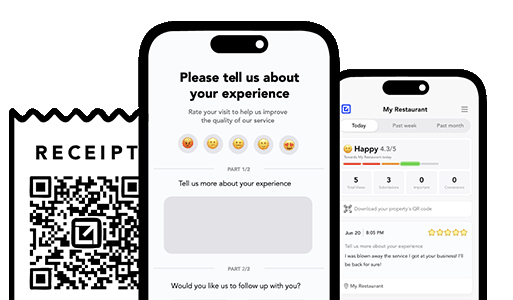
The core move in any good follow-up is simple. You ask people how it is going before you ask them to post, and you route the two answers to two different places. Happy clients go to Google. Frustrated clients come straight to you. Tools like VisibleFeedback intercept that dissatisfaction before it turns into a review, which for an agent carrying a long transaction is the whole ballgame, because your worst reviews usually come from stress you could have talked someone through.
The magic is in the routing. When a client taps “I’m a little worried,” that never turns into a review request, it turns into a call from you within the hour. You explain that a low appraisal has a few standard paths and that you have handled it a dozen times, and the client who was quietly deciding you were in over your head instead tells their friends you were calm and on top of everything. Same facts, opposite outcome, decided entirely by whether you reached out first. If a real problem surfaces, handle it like any recovery: fast and personal. Here is a 15-minute recovery process that works for any service business.
Copy-paste real estate follow-up templates
Keep them short, human, and tied to a real moment. Steal these and change the voice to match yours.
Mid-deal check-in (text, during inspection or appraisal):
Hi [Name], it’s [You]. We’re in the part of the process that feels the most up in the air, and that’s completely normal. Here’s where we stand: [one line]. Text me any time with questions, even the small ones. We’ve got this.
Delay heads-up (text, when closing slips):
Hi [Name], quick update: closing moved to [date] because [plain reason]. Nothing’s wrong with your deal, this happens often and I’m already on it. I’ll keep you posted at every step. Anything you want me to clarify?
Post-close review ask (text, day after closing):
Hi [Name], congratulations again, you’re officially home! It was a joy working with you. If you felt taken care of, a quick Google review would mean the world and helps other buyers find an agent who’ll fight for them: [direct link]. Thank you!
Move-in check (text, a few weeks later):
Hi [Name], how’s the new place settling in? No agenda, just genuinely hoping you’re loving it. If you ever need a good [electrician/plumber/handyman], I keep a short list of people I trust. Happy to share.
Home anniversary (text, one year later):
Hi [Name], hard to believe it’s been a year in the house! Hope it still feels like home. If you or anyone you know is ever thinking about a move, I’d love to help. And if you’re curious what your place is worth now, just say the word.
Here is what separates agents with a full pipeline from agents chasing cold leads. The busy ones treat every closed client as the start of a relationship, not the end of a transaction. They know the next deal is rarely the same client; it is that client’s sister, coworker, or neighbor, and it arrives one to five years from now. Your only job in the meantime is to not be forgotten.
Recurring touches are what keep this loop turning. Not a wall of marketing, just a few genuine, well-timed messages a year: the move-in check, the home anniversary, a short note when the market shifts in their neighborhood. Each one is a quiet reminder that you exist and that you were good to work with. That is also where retention and referral reminders earn their keep, and it is exactly what turning one-time customers into repeat work without spam is about for any service business.
Doing it by hand vs automating it
You can absolutely start this with your phone and a spreadsheet. The templates above work the day you copy them. The trouble shows up over time, because real estate follow-up is a marathon, not a closing-day sprint.
By hand
Automated
Mid-deal check-in
Forgotten when you’re juggling five deals
Fires on key milestones automatically
Routing a worried reply
Buried in your personal texts
Flagged and sent to you instantly
Review ask after closing
You forget which deals just closed
Triggered the day after closing, to happy clients only
Move-in check
Rarely happens
Sends a few weeks out, hands-free
Home anniversary
Nearly impossible to track across years
Automatic on each client’s date
Weekly view of who’s unhappy
None
Summary of issues and trends
The reason agents automate it is simple math. Keeping track of where every active deal is, which closings happened this week, which clients hit a move-in or anniversary date, and which worried text needs a call back before it becomes a review is its own full-time job, and it is exactly the job that slips when you are showing houses and writing offers. VisibleFeedback runs it on autopilot: it sends the mid-deal and post-close check-ins on your schedule, routes any worried reply straight to you before it goes public, points happy clients to a Google review, and keeps the anniversary and past-client touches going out for years. VisibleFeedback was built to catch issues before they show up on Yelp or Google, and it starts at $65 a month with no contract, versus the $299 to $699 the big reputation platforms charge, which matters a lot when you are an independent agent, not a brokerage with a marketing department.
Automate follow ups after every job
Catch issues early and drive repeat work with smart reminders.
Check in during inspection, appraisal, and any delay, so stress comes to you instead of Google
Keep it to one tap: 1 all good / 2 have a question / 3 please call me
Route every “question” and “call me” to a same-day call, never to a review
Ask for the review the day after closing, only from clients who felt taken care of
Send the Google review link directly, not “find us online”
Send a no-agenda move-in check a few weeks after closing
Mark every client’s home anniversary and reach out each year
Add one or two light, genuine touches a year to stay top of mind
Track which past clients send you referrals, and thank them every time
Do it for every client, not just the ones you happen to remember
FAQ
What is a real estate agent follow-up? It is a short set of messages you send during and after a transaction: a check-in during the stressful parts, a review ask the day after closing, and light touches over the following years. The mid-deal check-in catches an anxious client privately before frustration becomes a review. The post-close ask turns a happy client into a review. The ongoing touches keep you top of mind for referrals and repeat business.
When should a real estate agent ask for a review? The day after closing is the sweet spot. The stress is over, the keys are in hand, and the client is at the emotional high of the whole process. Ask once, keep it to one tap, and send the direct link. For the full timing logic, see when to send follow-ups after a job.
How do real estate agents get more Google reviews without being pushy? Only ask clients who have already told you they’re happy, ask once at the right moment, and make it one tap with a direct link. Checking in privately first means the people you ask are the people glad to post. Here is the longer version on getting more Google reviews for a service business.
What should I do if a client is upset mid-transaction? Call them, fast and personally, and explain what is happening and what you are already doing about it. Most real estate complaints are fear of the unknown, not real disputes. Handling it live almost always prevents the bad review and often earns a better one. If one does slip through, respond calmly and factually; here is how to respond to bad reviews without making it worse.
How does follow-up help me get more referrals? Referrals come from being remembered and trusted. Every worried client you calm during a deal protects your reputation, and every genuine touch over the quiet years keeps you from fading out of mind. Since most of a strong agent’s business comes from past clients and the people they refer, that loop is your real growth engine, not cold lead buys.
The bottom line
Your reputation as an agent is not decided on closing day. It is decided in the stressful middle of the deal, when a nervous client is quietly deciding whether you vanished when it got hard, and in the long years afterward, when you are either top of mind or forgotten. A few short messages at the right moments put you back in both places: you calm the worried clients before they go public, you turn the happy ones into the reviews that win your next listing appointment, and you keep the past clients who feed your pipeline glad they picked you.
Start with the templates above and one habit: check in during every inspection and appraisal. If you would rather it run itself across every deal and every past client, start a free 14-day trial of VisibleFeedback, no credit card required.
Share with
Turn Jobs Into Repeat Work
Email clients after every job. Catch issues early, recover unhappy clients fast, and drive repeat work with smart reminders.
How can I prevent negative reviews from hurting my business? You can’t stop every unhappy customer from sharing feedback, but you can intercept it before it goes public. Tools like VisibleFeedback allow customers to scan a QR code and leave feedback privately. If the feedback is negative, you’re alerted instantly so you can resolve the issue before it turns into a 1-star review.Why are customer reviews so important for local SEO? Reviews are one of the top local ranking factors on Google. Businesses with consistent positive reviews rank higher in search results and attract more customers. By using VisibleFeedback to capture happy customer moments and guide them to Google or Yelp, you build a steady flow of authentic reviews that improve both your reputation and your local SEO.What’s the best way to collect customer feedback in 2025? Traditional methods like comment cards and long surveys don’t work anymore, customers want convenience. The easiest way to collect real-time feedback in 2025 is by using QR codes and mobile-friendly forms. VisibleFeedback makes this simple, helping you get instant insights while turning satisfied customers into 5-star reviewers.
Austin Spaeth is the founder of VisibleFeedback, a tool that helps service companies automate post-job follow-ups, catch issues early, and drive repeat work with smart reminders. With a background in software development and a focus on practical customer retention systems, Austin built VisibleFeedback to make it easy to email customers after every job, route problems to the right person, and keep relationships strong without awkward outreach. When he’s not building new features or writing playbooks for service businesses, he’s wrangling his six kids or sneaking in a beach day.
🚀 What's your goal? Get a plan ...
🚀 Start Here For Help
Whether you’re dealing with callbacks, unhappy customers, or low repeat work, we’ll help you tighten the follow up loop.