TLDR: A mobile mechanic has no shop to walk into, so your online reviews are the entire storefront, and your biggest reputation risk is a comeback you never hear about. A short next-day follow-up text catches the “it is doing it again” problems privately, so you fix them on one planned trip instead of reading about them on Google. The same message routes your happy drivers to leave a public review and brings them back for the next oil change. Below is the timing, the exact texts, copy-paste templates, a private-first review funnel, and the recurring reminders that keep your calendar full.
Why your reviews are the whole storefront
A shop has a building. A sign on a busy street, a waiting room, a bay a nervous customer can walk into and size up before they hand over the keys. You have none of that. When someone searches “mobile mechanic near me,” the only thing standing between you and the next guy is your star rating and how recent your reviews are. For a mobile mechanic, follow-up is not a nice-to-have marketing extra. It is the difference between a full week and a quiet one.
That also means a single bad review hits you harder than it would hit a shop with a prime location and a decade of walk-in regulars. You cannot lean on a storefront to reassure people. So the whole game becomes two things: stop the avoidable bad reviews before they post, and get a steady stream of fresh 5-star reviews from the customers who are already happy. A simple follow-up does both at once, and it runs off the phone you already have in your pocket between jobs.
Here is the part most mobile techs miss. You already booked the job by phone or app, so you have the customer’s number and their permission to text them about the work. You are one message away from the single highest-leverage habit in the trade.
What a mobile mechanic follow-up actually is
A follow-up is not a marketing blast. It is a short, specific check-in sent a set amount of time after the job, built to do one job first: surface a problem while you can still fix it quietly. For a mobile mechanic that window matters even more than it does for a shop, because the customer cannot just swing by. If something is off, they are stuck, and a stuck customer who feels abandoned writes the brutal reviews.
The quiet fix is the whole value. A comeback handled privately costs you one scheduled trip and a part. The same comeback discovered on Google costs you that trip plus the review, plus every future customer who reads it. One is a line item. The other follows you around.
When should you send the follow-up?
Timing is specific to the kind of work, because the symptom shows up on its own schedule. The rule of thumb: reach out while the customer can still feel whether the fix held, and before they have had time to stew.
Job type
Send the first check-in
Why then
Battery, starter, no-start fix
Next morning
A no-start comes back on the next cold start, not the same afternoon
Brakes, suspension, steering
24 to 48 hours
Noises and pulls show up once they have driven normal roads
Oil change, fluids, filters
2 to 3 days
Leaks and warning lights surface after a few drive cycles
Diagnostic only, no repair yet
Same evening
Confirm the quote landed and answer questions before they call a competitor
Pre-purchase inspection
Same day
The buyer is deciding now; be the trusted voice in the moment
One message is usually enough to catch the problem. If they do not reply at all, a single nudge a day later is fine. More than that and you are the annoying one, which is its own kind of bad review.
The one-tap message that catches comebacks before they hit Google
Keep the first text stupidly simple and give them an easy way to say “something is wrong” without feeling like they are complaining. A three-way answer works better than “how did we do?” because it gives permission to be honest.
Hi Dana, it’s Marcus with Rapid Mobile Auto. Quick check on the Accord from yesterday, how is it running now? Reply: 1) All good 2) A little off 3) Not fixed
Now you branch. The replies sort your customers into exactly two buckets, and you treat those buckets very differently.
Never send a review request to someone who replied “a little off.” Make it right first. The fastest way to earn a 1-star is to ask a frustrated customer to rate you in public before you have fixed their car.
Copy-paste templates
Happy reply, review ask (send the direct link, not “search for us”):
Glad it’s running right, Dana. If you have 20 seconds, a quick Google review helps a ton since I don’t have a shopfront, it’s how new customers find me: [your direct review link]. Thank you for trusting me with the car.
“A little off” reply, recovery:
Thanks for telling me, I’d rather hear it from you than guess. Tell me what it’s doing and when, and I’ll get back out there to sort it. No charge to take another look at my work.
“Not fixed” reply, urgent recovery:
Sorry it’s still acting up. That’s on me to make right. I can come back tomorrow morning or this evening, which works? I’ll bring the parts most likely to be the cause so we finish it in one trip.
Diagnostic follow-up (no repair booked yet):
Hi Dana, following up on the diagnosis for the Accord. The quote I left covers the fix and the part. Happy to walk through any of it. Want me to get you on the schedule this week?
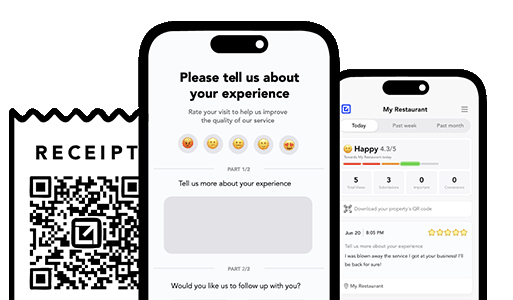
You can absolutely start this with a spreadsheet and your phone. The problem is the one job you forget to text is usually the one that becomes a review, and when you are solo and booked, the follow-up is the first thing that slips. That is where automating it earns its keep. Tools like VisibleFeedback send the next-day text for you after every job, route the unhappy replies to you as an instant alert so nothing sits, and send the review link only to the customers who said they are happy. It intercepts the dissatisfaction privately before it ever turns into a public 1-star.
VisibleFeedback was built to catch issues before they show up on Google, Yelp, or Nextdoor, which matters more for a mobile mechanic than almost any other trade, because you have no storefront to fall back on. It also runs the recurring reminders below on autopilot, so your repeat work happens whether or not you remember to send a text between jobs. And it does it without the enterprise price tag, starting at $65 a month with no contract, which fits a one-truck operation a lot better than the $299-plus platforms built for franchises.
Automate follow ups after every job
Catch issues early and drive repeat work with smart reminders.
Reviews protect your reputation. Repeat work and referrals keep your week booked. And a mobile mechanic has a quietly great recurring setup, because every car you touch needs you again, and you are more convenient than the shop the customer has to drive to and wait at.
Here is where the recurring money actually lives:
The maintenance clock. Every oil change you do is a timer. Set a reminder for the mileage or the month it is next due and you book it before the customer calls a competitor or lets it slide. Same with brake inspections, timing belts, and fluid flushes.
Seasonal swings. Batteries die in the first cold snap. AC systems fail in the first heat wave. A short “winter is coming, want me to test your battery in the driveway?” text in October lands because you are offering to save them a breakdown, not sell them something.
Fleet and gig accounts. Rideshare drivers, delivery drivers, and small contractors with a couple of work trucks are gold for a mobile mechanic, because downtime costs them money and you keep them on the road without a shop visit. One happy gig driver becomes a standing account and a dozen referrals in their driver group chat.
The referral you already earned. The neighbor who watched you work in the driveway is the warmest lead you will ever get. A simple “know anyone who’d rather not sit at a shop? Send them my way” after a 5-star reply turns one job into two.
How soon should I ask a mobile mechanic customer for a review? Only after they tell you the car is running right. Send the first check-in on the timeline above, wait for an “all good,” then send the review request with your direct link within a few minutes while they are still happy. Asking before you confirm the fix is how good work earns a bad review.
What if the customer replies that it is still broken? Treat it as urgent and own it. Apologize once, offer two specific return times, and tell them you will bring the likely parts so you finish in one trip. Handled fast, a “not fixed” reply becomes one of your best reviews, because you showed up and made it right. Handled slow, it becomes your worst.
Do mobile mechanics really need reviews that badly? More than a shop does. You have no building, no signage, and no walk-in traffic, so a searcher’s entire impression of you is your rating and how recent it is. A steady flow of fresh reviews is the closest thing you have to a storefront on a busy street.
Should I text or email mobile auto customers? Text for the fast feedback loop, because you already have their number and they reply in minutes. Use email for the detailed stuff: the itemized invoice, maintenance records, and photos of the old parts. Most mobile techs do best with a text check-in plus an email receipt.
Is this worth it if I am a one-person operation? Especially then. You do not have a service writer to chase follow-ups, so the one job you forget to text is the one that bites you. Automating the check-in and the review ask means it happens on every job without you thinking about it, which is exactly where a tool like VisibleFeedback pays for itself.
Start small, then automate
Pick your next ten jobs and text each customer the day after. Sort the replies: happy drivers get your review link, everyone else gets a fast return trip before they go public. That alone will cut comebacks that turn into reviews and lift your review count in a week or two. Once you see it work, hand the sending and sorting to software so it runs on every job, even on the days you are flat out under a hood.
How can I prevent negative reviews from hurting my business? You can’t stop every unhappy customer from sharing feedback, but you can intercept it before it goes public. Tools like VisibleFeedback allow customers to scan a QR code and leave feedback privately. If the feedback is negative, you’re alerted instantly so you can resolve the issue before it turns into a 1-star review.Why are customer reviews so important for local SEO? Reviews are one of the top local ranking factors on Google. Businesses with consistent positive reviews rank higher in search results and attract more customers. By using VisibleFeedback to capture happy customer moments and guide them to Google or Yelp, you build a steady flow of authentic reviews that improve both your reputation and your local SEO.What’s the best way to collect customer feedback in 2025? Traditional methods like comment cards and long surveys don’t work anymore, customers want convenience. The easiest way to collect real-time feedback in 2025 is by using QR codes and mobile-friendly forms. VisibleFeedback makes this simple, helping you get instant insights while turning satisfied customers into 5-star reviewers.
Austin Spaeth is the founder of VisibleFeedback, a tool that helps service companies automate post-job follow-ups, catch issues early, and drive repeat work with smart reminders. With a background in software development and a focus on practical customer retention systems, Austin built VisibleFeedback to make it easy to email customers after every job, route problems to the right person, and keep relationships strong without awkward outreach. When he’s not building new features or writing playbooks for service businesses, he’s wrangling his six kids or sneaking in a beach day.
🚀 What's your goal? Get a plan ...
🚀 Start Here For Help
Whether you’re dealing with callbacks, unhappy customers, or low repeat work, we’ll help you tighten the follow up loop.