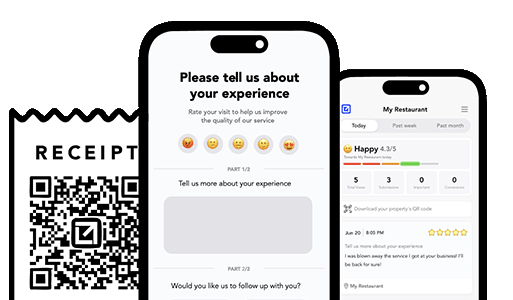
TLDR: A home care agency follow-up is a short, scheduled check-in with the family contact, and when appropriate the client, sent after care starts and then at a regular cadence. It catches a mismatch, a late shift, or a missed task privately, before an anxious adult child decides your agency is unreliable and switches without ever telling you. It routes happy families to leave a public review on Google, Caring.com, or A Place for Mom, and the same cadence keeps clients connected so they don’t quietly cut hours. Below is the timing, the exact messages, copy-paste templates, a private-first review funnel, and the reminders that keep your census full.
Why a home care agency follow-up is your cheapest marketing
In most trades, the person you served is the person who judges you. Home care is different, and that difference is the whole reason this matters. The client is an aging parent. The person who found you, vetted you, pays the invoice, and writes the review is almost always their adult child, and that child is usually anxious, often out of state, and quietly second-guessing whether they made the right call entrusting a stranger with their mom or dad. A home care agency follow-up is how you stay in that conversation on purpose instead of leaving it to a worried family member’s imagination.
Here is the pattern that costs agencies the most. A caregiver is ten minutes late twice, or misses a task on the care plan, or just isn’t the right personality fit. None of it is a disaster. But the family rarely calls to complain, because they don’t want to seem difficult, they don’t want to jeopardize the relationship with a caregiver their parent likes, and frankly they’re busy and stressed. So the concern never reaches you. Most families who leave a home care agency don’t leave because of one big failure; they leave because a series of small, unspoken worries added up to “I don’t trust them.” Then they switch, leave a review on the way out, and tell the one person whose opinion moves the most cases: the hospital discharge planner or case manager who referred them.
That is why reputation and referrals are the same muscle in this business. A person searching “home care near me” at 11pm after a parent’s fall is reading your reviews before they read anything else, and a case manager keeps a short mental list of agencies they trust to not embarrass them. One avoidable 2-star review can cost you a stream of referrals, not just one client.
What a home care agency follow-up actually is (and what it is not)
It is not a 15-question satisfaction survey. It is not a “your loved one matters to us” newsletter that lands in a promotions folder. And it is not a nurse’s clinical charting note that the family never sees.
A good home care follow-up is one short, warm message, sent to the right person at the right moment, that does two jobs at once:
gives an anxious family an easy, private way to raise a small concern, so you can fix a schedule, swap a caregiver, or re-explain the care plan before it becomes a reason to leave
gives a reassured, happy family a nudge toward a public review, at the moment they feel relief that the care is working
That’s the whole thing. The wording matters less than two disciplines: sending it to the family contact, not just the client, and sending it on a schedule, not only when a case feels shaky. The families who quietly leave are almost never the ones who called you first.
When should you send the follow-up?
Timing beats phrasing. In home care the riskiest stretch is the beginning, when a nervous family is deciding whether they trust the agency and the caregiver, and small bumps feel like evidence they chose wrong.
End of the first week (the critical check-in): the most important message you send. The first few shifts set the whole relationship. A proactive “how is everything going with [Caregiver], anything we should adjust?” catches a bad fit or a scheduling glitch while it’s still a five-minute fix.
After the first full month, then monthly (the stay-connected check-in): care drifts. Needs change, a caregiver calls out, a family wonders if the hours still make sense. A short monthly touch keeps you ahead of the quiet drift toward cutting back or leaving.
Right after a “they’ve been wonderful” reply (the review ask): this is the moment. Never bundle it with the check-in, and only send it to a family that just told you things are going well.
On the care-plan or reassessment schedule (the reminder): hospital follow-up, a scheduled reassessment, a seasonal “are the current hours still right?” note. This is the retention half most agencies leave to memory.
Send the first-week check-in two weeks late and the family has often already made up their mind. The end of week one is the sweet spot. For more on nailing the timing, here is when to send follow-ups after a job.
Automate follow ups after every job
Catch issues early and drive repeat work with smart reminders.
Keep the first-week message short, warm, and easy to reply to. You want a nervous adult child to feel invited to be honest, not interrogated.
Hi [Name], it’s [Coordinator] at [Agency]. We’re a week into care with [Client] and [Caregiver]. How is everything going from your end? Anything we should adjust, big or small? Reply here anytime, we’d rather hear it from you than guess.
Every answer is useful. “Going great” is a future review and a referral. “Actually, could they come a little earlier?” is a two-minute fix that just saved the account. “I’m not sure it’s the right fit” is the single most valuable message you can get, because now you can offer a caregiver swap instead of losing the client to the agency down the road.
The private-first review funnel
The reason this works isn’t that you’re gaming reviews. You’re not filtering anyone or hiding complaints, which would run afoul of the FTC’s rules on fake and suppressed reviews anyway. You’re giving every family a private channel first, and only pointing them to a public review after they’ve told you the care is going well. Worried families get a fast fix or a caregiver swap. Happy families get a one-tap link to the place future families actually look. Everyone gets heard, and nobody is surprised into posting.
Make the review one tap. Send the direct link, not “search for us on Google,” and point families to the platforms other families actually read for care decisions. If you want to go deeper, here’s how to get more Google reviews for your service business without begging, and when a hard one does slip through, how to respond to bad reviews so your reply reassures the next anxious family comparing agencies.
Agency with a follow-up vs. agency without one
Two agencies, same caregivers, same care plans. The only difference is whether anyone stays in touch with the family after the first shift.
Situation
Without a follow-up
With a home care follow-up
Caregiver is late twice in week one
Family decides you’re unreliable, says nothing
Family replies, you fix the schedule, trust holds
The caregiver personality isn’t a fit
Client quietly dreads shifts, family switches
Family tells you, you swap caregivers, keep the case
A task on the care plan gets missed
“They don’t do what we agreed,” posted on Google
Family mentions it privately, you correct it same day
Care has been going beautifully
Grateful family never writes a review
Family replies “wonderful,” you ask, you get the 5-star
Family wonders if hours still make sense
They cut hours or cancel to feel in control
Monthly check-in reassures or right-sizes the plan
A discharge planner asks for a recommendation
They remember your name from a bad review
They send you the next case because families thank them
You learn about a problem
When the review posts or the client leaves
The same week, privately, while it’s fixable
Same caregivers, same care, very different reputation and a very different census. The follow-up is the cheapest reputation insurance a home care agency can buy.
Copy-paste home care follow-up templates
Steal these, swap in your names, and send them on a schedule. Short and warm beats long and formal. Adjust anything to your own care protocols and compliance rules, and send to the authorized family contact on file.
When
Channel
Message
End of the first week
Text or email
Hi [Name], it’s [Coordinator] at [Agency]. We’re a week in with [Client] and [Caregiver]. How is everything going from your end? Anything we should adjust, big or small? We’d rather hear it from you than guess.
If they raise a concern
Text or call
Thank you for telling me, that’s exactly what I want to know. Here’s what I’ll do: [specific fix or caregiver options]. I’ll follow up by [day] to make sure it’s right.
If they say it’s going well
Text
So glad to hear it, [Name], that means a lot. When you have a moment, a short review really helps other families find care they can trust for their parent: [direct link]. Thank you.
Monthly check-in
Text or email
Hi [Name], just checking in on how things are going with [Client]’s care this month. Anything changing on your end, or anything we can do better? Always happy to adjust.
Reassessment or hours review
Text or call
Hi [Name], it’s been a few months and needs can shift. Want to do a quick review of [Client]’s schedule to make sure the hours and tasks still fit? No pressure either way.
Reactivation (reduced or paused)
Text
Hi [Name], thinking of you and [Client]. If things have gotten harder to manage lately, we have availability and would love to help again. Reply anytime and I’ll set it up.
The first-week check-in is the one that protects you. The review ask is the one that grows you. The monthly and reassessment reminders are the ones that keep your census full. You need all of them, but if you only ever do one, do the first-week check-in with the family.
Retention and referrals: the half most agencies skip
Reviews protect your reputation. Retention and referrals keep the lights on, and in home care they’re tightly linked. Clients rarely churn in one dramatic moment; they drift. The family feels a little out of the loop, needs change without anyone revisiting the plan, a caregiver turns over and the replacement never quite clicks, and one month the family decides to “try managing on our own for a while.” A regular check-in is how you catch that drift while there’s still a relationship to save.
Referrals work the same way. The cases that keep an agency full come from hospital discharge planners, case managers, senior living communities, and other families, and every one of those sources is really asking “will this agency make me look good?” A family you’ve stayed close to, whose small concerns you handled quickly, is the family who tells the discharge planner you were great, and who answers the phone when a neighbor asks who they used.
This is where the follow-up and the reminder become one system. The same channel that caught a first-week scheduling worry can keep a family connected month to month and win back the ones who reduced hours. Tools like VisibleFeedback intercept dissatisfaction before it turns into churn, and send those recurring check-ins and reactivation reminders automatically, so your coordinators aren’t hand-tracking dozens of family relationships on sticky notes. There’s more on the mechanics in turning one-time customers into repeat work without spam, in the reminder revenue playbook, and in win-back campaigns for lapsed customers.
A simple response workflow so follow-ups don’t overload your coordinators
If you send check-ins, someone has to handle the replies fast, or you’ve built a machine for reminding anxious families about the thing that worried them. In home care the routing is straightforward, but it has to be same-day, because a family’s doubt compounds overnight.
Statuses: New, Triaged, In progress, Resolved, Confirmed
Rule one: anything about safety, a fall, a medication question, or a possible missed visit routes to the care coordinator or on-call nurse immediately, not the end of the day
Rule two: schedule, billing, and caregiver-fit concerns route to the scheduler or coordinator with a same-day reply and a clear “here’s what I’ll do”
Rule three: offer a caregiver swap early and without defensiveness; keeping the client matters more than being right about the fit
Rule four: confirm after you’ve handled it, so the family hears “that’s taken care of” from your team before they ever consider posting or switching
That’s the whole system. In a business where one anxious family and one bad review can steer both the next searching family and your referral sources elsewhere, a same-day reply is the best time your coordinators will spend. For the recovery script itself, see how to handle unhappy customers fast, and for the broader playbook, customer retention strategies that actually work.
Where VisibleFeedback fits
You can absolutely run this by hand with a spreadsheet and your phone, and you should start today if that’s all you have. It works because the habit works, not because the tool is fancy.
The reason busy agencies automate it is volume and timing. Once you’re staffing dozens of clients across a rotating roster of caregivers, remembering to text each family at the end of week one, check in monthly, only ask the happy ones for a review, route a safety concern to the on-call nurse the same day, and circle back on reassessments becomes its own full-time job, and it’s the first thing that slips when you’re scrambling to cover a call-out. VisibleFeedback runs it on autopilot: it sends the first-week and monthly check-ins on your schedule, routes any concern straight to the right coordinator before it becomes a bad review, points happy families to your review links, and fires the reassessment and reactivation reminders automatically. VisibleFeedback was built to catch issues before they show up on Yelp or Google. It starts at $65 a month with no contract, versus the $299 to $699 the big reputation platforms charge, which matters when you’re a local agency, not a national franchise.
A quick home care agency follow-up checklist
Send a check-in to the family contact at the end of week one, every time
Lead with an open invitation: “anything we should adjust, big or small?”
Route safety or medication concerns to the coordinator or nurse same-day
Offer a caregiver swap early, without defensiveness, to keep the client
Send a short check-in monthly to stay ahead of the quiet drift
Ask only families who told you it’s going well for a review
Send the direct review link, and point to Caring.com and A Place for Mom too
Set reassessment reminders so hours and tasks stay right-sized
Reactivate clients who reduced or paused with a warm, no-pressure note
Confirm every concern is handled before the family decides whether to post
FAQ
What is a home care agency follow-up? It’s a short, scheduled message to the family contact (and when appropriate the client) after care begins and then at a regular cadence. It catches a mismatch, a schedule glitch, or a missed task privately so you can fix it before it becomes a public review or a lost client, and it routes happy families toward leaving a review. Paired with reassessment and reactivation reminders, it also reduces churn and protects your referral sources.
Who should I send it to, the client or the family? Usually the authorized family contact, since they typically arranged the care, pay the invoice, and write the review. Where the client is able and willing to give feedback directly, include them too. The key is reaching whoever actually decides whether to continue service.
When should I send the first one? At the end of the first week. The first few shifts set the entire relationship, and that’s when a nervous family is most likely to quietly decide the agency isn’t a fit. Then check in monthly, ask for reviews only from happy families, and send reassessment reminders on each client’s schedule.
Won’t families find the messages annoying? Not if you keep them short, warm, and infrequent. One first-week check-in and a brief monthly touch reads as an agency that genuinely pays attention, which is exactly what an anxious family wants. What annoys people is a long survey. What costs you is silence during the weeks a family is quietly deciding whether to trust you.
How do home care agencies get more reviews without being pushy? Only ask families who already told you the care is going well, ask once, make it one tap with a direct link, and point them to the platforms other families read for care decisions, like Google, Caring.com, and A Place for Mom. Here’s the longer version on getting more Google reviews.
The bottom line
Your agency’s reputation isn’t decided on the first shift, when the caregiver shows up and the care plan is in place. It’s decided over the following weeks, in a quiet conversation an anxious adult child is having with themselves about whether they can trust you with their parent, a conversation you’re usually not part of. A short, scheduled check-in puts you back in it: you catch the small worries before they harden into a switch and a review, you turn the reassured families into the reviews and referrals that bring the next family through your door, and you keep clients on service because they feel genuinely looked after.
Start with the templates above and one habit: message every family at the end of the first week. If you’d rather it run itself for every client, start a free 14-day trial of VisibleFeedback, no credit card required.
Automate follow ups after every job
Catch issues early and drive repeat work with smart reminders.
How can I prevent negative reviews from hurting my business? You can’t stop every unhappy customer from sharing feedback, but you can intercept it before it goes public. Tools like VisibleFeedback allow customers to scan a QR code and leave feedback privately. If the feedback is negative, you’re alerted instantly so you can resolve the issue before it turns into a 1-star review.Why are customer reviews so important for local SEO? Reviews are one of the top local ranking factors on Google. Businesses with consistent positive reviews rank higher in search results and attract more customers. By using VisibleFeedback to capture happy customer moments and guide them to Google or Yelp, you build a steady flow of authentic reviews that improve both your reputation and your local SEO.What’s the best way to collect customer feedback in 2025? Traditional methods like comment cards and long surveys don’t work anymore, customers want convenience. The easiest way to collect real-time feedback in 2025 is by using QR codes and mobile-friendly forms. VisibleFeedback makes this simple, helping you get instant insights while turning satisfied customers into 5-star reviewers.How does feedback help improve retention? Feedback reveals what keeps customers loyal and what drives them away. VisibleFeedback helps you act on insights before customers churn.What’s the link between customer experience and retention? Positive experiences lead to repeat business. Using tools like VisibleFeedback ensures you consistently deliver great experiences by resolving issues early.Why should businesses prioritize retention over acquisition? Retaining customers is cheaper and more profitable than finding new ones. VisibleFeedback helps strengthen retention by keeping customers satisfied.
Austin Spaeth is the founder of VisibleFeedback, a tool that helps service companies automate post-job follow-ups, catch issues early, and drive repeat work with smart reminders. With a background in software development and a focus on practical customer retention systems, Austin built VisibleFeedback to make it easy to email customers after every job, route problems to the right person, and keep relationships strong without awkward outreach. When he’s not building new features or writing playbooks for service businesses, he’s wrangling his six kids or sneaking in a beach day.
🚀 What's your goal? Get a plan ...
🚀 Start Here For Help
Whether you’re dealing with callbacks, unhappy customers, or low repeat work, we’ll help you tighten the follow up loop.