TLDR: A pool builder follow-up is a short, scheduled check-in at each phase of a pool build, from excavation to gunite to startup and the first month of swimming, that catches a worried or frustrated homeowner privately before it becomes a public review or a payment dispute. It also routes your happy owners toward a Google review, a referral, and a recurring service or maintenance plan. Below is the phase-by-phase timing, the exact messages, copy-paste templates, a startup process that ends in a signed-off “we’re done,” and a private-first review funnel.
Why a pool builder follow-up is your cheapest reputation insurance
Most trades are in and out in a day. A pool build is not. An inground pool runs for weeks or months, tears up a family’s entire backyard, and costs more than the car in their driveway. That length is the whole problem. The most common reason a beautiful pool turns into a bad review is not the gunite or the tile, it is the silence during the delays and a startup week the homeowner was never walked through.
A pool builder follow-up is what keeps you in the conversation across all those weeks. Picture the homeowner a month in. The yard is a mud pit, the dig passed inspection two weeks ago, and the crew that was here every morning hasn’t been back in eight days because you’re waiting on the plaster sub. Nobody told them why. In that homeowner’s head, “we’re in the plaster queue” quietly becomes “they took my deposit and vanished,” and that story writes itself straight onto Google.
Then comes startup, which is its own trap. The water is cloudy, maybe tinged green, the plaster is kicking up dust, and the chemistry is still settling. To you that is a textbook first week. To an owner who just spent sixty grand, it looks like a disaster. A pool is one of the most review-driven, trust-fragile purchases a household makes, and one 1-star from a job that was actually built right can cost you the next three prospects reading your reviews. A two-line text at each phase costs you nothing and protects the most valuable thing you own, which is your name in a market where every backyard pool is a billboard.
What a pool builder follow-up actually is (and what it is not)
It is not a 20-question satisfaction survey nobody fills out. It is not a monthly “see our latest builds” newsletter that dies in a promotions folder. And it is not three review requests fired off the day the water finishes filling, before the owner has even swum once.
A good pool builder follow-up is one short, human message at each key phase that does two jobs at once:
gives a worried or frustrated homeowner a private, easy way to tell you something feels off, so you can explain a delay or catch a real problem before it hardens into a review
gives a satisfied owner a natural nudge toward a public review, a referral, and your service plan, at the moment the backyard is finished and the kids are finally in the water
That is the whole thing. On a job this long, the timing and the discipline of sending one at every phase matter far more than clever wording. The gaps are where reputations are lost. The first swim is where they are won.
When should a pool builder send the follow-up?
Timing beats phrasing, and a pool build has several moments that matter. Map a check-in to each phase, because each one has its own way of going sideways.
Phase
When
What the check-in does
Excavation complete
End of dig day
Sets the tone, confirms the shape and layout match the plan before anything is permanent
Gunite shot
After the shell goes in
Explains the cure and the watering schedule, so a rough-looking shell doesn’t read as a defect
Tile, coping, deck
As finishes go on
Keeps them excited, confirms colors and layout before it’s set
Delay you saw coming
The moment you know
Gets ahead of the story so a slip reads as honesty, not disappearing
Startup week
Day the water goes in
Walks them through cloudy water, dust, and daily brushing so normal doesn’t look like failure
Punch list cleared
Every item signed off
The natural, earned moment to ask for a review
30 days of swimming
After they’ve used it
Catches equipment and warranty items early, opens the door to a service plan
The two everybody skips are the delay heads-up and the startup walkthrough. Those are the exact phases where a good build quietly turns into a bad review, so those are the two to nail first. For a broader look at timing across job types, see when to send follow-ups after a job.
Copy-paste pool builder follow-up templates
Keep them short, name the specific project, and make it effortless to reply. Text works best for the quick ones; email is fine for the startup recap and the warranty note.
Dig day, end of excavation (SMS):
Hi [Name], the excavation for your pool wrapped today and the shape is in the ground right where we laid it out. Steel and plumbing are next. It’s going to look like a muddy jobsite for a bit, all normal. Anything look off from what we planned? Reply here anytime, it comes straight to me. [Your name]
Gunite shot, explain the cure (SMS):
Good news [Name], we shot the gunite today, so the shell of your pool is officially in. For the next week it’ll look rough and we’ll be watering it down daily, that’s the curing process doing its job and it’s supposed to look that way. Questions? Just reply.
Delay heads-up (SMS), send the minute you know:
Heads up [Name]: the plaster crew pushed us to [date], so we’re about [a week] out on that step. Everything else is on track and prepped. I wanted you to hear it from me, not wonder where we went. Call or text me with any concerns.
Startup week (Email):
Subject: Water’s going in, here’s what week one looks like
Hi [Name], we’re filling your pool and starting it up this week, congratulations. A heads-up so nothing surprises you: the water may look cloudy or a little hazy for the first several days, and you’ll see fine plaster dust settle. That’s expected while the plaster cures and the chemistry balances. We’ll be by to brush and adjust, and you may be asked to brush daily for the first couple of weeks. If anything worries you, reply here or call me directly at [number] and I’ll walk you through it.
Startup walkthrough / punch list (Email):
Subject: Let’s walk your pool and build the punch list
Hi [Name], your pool is swimmable and I’d like to walk it with you so we build the punch list together, equipment, finishes, decking, anything at all. Every item goes on the list with an owner and a date, and we don’t call the project done until you sign off. When works this week?
Review request, only after the punch list is signed off (SMS):
[Name], it was a pleasure building your pool and I’m so glad the family’s enjoying it. If you have two minutes, an honest Google review helps a local builder like us more than you’d guess: [Review Link]. Thank you.
30 days of swimming (SMS):
Hi [Name], you’ve had a month in the new pool, how’s it running? Anything with the pump, heater, or finish you’d want us to look at under warranty? Happy to swing by. And if you’d like us to keep it crystal clear, ask me about our maintenance plan, we’d love to keep taking care of it.
The startup walkthrough is where pool builds win or lose
Ask any builder about their worst reviews and payment fights, and most trace to the same place: startup week and the punch list that follows. The owner sees cloudy water, a skimmer lid that doesn’t fit, and a return fitting that whistles, assumes the whole project is unraveling, and holds the final draw hostage. You see a normal first week and a few tiny items and assume everyone knows you’ll circle back. Nobody wrote it down, nobody owns it, and the gap turns into a standoff.
Fix it with a process, not good intentions:
Narrate startup before it happens. Tell them cloudy water and plaster dust are normal and for how long. An owner who was warned stays calm; an owner who wasn’t reaches for Google.
Build the punch list together at the walkthrough. Invite the nitpicks on purpose. A list you made together feels like partnership; a list they made alone after you left feels like a complaint.
Give every item one owner and a due date. “Plaster tech, Thursday” beats “someone will swap that lid.” An item with no name is an item nobody does.
Get an explicit sign-off when the last item clears. “Everything on your list is done, are you good to call this complete?” That single yes is what protects your final payment and your review.
This is not review gating, and it is not hiding bad feedback. Everyone gets the same honest question. The difference is that the worried owner gets a real human and a fast answer instead of a “leave us a review” link, and the happy owner gets a nudge they were glad to act on. You are not suppressing the negative, you are resolving it before it becomes a review. For the full walkthrough on doing this the right way, see how to get more Google reviews for your service business.
What good follow-up looks like versus going quiet
Moment
Without a follow-up
With a phase check-in
Eight-day gap waiting on plaster
Owner assumes you disappeared, posts a 1-star
They got your heads-up, they wait calmly
Cloudy water on startup day
“They botched my pool,” public review that night
They were warned it’s normal, they relax
Skimmer lid doesn’t fit
Final draw held hostage, standoff
It’s on the punch list with an owner and a date
Happy owner, build went great
Says nothing, you get no review
Replies “we love it,” you send the link, you get a 5-star
Pump question a month in
Confusion turns into a warranty fight
You answer it fast, maybe sell a service plan
Neighbor asks who built it
They half-remember your name
Your referral text is still in their phone
The pattern is the same every row: the follow-up moves the conversation from a public rating back to a private message you can actually do something about.
The pool builder follow-up checklist
Run this on every build and the rest takes care of itself:
Log every owner’s cell and email at contract signing, not at startup.
Send a short check-in at each phase: dig, gunite, finishes, startup.
Send the delay heads-up the minute you know, before they notice the quiet.
Narrate startup week in writing: cloudy water and dust are normal, here’s for how long.
Build the punch list together at the walkthrough, one owner and a due date per item.
Route “something’s wrong” straight to the owner or project lead, with a same-day reply.
Get an explicit sign-off before you call the job complete.
Send happy owners a direct review link once the punch list clears.
Follow up at 30 days with a warranty check and an offer for a maintenance plan.
Respond to every public review, good or bad, in your own voice.
How to handle a concern before it becomes a review
Most pool reviews that start with cloudy water or a wrong part are not really about the water or the part. They are about the silence after. An owner who flags something and gets a same-day “I see it, here’s what’s happening and when we’ll fix it” almost never posts a 1-star, because you showed up. An owner who gets voicemail for three days posts out of pure frustration.
So when the follow-up surfaces a problem, speed beats perfection. Acknowledge it fast, explain what’s normal versus what you’ll fix, and tell them exactly what happens next and when. This is the same fifteen-minute recovery habit that works across every trade, and we broke it down step by step in how to handle unhappy customers fast.
Where VisibleFeedback fits
You can absolutely run all of this with a shared spreadsheet and a texting app, and plenty of good builders do. The trouble is that a pool build has six or seven touchpoints spread across months, and the one that gets forgotten during a busy build season is almost always the delay heads-up or the startup walkthrough, the two that matter most. Follow-up is a discipline problem, and discipline is exactly what breaks when you’re digging one yard, pouring another, and quoting three more.
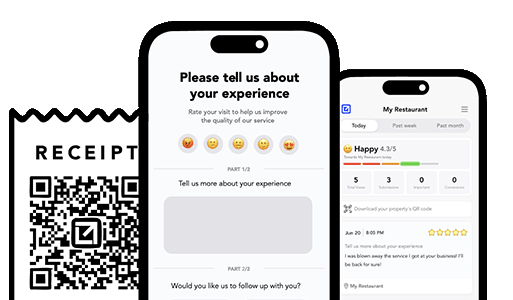
That is the gap tools like VisibleFeedback are built to close. It sends the phase-based texts and emails on schedule under your business name, and when a homeowner replies that something is off, you get an instant alert and the issue routes to the right person, your project manager, your startup tech, or you, with a status you can track until it’s resolved. Instead of hoping a worried owner calls before they post, tools like VisibleFeedback intercept the frustration privately and let you fix it first. VisibleFeedback was built to catch issues before they show up on Yelp or Google, and to steer the happy owners toward a public review at the same time.
It also keeps the retention loop turning after the water goes in. A pool owner is a repeat customer waiting to happen, maintenance, a heater upgrade, a resurface down the road, so a recurring seasonal reminder keeps you top of mind and turns one build into years of service revenue and referrals. And because it runs from $65 a month with no contract, it fits a builder’s budget rather than the $299 to $699 a month the big reputation platforms charge. If recurring revenue is your aim after the build, our guide to pool service follow-ups that drive recurring revenue pairs well with this one.
Automate follow ups after every job
Catch issues early and drive repeat work with smart reminders.
How soon after a pool build should I ask for a review? After the punch list is signed off and the family has actually swum, not before. Asking during startup, while the water is still cloudy and items are open, is asking to get cooked publicly. Once the last item clears and the owner has confirmed they’re happy, that day or the next is ideal, while the new-pool excitement is still high.
What if a homeowner is upset about a delay that wasn’t my fault? Own the communication even when you can’t own the delay. A plaster crew’s backlog or a rained-out week isn’t your fault, but the homeowner hearing about it from a sub instead of from you is. Send the heads-up the minute you know, explain what slipped and by how long, and confirm everything else is still on track. A delay you got ahead of reads as honesty; a delay they discovered reads as disappearing.
How do I stop startup week from generating bad reviews? Narrate it before it happens. Tell the owner in writing that cloudy water, plaster dust, and daily brushing are normal and for roughly how long. Most startup-week panic is just an uninformed owner staring at something that looks wrong but isn’t. A two-minute heads-up turns a potential 1-star into a non-event.
Does following up really reduce bad reviews, or just move them? It moves the unhappy ones off the public page and into a private message you can resolve, which is the point. A concern answered by text the same day rarely becomes a review at all. Meanwhile you collect more 5-star reviews from the happy owners who would otherwise have said nothing, so your overall rating climbs.
Is this just for big pool companies? No, it’s most valuable for small and mid-size builders. A single bad review hits a local builder harder than a regional brand, and small crews are the ones most likely to skip the follow-up during a packed build season. A simple phase-by-phase text levels the field.
The bottom line
Pool reviews are about owner confidence, not just construction. You already build the pool right. What turns a great build into a great review is being present across the months between the deposit and the first swim, getting ahead of the delays, narrating startup so normal doesn’t look like failure, and running a punch list that ends in a clear “we’re done.” Do that and you’ll get fewer disputes over the final draw, fewer anxiety-driven reviews, and more referrals and service plans from owners who felt looked after the whole way through.
Set the phase check-ins up once, keep the punch list honest, and let the finished backyards sell the next build. If you’d rather it go out on its own every time, even in the middle of a brutal build season, start a free 14-day trial of VisibleFeedback, no credit card required.
Share with
Turn Jobs Into Repeat Work
Email clients after every job. Catch issues early, recover unhappy clients fast, and drive repeat work with smart reminders.
How can I prevent negative reviews from hurting my business? You can’t stop every unhappy customer from sharing feedback, but you can intercept it before it goes public. Tools like VisibleFeedback allow customers to scan a QR code and leave feedback privately. If the feedback is negative, you’re alerted instantly so you can resolve the issue before it turns into a 1-star review.Why are customer reviews so important for local SEO? Reviews are one of the top local ranking factors on Google. Businesses with consistent positive reviews rank higher in search results and attract more customers. By using VisibleFeedback to capture happy customer moments and guide them to Google or Yelp, you build a steady flow of authentic reviews that improve both your reputation and your local SEO.What’s the best way to collect customer feedback in 2025? Traditional methods like comment cards and long surveys don’t work anymore, customers want convenience. The easiest way to collect real-time feedback in 2025 is by using QR codes and mobile-friendly forms. VisibleFeedback makes this simple, helping you get instant insights while turning satisfied customers into 5-star reviewers.
Austin Spaeth is the founder of VisibleFeedback, a tool that helps service companies automate post-job follow-ups, catch issues early, and drive repeat work with smart reminders. With a background in software development and a focus on practical customer retention systems, Austin built VisibleFeedback to make it easy to email customers after every job, route problems to the right person, and keep relationships strong without awkward outreach. When he’s not building new features or writing playbooks for service businesses, he’s wrangling his six kids or sneaking in a beach day.
🚀 What's your goal? Get a plan ...
🚀 Start Here For Help
Whether you’re dealing with callbacks, unhappy customers, or low repeat work, we’ll help you tighten the follow up loop.