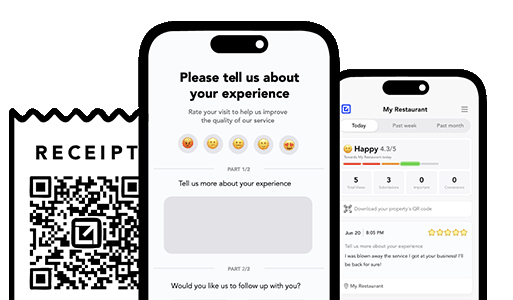
TLDR: An auto detailing follow-up is a short check-in you send the day after the job, once the customer has driven the car in direct sunlight where any swirl marks, water spots, or missed areas would show. It catches those gripes privately, before they become a 3-star review, and it routes your happy clients to leave a public review while the finish still looks incredible. Add a maintenance reminder before the detail wears off and a referral ask when they are thrilled, and the same system that protects your reputation also keeps your bays full. Below is the timing, the exact messages, copy-paste templates, a private-first review funnel, and the recurring-work loop that turns one detail into a standing client.
Why the auto detailing follow-up is your best reputation insurance
Auto detailing has a lighting problem that most trades don’t share. Under the shade of your shop or the soft light of a portable canopy, the car looks flawless. The paint is glossy, the glass is clear, the interior smells new, and the customer is grinning when you hand back the keys. Everyone is happy. That is exactly the moment the trap is set, because the flaws in a detail don’t show under shop lights and shade. They show the next morning, when the customer parks in an open lot and the sun rakes across the hood.
An auto detailing follow-up is the message that keeps you in the conversation during that gap. In direct sun, buffer swirls and holograms from a rushed polishing pass suddenly web across the clear coat. Water spots that dried on the glass and mirrors show up as a haze. A door jamb you skipped, a bit of dressing slung onto a door panel, a streak on the inside of the windshield, a missed crumb under the seat rail, all of it becomes obvious in daylight the moment the customer is looking closely. The single most common bad detailing review is not “they damaged my car,” it is “looked amazing at the shop, but the next sunny day it was covered in swirl marks and water spots and they wouldn’t make it right.” Left alone, that small, fixable thing hardens into a public star, because by the time the customer sees it in the sun, their car is in their own driveway and the only outlet they have is Google.
What an auto detailing follow-up actually is (and what it is not)
It is not a survey. It is not a “thanks for choosing us” email that lands in a promotions folder. And it is not you calling three times to confirm the card went through.
A good auto detailing follow-up is one short, plain message, sent at the right moment, that does two jobs at once:
gives a client who spotted a swirl or a missed area a private, easy way to flag it so you can get the car back and touch it up before they post
gives a happy client a nudge toward a public review, right when the finish still looks incredible
That is the whole thing. The wording barely matters. What matters is the timing and the discipline of sending it after every single job, not just the ones where you handed back the keys feeling great. The details you feel unsure about are usually fine. The surprise reviews come from the cars you thought looked perfect under the shop lights.
When should you send the auto detailing follow-up?
Timing beats phrasing, and detailing is unusual because the perfect send time is not while the customer is standing in your shaded bay. The car has to see direct sunlight, and the customer has to look at it closely, before any swirls, water spots, or missed areas reveal themselves. That is the sunlight test, and it usually happens the next morning when they park at work or in the driveway.
The next day: the main check-in. Long enough that the car has been out in the sun and the customer has really looked at it, short enough that you are still fresh in their mind and getting the car back for a touch-up is an easy yes.
After the touch-up is done, or right away if it passed the sun: the review ask. Never bundle it with the check-in, and never send it to someone who just told you the hood has swirls.
On the maintenance cycle, usually every few weeks to a few months, and after any referral: the reminder to past clients before the finish wears off, and a thank-you plus referral ask to anyone who sends you a car.
Send the check-in while the customer is still in your bay and there is nothing to react to yet, it all looks flawless. Send it two weeks late and they have already lived with the swirled hood, decided you were a “quick buff and go” shop that would not stand behind the work, and posted about it. For more on nailing the timing, here is when to send follow-ups after a job.
Automate follow ups after every job
Catch issues early and drive repeat work with smart reminders.
Keep them short and human. Here is a copy-paste set you can adapt to your shop’s voice. Swap the reply keywords for whatever your texting setup uses.
When
Channel
Message
Next day
Text
Hi [Name], it’s [Company]. Now that you’ve had the car out in the sun, is the paint and glass looking clean to you, or is there a spot you’d like me to touch up? Reply 1 looks incredible, 2 one thing to fix, 3 please call me.
Same, longer version
Email
Hi [Name], thanks again for trusting [Company] with your [vehicle]. Now that you’ve driven it in daylight, we wanted to check in. Sometimes a swirl, a water spot on the glass, or a spot we could sharpen up only shows once the car is out in full sun, and we would much rather get it back and make it right than have you live with it. Is everything looking the way you hoped, or is there anything you’d like us to touch up? Just reply and we’ll take care of it.
After a “looks incredible” reply
Text
So glad it’s looking great in the sun, [Name]. Quick favor: would you mind leaving us a short review? It genuinely helps other car owners find us. Here’s the direct link: [review link]. Thank you!
Maintenance reminder
Text
Hi [Name], it’s [Company]. It’s about that time again, the finish picks up dust, bugs, and water spots over a few weeks. Want to get [vehicle] back on the schedule for a maintenance wash before it needs a full detail again? Happy to lock in a spot.
After a referral
Text
[Name], thank you so much for sending [Referred Name] our way. It means a lot, and we’ll take great care of their car.
The check-in is the one that protects you. The review ask is the one that grows you. The maintenance reminder is the one that keeps you busy. You need all three, but if you only ever do one, do the check-in.
The private-first review funnel
The reason this works is not that you are gaming reviews. You are not filtering anyone or hiding complaints. You are giving every client a private channel first, and simply asking for a public review only after they have told you they are happy. Unhappy clients get a fix. Happy clients get a link. Everyone gets heard.
Repeat clients and referrals: the half most detailers leave on the table
Reviews protect your reputation. Maintenance work and referrals keep your bays full. And detailing has one of the best recurring setups in the trades, if you actually work it, because no detail lasts forever and every car you touch needs you again.
The maintenance cycle. A fresh detail starts collecting dust, bugs, bird droppings, and water spots within a few weeks. A maintenance wash every two to four weeks, a bigger detail each season, and a decon wash on coated cars a couple of times a year are all standing revenue. A reminder before the car looks rough again puts you first, before the customer books a stranger or hits the tunnel wash that swirled their paint in the first place.
The upsell you already earned. You did the exterior and a basic interior this time. Paint correction, a ceramic coating, headlight restoration, an engine bay detail, leather conditioning, an ozone treatment, and paint protection film are all still on the menu. The client who just watched their paint go glassy is the easiest upsell you will ever get.
Referrals from happy clients. A detailed car is rolling advertising. It gets noticed in the office lot, at the gym, in the school pickup line, and the owner is proud to say who did it. A happy client will hand out your name gladly, if you ask while the paint still gleams, and a before-and-after photo they can share does half the work for you.
Recurring fleet and dealer accounts. Dealership lots, exotic and collector owners, rideshare drivers, and small business fleets need regular detailing on a set cadence, and they only re-book detailers who are consistent and easy to reach. One standing fleet or dealer account can anchor whole days and be worth more than a month of one-off retail cars.
The mistake is leaving all of that to memory. You mean to circle back about the coating and the next maintenance wash, and then next week’s cars swallow the day. A single well-timed maintenance reminder can be worth more than the detail that earned it, because it does not end with one car, it starts a stream. This is where the follow-up and the reminder become one system: the same channel that caught a swirl after the job can nudge a happy client to refer a coworker or book the seasonal detail. Tools like VisibleFeedback intercept dissatisfaction before it turns into churn, and send those maintenance and referral reminders automatically, so you are not the one setting calendar alarms for every car you detailed last month. There is more on the mechanics in turning one-time customers into repeat work without spam and in the reminder revenue playbook.
A simple response workflow so follow-ups don’t create chaos
If you send check-ins, you have to handle the replies fast, or you have just built a machine for reminding people about the swirl they were about to forget. Keep it to five states and two rules.
Statuses: New -> Acknowledged -> Scheduled -> Fixed -> Confirmed
Rule one: every “2 one thing to fix” or “3 please call me” reply gets an owner and a callback the same day, not the end of the week
Rule two: confirm after the touch-up, so the client hears “handled” from you before they ever decide whether to post
That is the whole system. On a trade where a single swirled hood can cost you a 3-star and the next three car owners who read it, a same-day callback and a twenty-minute redo is the best half hour you will spend all week. For the recovery script itself, see how to handle unhappy customers fast.
Where VisibleFeedback fits
You can absolutely run this by hand with a notes app and a texting app, and you should start today if that is all you have. It works because the habit works, not because the tool is fancy.
The reason detailing shops automate it is timing and memory. When you are turning several cars a day, remembering to text each client exactly the next day, only asking the happy ones for a review, routing every touch-up reply to someone who will actually get the car back, and circling around a few weeks later for the maintenance wash becomes its own full-time job, and it is exactly the job that slips when you are heads-down on a correction. VisibleFeedback runs it on autopilot: it sends the post-job check-in on your schedule, routes any swirl-or-water-spot reply straight to you before it goes public, points happy clients to a review, and fires the maintenance and referral reminders automatically. VisibleFeedback was built to catch issues before they show up on Yelp or Google. It starts at $65 a month with no contract, versus the $299 to $699 the big reputation platforms charge, which matters when you are running a single bay or a mobile rig, not a national franchise.
A quick auto detailing follow-up checklist
Send a check-in after every job, the next day once the client has seen the car in the sun
Keep it to one tap: 1 looks incredible / 2 one thing to fix / 3 please call me
Route “one thing to fix” replies to a same-day callback and a touch-up, never to a review
Ask only happy clients for a review, after the car passes the sunlight test
Send the review link directly, not “find us on Google”
Thank and ask for a referral while the paint still gleams, and offer a before-and-after photo to share
Set a maintenance reminder on your cycle, usually every few weeks to a few months
Put dealers, fleets, and collectors on a standing recurring cadence
Do it every job, not just when you remember
FAQ
What is an auto detailing follow-up? It is a short message you send the day after each job, once the client has driven the car in daylight, to check whether everything looks clean. It catches swirl marks, water spots, and missed areas privately so you can get the car back and touch up before they become public reviews, and it routes happy clients toward leaving a review. Paired with maintenance reminders and referral asks, it also keeps new work flowing in.
When should I send the follow-up text? The next day, not while the customer is still in your shaded bay. That gives the car time to be seen in direct sunlight, where any swirls or water spots show, and gives the client time to actually look at it closely. Send the review request after they tell you it looks incredible, and set a maintenance reminder on your cycle, usually every few weeks to a few months.
Won’t clients find the texts annoying? Not if you keep them short and infrequent. One quick check-in after the job and an occasional maintenance reminder reads as a shop that stands behind its work, not spam. What annoys people is a ten-question survey or three review asks in two days. What annoys them even more is a detailer who will not make it right when the hood shows swirls in the sun.
How do detailers get more reviews without sounding pushy? Only ask the clients who already told you the car looked incredible in the sun, ask once, and make it one tap with a direct link. That is the whole trick. Here is the longer version on getting more Google reviews.
How does this help me get more work, not just protect my rating? Two ways. The check-in catches the swirl or water spot before it turns into a bad review that scares off future clients, and the maintenance and referral reminders turn happy clients into a steady source of repeat work instead of one-time cars. Fleet and dealer accounts on a set cadence are where this compounds fastest, because you are detailing cars you already have a relationship with.
The bottom line
Your detailing shop’s reputation is not decided in your shaded bay when everyone is grinning over glossy paint. It is decided the next sunny morning, when the customer parks in an open lot and sees the swirl marks across the hood or the water spots on the glass, the one thing you would have fixed in twenty minutes if anyone had told you. A single short text puts you back in that moment: you catch the small gripes before they go public, you turn the happy clients into the reviews that win the next car, and you bring them back for a maintenance wash before the finish wears off.
Start with the templates above and one habit: message every client the day after every job. If you would rather it run itself on every job, start a free 14-day trial of VisibleFeedback, no credit card required.
Automate follow ups after every job
Catch issues early and drive repeat work with smart reminders.
How can I prevent negative reviews from hurting my business? You can’t stop every unhappy customer from sharing feedback, but you can intercept it before it goes public. Tools like VisibleFeedback allow customers to scan a QR code and leave feedback privately. If the feedback is negative, you’re alerted instantly so you can resolve the issue before it turns into a 1-star review.Why are customer reviews so important for local SEO? Reviews are one of the top local ranking factors on Google. Businesses with consistent positive reviews rank higher in search results and attract more customers. By using VisibleFeedback to capture happy customer moments and guide them to Google or Yelp, you build a steady flow of authentic reviews that improve both your reputation and your local SEO.What’s the best way to collect customer feedback in 2025? Traditional methods like comment cards and long surveys don’t work anymore, customers want convenience. The easiest way to collect real-time feedback in 2025 is by using QR codes and mobile-friendly forms. VisibleFeedback makes this simple, helping you get instant insights while turning satisfied customers into 5-star reviewers.How does feedback help improve retention? Feedback reveals what keeps customers loyal and what drives them away. VisibleFeedback helps you act on insights before customers churn.What’s the link between customer experience and retention? Positive experiences lead to repeat business. Using tools like VisibleFeedback ensures you consistently deliver great experiences by resolving issues early.Why should businesses prioritize retention over acquisition? Retaining customers is cheaper and more profitable than finding new ones. VisibleFeedback helps strengthen retention by keeping customers satisfied.
Austin Spaeth is the founder of VisibleFeedback, a tool that helps service companies automate post-job follow-ups, catch issues early, and drive repeat work with smart reminders. With a background in software development and a focus on practical customer retention systems, Austin built VisibleFeedback to make it easy to email customers after every job, route problems to the right person, and keep relationships strong without awkward outreach. When he’s not building new features or writing playbooks for service businesses, he’s wrangling his six kids or sneaking in a beach day.
🚀 What's your goal? Get a plan ...
🚀 Start Here For Help
Whether you’re dealing with callbacks, unhappy customers, or low repeat work, we’ll help you tighten the follow up loop.