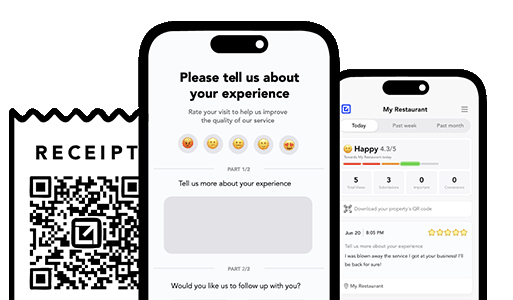
TLDR: A veterinary clinic follow-up is a short check-in you send the evening of each visit. It catches a worried pet owner privately before they post about a pet that is already back to normal, and it routes your happy clients to leave a public review. Add recall and appointment reminders timed to each pet’s vaccines, wellness exams, and dental cleanings, and the same system that protects your reputation also cuts no-shows and fills your book. Below is the timing, the exact messages, copy-paste templates, a private-first review funnel, and the reminders that get every pet back through your door.
Why the veterinary clinic follow-up is your most valuable 30 seconds
When someone hands you their pet, they are handing you a family member who cannot tell them how the appointment went. So they read the animal instead. Groggier than expected after sedation, licking at an incision, off their food that night, quieter than usual on the drive home, and a quiet worry starts to build. If your clinic is not part of that conversation, it happens entirely without you, and lately it ends in the same place: a public review, or a 9 p.m. call to your emergency line that a two-line text could have prevented.
A veterinary clinic follow-up is the 30 seconds that puts you back in that conversation. It is a short message the evening of the visit that says, in effect, “we are still here, tell us if anything feels off.” Pet care is unusually emotional and unusually review-driven: a scared owner searching “vet near me” at 11 p.m. is reading your stars before they read anything else. A single missed worry does not cost you one visit, it costs you a pet’s entire lifetime of care plus every friend and family member that owner would have referred. That is why this small habit pays for itself faster than almost anything else your front desk does.
What a veterinary clinic follow-up actually is (and what it is not)
It is not a satisfaction survey with ten questions. It is not a “we value your pet’s health” email that lands in a promotions folder. And it is not three review requests in a week that make a grieving or frazzled owner feel like a marketing target.
A good veterinary clinic follow-up is one short, warm message, sent at the right moment, that does two jobs at once:
gives a worried owner a private, easy way to tell you something feels off, so you can reassure them or catch a real problem early
gives a happy owner a nudge toward a public review, at the moment they are most grateful
That is the whole thing. The wording barely matters. What matters is the timing and the discipline of sending it after every visit, not just the ones the team felt great about. The routine vaccine appointment nobody thought twice about is often where the surprise review comes from.
When should you send the veterinary follow-up?
Timing beats phrasing. The window that decides your review is the evening and the next morning after a visit, while the owner is watching the pet closely and while anything that went sideways is still easy to fix.
The evening of the visit: the main check-in. The pet has settled at home, the owner has watched them for a few hours, sedation is wearing off, and any concern is peaking right now.
The next day, only to happy clients: the review ask. Never bundle it with the check-in, and never send it to an owner who just told you their dog will not eat.
On the medical schedule, weeks or months out: the recall and appointment reminders, timed to that specific pet’s vaccines, wellness exam, dental, or refill.
Send the check-in three days late and the worry has already curdled into a review, or worse, the owner has driven to an emergency clinic across town over something you could have talked through. The evening of the visit is the sweet spot. For more on nailing the timing, here is when to send follow-ups after a job.
Automate follow ups after every job
Catch issues early and drive repeat work with smart reminders.
Keep the first message simple. You want a reply in one tap, from someone holding a phone in one hand and a recovering pet in the other.
Hi [Name], it’s [Clinic]. How is [Pet] doing this evening after today’s visit? Reply 1 all good, 2 a little off, 3 please call me.
Every answer is useful. “All good” is a future review. “A little off” and “please call me” are a save you get to make privately, in a text or a quick callback, before it ever reaches Google or your after-hours line.
This is the whole idea behind a private-first review funnel: happy owners get pointed at Google, worried owners get pointed at you. Tools like VisibleFeedback intercept dissatisfaction before it turns into churn, so the concern lands in your team’s inbox instead of on your listing.
Clinic with a follow-up vs. clinic without one
Two practices, same medicine, same kind staff. The only difference is the message the evening of the visit.
Situation
No follow-up
With a veterinary follow-up
Dog groggy longer than owner expected after sedation
Owner assumes something went wrong, posts a 2-star
Replies “a little off,” a nurse explains recovery is normal, reassures
Cat off its food the first night
Owner panics, drives to the ER, blames your clinic
You catch it same evening, advise, save them the trip
Owner felt the estimate was never explained
Stews about the bill, warns friends online
Replies “please call me,” you walk through it, keep the trust
Visit went perfectly
Grateful owner leaves no review
Replies “all good,” you ask, you get the 5-star
Rabies booster due in 11 months
Owner forgets, pet lapses, drifts to another clinic
Gets your recall reminder, rebooks the same week
You learn about a problem
When the review posts
The same evening, privately
Same medicine, same team, very different reputation and a very different schedule. The follow-up is the cheapest reputation insurance a veterinary practice can buy.
Copy-paste veterinary follow-up templates
Steal these, swap in your names, and send them every time. Short and warm beats long and clinical. Adjust anything medical to your clinic’s protocols.
When
Channel
Message
Evening of the visit
Text
Hi [Name], it’s [Clinic]. How is [Pet] doing tonight after today’s visit? Reply 1 all good, 2 a little off, 3 please call me. We’re glad to help either way.
After sedation or a procedure
Text
Hi [Name], [Pet] did well today. It’s normal for them to be sleepy, wobbly, or a little quiet tonight as the medication wears off. Text us if anything worries you, we’re here.
If they reply “a little off”
Text
Thanks for telling us. Can you tell us a bit more about what you’re seeing? A nurse can call you right back, we want to make sure [Pet] is comfortable.
Next-day review ask (happy clients only)
Text
So glad [Pet] is doing well, [Name]! If you have a moment, a quick Google review helps other pet owners find a clinic they can trust. Here’s the link: [review link]. Thank you for trusting us with [Pet].
Recall reminder
Text
Hi [Name], [Pet] is about due for [vaccine/wellness exam/dental]. Want us to hold [day/time]? Just reply YES and you’re on the books.
Missed or no-show appointment
Text
Hi [Name], we missed you and [Pet] today and hope everything’s okay. Life gets busy. Want to grab a new time? Reply and we’ll get [Pet] back on the schedule.
The check-in is the one that protects you. The review ask is the one that grows you. The recall reminder is the one that keeps your book full. You need all three, but if you only ever do one, do the check-in.
Turning happy owners into actual 5-star reviews
Most pet owners are grateful and silent. They love your team, they tip the techs at holidays, and it never occurs to them to write a review. The follow-up fixes the silence, because you are only asking the people who already told you they are happy, at the exact moment they feel it.
Fewer no-shows and lapsed patients: the retention half most clinics skip
Reviews protect your reputation. Recall keeps the lights on. And veterinary medicine has a built-in advantage almost no other trade has: the work comes back on a predictable medical schedule. Rabies and core vaccines have set intervals. Wellness exams are annual, twice a year for seniors. Dentals, heartworm and flea refills, weight rechecks, senior bloodwork, all of it repeats. That calendar is a gift, but only if you use it.
The mistake is leaving the next appointment up to the owner to remember. Life gets busy, the reminder postcard gets tossed, the pet lapses, and a preventable disease or a competitor with an open Saturday slot fills the gap. No-shows and lapsed patients are lost revenue you already earned once, and the fix is not a guilt trip, it is a friendly, well-timed nudge. A missed-appointment text that assumes the best (“life gets busy, want a new time?”) rebooks far more pets than a cold “you missed your appointment” ever will.
This is where the follow-up and the reminder become one system. The same channel that caught a worry the evening of a procedure can nudge the owner back when the pet is due, and re-book the ones who no-show. VisibleFeedback was built to catch issues before they show up on Yelp or Google, and to send those recurring recall reminders automatically, so your front desk is not hand-tracking vaccine due dates for a few thousand patients. There is more on the mechanics in turning one-time customers into repeat work without spam and in the reminder revenue playbook. The pattern mirrors what works for dental practice follow-ups and recall closely, because the medical-recall dynamic is nearly identical.
A simple response workflow so follow-ups don’t overload the front desk
If you send check-ins, someone has to handle the replies fast, or you have just built a machine for reminding owners about the worry they were about to set aside. Keep it to five states and two rules.
Rule one: every “2 a little off” or “3 please call me” reply gets a same-evening or next-morning response from a nurse or tech, not the end of the week
Rule two: confirm after you have helped, so the owner hears “we’ve got you” from your team before they ever decide whether to post
That is the whole system. On a business where one scared owner and one bad review can steer the next dozen searching families elsewhere, a two-line text and a quick callback is the best time your team will spend all day. For the recovery script itself, see how to handle unhappy customers fast.
Where VisibleFeedback fits
You can absolutely run this by hand with a notes app and a texting app, and you should start today if that is all you have. It works because the habit works, not because the tool is fancy.
The reason clinics automate it is volume and memory. Once you are seeing 30 or 40 patients a day across multiple doctors, remembering to text each owner the evening of the visit, only asking the happy ones for a review, routing every “please call me” straight to a nurse before it goes public, and tracking who is due for a rabies booster in eleven months becomes its own full-time job, and it is exactly the job that slips when the lobby is full. VisibleFeedback runs it on autopilot: it sends the post-visit check-in on your schedule, routes any worried reply straight to the right person before it goes public, points happy owners to a review, and fires the recall and missed-appointment reminders automatically. VisibleFeedback was built to catch issues before they show up on Yelp or Google. It starts at $65 a month with no contract, versus the $299 to $699 the big reputation platforms charge, which matters when you are a single clinic, not a corporate group.
A quick veterinary clinic follow-up checklist
Send a check-in the evening of every visit, once the pet has settled at home
Keep it to one tap: 1 all good / 2 a little off / 3 please call me
Route “a little off” and “call me” replies to a same-evening nurse callback, never to a review
Reassure owners after sedation and procedures; normalize a sleepy or quiet first night
Ask only happy owners for a review, the next day, once they tell you the pet is fine
Send the review link directly, not “find us on Google”
Set recall reminders on each pet’s vaccine, wellness, and dental schedule
Re-book no-shows with a warm “life gets busy, want a new time?” text
Do it every visit, not just when someone remembers
FAQ
What is a veterinary clinic follow-up? It is a short message you send the evening of each visit to check how the pet and owner are doing. It catches worries privately so you can reassure the owner or catch a real problem before it becomes a public review, and it routes happy owners toward leaving one. Paired with recall reminders, it also cuts no-shows and brings pets back on their medical schedule.
When should I send the follow-up text? The evening of the visit, while the owner is watching the pet closely and any concern is still easy to address. Send the review request the next day, and only to owners who told you the pet is doing well. Send recall reminders on each pet’s vaccine, exam, and dental schedule.
Won’t clients find the texts annoying? Not if you keep them short and infrequent. One caring check-in after a visit and an occasional recall reminder reads as a clinic that pays attention, not spam. What annoys people is a ten-question survey or three review asks in a week. What worries them far more is a groggy pet and a clinic that went quiet.
How does this help with no-shows and lapsed patients? That is the retention half. Veterinary care repeats on a predictable schedule, so a reminder timed to each pet’s vaccines and exams brings owners back before they forget or drift, and a warm re-book text recovers the ones who miss an appointment. It is the cheapest way to fill a slow week and keep patients from lapsing.
How do we get more reviews without sounding pushy? Only ask the owners who already told you their pet is doing well, ask once, and make it one tap with a direct link. That is the whole trick. Here is the longer version on getting more Google reviews.
The bottom line
Your clinic’s reputation is not decided in the exam room. It is decided the evening of the visit, in a conversation the owner is having with themselves about whether a groggy, quiet, or off-their-food pet means something went wrong, and whether they trust you with that animal again. A single short text puts you back in that conversation: you catch the worried owners before they go public or panic to an ER, you turn the grateful ones into the reviews that bring the next family through your door, and you bring every pet back when the medicine says it is time.
Start with the templates above and one habit: message every owner the evening of every visit. If you would rather it run itself on every appointment, start a free 14-day trial of VisibleFeedback, no credit card required.
Automate follow ups after every job
Catch issues early and drive repeat work with smart reminders.
How can I prevent negative reviews from hurting my business? You can’t stop every unhappy customer from sharing feedback, but you can intercept it before it goes public. Tools like VisibleFeedback allow customers to scan a QR code and leave feedback privately. If the feedback is negative, you’re alerted instantly so you can resolve the issue before it turns into a 1-star review.Why are customer reviews so important for local SEO? Reviews are one of the top local ranking factors on Google. Businesses with consistent positive reviews rank higher in search results and attract more customers. By using VisibleFeedback to capture happy customer moments and guide them to Google or Yelp, you build a steady flow of authentic reviews that improve both your reputation and your local SEO.What’s the best way to collect customer feedback in 2025? Traditional methods like comment cards and long surveys don’t work anymore, customers want convenience. The easiest way to collect real-time feedback in 2025 is by using QR codes and mobile-friendly forms. VisibleFeedback makes this simple, helping you get instant insights while turning satisfied customers into 5-star reviewers.How does feedback help improve retention? Feedback reveals what keeps customers loyal and what drives them away. VisibleFeedback helps you act on insights before customers churn.What’s the link between customer experience and retention? Positive experiences lead to repeat business. Using tools like VisibleFeedback ensures you consistently deliver great experiences by resolving issues early.Why should businesses prioritize retention over acquisition? Retaining customers is cheaper and more profitable than finding new ones. VisibleFeedback helps strengthen retention by keeping customers satisfied.
Austin Spaeth is the founder of VisibleFeedback, a tool that helps service companies automate post-job follow-ups, catch issues early, and drive repeat work with smart reminders. With a background in software development and a focus on practical customer retention systems, Austin built VisibleFeedback to make it easy to email customers after every job, route problems to the right person, and keep relationships strong without awkward outreach. When he’s not building new features or writing playbooks for service businesses, he’s wrangling his six kids or sneaking in a beach day.
🚀 What's your goal? Get a plan ...
🚀 Start Here For Help
Whether you’re dealing with callbacks, unhappy customers, or low repeat work, we’ll help you tighten the follow up loop.