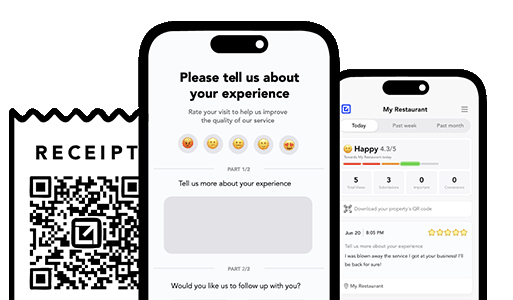
TLDR: A solar installer follow-up is a short check-in sent at each stage of a long install, from the signed contract to the first true-up bill. It catches a worried or frustrated homeowner privately, during the weeks-long wait when most complaints are born, before they post a 1-star about a system that is working fine. It also routes your happy customers toward a public review and a referral. Below is the stage-by-stage timing, the exact messages, copy-paste templates, a private-first review funnel, and the referral nudges that turn one install into three.
Why the solar installer follow-up is your cheapest reputation insurance
Most home services are done in a day. Solar is not. Between the moment a homeowner signs and the moment they see a dime of savings, there is a long, quiet stretch that no other trade really has: engineering and permitting, the install itself, utility interconnection, permission to operate, a meter swap, and finally a first bill that proves the whole thing worked. The single most common reason a great solar install turns into a bad review is that gap, and the silence that fills it, not a defect in the work.
A solar installer follow-up is what puts you back in the conversation during that gap. Picture the customer whose panels went up two weeks ago. They look great on the roof. But the inverter is dark, the utility has not switched them on, there is no savings yet, and the salesperson who called three times a day before the contract has gone completely quiet. In that homeowner’s head, “the system is not on yet” quietly becomes “they took my money and disappeared,” and that story writes itself straight onto Google. Solar is one of the most review-driven, trust-fragile purchases a family makes, a $20,000-plus decision they made partly on your star rating. A single frustrated customer during the wait does not cost you one review, it costs you their whole street, because solar spreads by neighbors watching neighbors. That is why a two-line text at each stage pays for itself faster than almost anything else your ops team does.
What a solar installer follow-up actually is (and what it is not)
It is not a 20-question satisfaction survey. It is not a monthly “go solar and save the planet” newsletter that dies in a promotions folder. And it is not three review requests fired off the week the panels go up, before the customer has any idea whether their system even works.
A good solar follow-up is one short, warm message at each key stage that does two jobs at once:
gives a worried or frustrated homeowner a private, easy way to tell you something feels off, so you can explain the timeline or catch a real problem early
gives a satisfied homeowner a natural nudge toward a public review and a referral, at the moment they are actually happy
That is the whole thing. On a long job like solar, the timing and the discipline of sending one at every stage matter far more than the wording. The wait is where reputations are lost, and the first full month of production is where they are won.
When should you send a solar follow-up?
Timing beats phrasing, and solar has more than one moment that matters. Map a check-in to each stage of the job, because each stage has its own way of going wrong.
Install day complete: the crew just left. Was the site cleaned up, is the homeowner happy with how it looks, any concerns about the roof? Catch cosmetic or workmanship worries now, while a truck can still swing back.
During the utility and PTO wait: the most important one, and the one everybody skips. This is the silence that breeds 1-star reviews. A short “you are in the queue, here is roughly how long, we are handling it” turns dead air into confidence.
System activation: the system is live. Show them how to read production, and open the door for questions before small confusion becomes a complaint.
First full month of production: the payoff check-in. Are they seeing the savings, does anything look off? This is where a happy customer becomes a review and a referral, and where a production shortfall gets caught privately instead of publicly.
Ongoing, once or twice a year: an annual production check, plus referral and add-on nudges for batteries or an EV charger.
Skip the wait check-in and the frustration hardens into a review before the meter is even swapped. For more on nailing the cadence, here is when to send follow-ups after a job.
Automate follow ups after every job
Catch issues early and drive repeat work with smart reminders.
Keep each message short, lead with what the homeowner is anxious about, and make it answerable in one tap from the couch. The wait check-in is the one that saves you the most reviews, so it is worth getting right.
Hi [Name], it’s [Company]. Quick update: your system passed inspection and you’re in [Utility]’s interconnection queue, which is running about [X] weeks right now. We’re on it and will text the day it’s switched on. How’s everything looking on your end? Reply 1 all good, 2 have a question, 3 please call me.
Every answer is useful. “All good” is a future review once the system is producing. “Have a question” and “please call me” are a save you get to make privately, before frustration about a normal delay turns into a public 1-star. That one line explaining the queue defuses the exact misunderstanding that generates most post-install complaints: the belief that nothing is happening.
This is the whole idea behind a private-first review funnel: happy homeowners get pointed at Google, worried ones get pointed at you. Tools like VisibleFeedback intercept dissatisfaction before it turns into churn, so the concern lands in your ops inbox instead of on your listing.
Installer with a follow-up vs. installer without one
Two companies, same panels, same crews, same install quality. The only difference is whether they stay in touch during the long wait and after the switch flips.
Situation
No follow-up
With a solar follow-up
Six-week utility wait, no updates
Homeowner assumes they were ghosted, posts a 1-star before activation
Gets a “you’re in the queue, we’re on it” text, waits calmly
Roof or site left messy on install day
Stews, tells the neighborhood, leaves a workmanship review
Replies “have a question,” you check the data privately, explain or fix
First bill still shows a charge they didn’t expect
Assumes solar was a scam, warns everyone
Replies, you walk through the true-up and net metering, keep them happy
System is live and saving money
Grateful homeowner leaves no review, refers no one
Gets asked at the right moment, leaves a 5-star and sends a neighbor
You learn about a problem
When the review posts
The same day, privately
Same panels, same crews, very different reputation and a very different referral pipeline. The follow-up is the cheapest reputation insurance a solar company can buy, and this pattern is the same one that keeps roofing customers confident after a big job.
Copy-paste solar follow-up templates
Steal these, swap in your names, and send them at every stage. Short and clear beats long and technical. Adjust anything about timelines and utility processes to your own market.
When
Channel
Message
Install day complete
Text
Hi [Name], it’s [Company]. The crew wrapped up your install today. How does everything look, and was the site left clean? Reply 1 great, 2 have a question, 3 please call me.
During the utility / PTO wait
Text
Hi [Name], quick update: you passed inspection and you’re in [Utility]’s interconnection queue, about [X] weeks right now. We’re handling it and will text the day it’s switched on. Any questions in the meantime? Reply 1 all good, 2 question, 3 call me.
System activation
Text
Great news [Name], your system is live and producing! Here’s how to check your daily output: [app/link]. Take a look and reply if anything seems off. Welcome to lower bills.
First full month of production
Text
Hi [Name], you’ve had a full month of production now. Are you seeing the savings you expected? Reply 1 looking great, 2 have a question, 3 please call me.
Review ask (happy customers only)
Text
So glad it’s working out, [Name]! A quick Google review helps other homeowners find an installer they can trust. Here’s the link: [review link]. Thank you!
Referral ask
Text
Hi [Name], loving the lower bills? If a neighbor or friend has asked about your panels, we’d be grateful for the intro, and there’s a [referral reward] in it for you. Just reply with a name or send them our way.
Annual production check
Text
Hi [Name], happy solar anniversary! Your system had a strong year. Want a quick production summary, or thinking about adding a battery or EV charger? Reply and we’ll help.
If they reply “please call me”
Text
Got it, [Name]. [Rep] will call you shortly so we can sort this out. Thanks for letting us know.
The wait and install-day check-ins are the ones that protect you. The review and referral asks are the ones that grow you. The annual check is the one that keeps you top of mind for batteries, EV chargers, and the next referral. You want all of them, but if you only ever do one, do the check-in during the utility wait.
More referrals: the growth half most installers leave on the table
Reviews protect your reputation. Referrals fill your pipeline. And solar has a growth truth hiding in plain sight: a customer who just watched their electric bill drop is the best salesperson you will ever have, and it costs you nothing but a well-timed ask. Solar spreads street by street. One visible install and one happy neighbor can seed an entire subdivision, and door-knocking that same street cold would cost you a fortune in rep time and burned goodwill.
The mistake is waiting for referrals to happen on their own, or asking on install day before the customer has any proof the system works. Ask at the wrong moment and it falls flat. Ask right after the first month of real savings, when the homeowner is genuinely thrilled and telling people at work anyway, and the same intro converts. A referred lead closes at a far higher rate and a far lower acquisition cost than a cold one, and the ask is not pushy when it rides on a happy moment: “loving the lower bills? if a neighbor’s asked about your panels, we’d be grateful for the intro.”
This is where the follow-up and the referral engine become one system. The same channel that calmed a homeowner during the wait can ask for the review the month savings show up, and nudge for a referral right after. VisibleFeedback was built to catch issues before they show up on Yelp or Google, and to send those recurring review and referral nudges automatically, so your ops team is not hand-tracking where every customer sits in a months-long pipeline. There is more on the mechanics in turning one-time customers into repeat work without spam and in the reminder revenue playbook.
Turning happy homeowners into actual 5-star reviews
Most solar customers are thrilled and silent. Their bill drops, they mention it to a coworker, and it never occurs to them to write a review, especially after a months-long process that left them relieved it was finally over. The follow-up fixes the silence, because you are only asking the people who told you the system is producing and the savings are real, at the exact moment they feel it.
A simple response workflow so follow-ups don’t overload ops
If you send check-ins, someone has to handle the replies fast, or you have just built a machine for reminding customers that their system still is not on. Keep it to five states and two rules.
Rule one: every “question” or “please call me” reply gets a same-day response from the right person, project manager for timeline questions, a tech for production concerns, not the end of the week
Rule two: confirm after you have helped, so the homeowner hears “we’ve got you” from your team before they ever decide whether to post
That is the whole system. On a purchase this large, where one frustrated customer during the wait can steer their whole street to a competitor, a two-line text and a quick callback is the best time your team will spend all day. For the recovery script itself, see how to handle unhappy customers fast.
Where VisibleFeedback fits
You can absolutely run this by hand with a spreadsheet and a texting app, and you should start today if that is all you have. It works because the habit works, not because the tool is fancy.
The reason installers automate it is the length of the pipeline and the number of moving parts. Once you have dozens of jobs sitting at different stages, some on install day, some deep in the interconnection queue, some a month into production, remembering to text each one at the right moment, only asking the happy ones for a review and a referral, and routing every “please call me” to the right person before it goes public becomes its own full-time job, and it is exactly the job that slips when the install calendar is packed. VisibleFeedback runs it on autopilot: it sends the stage-based check-ins on your schedule, routes any worried reply straight to the right person before it goes public, points happy customers to a review, and fires the referral and annual-check nudges automatically. VisibleFeedback was built to catch issues before they show up on Yelp or Google. It starts at $65 a month with no contract, versus the $299 to $699 the big reputation platforms charge, which matters when you are a growing regional installer, not a national brand.
A quick solar installer follow-up checklist
Send a check-in on install day, asking about the site and the workmanship
Send the most important one during the utility and PTO wait, explaining the queue and the timeline
Keep it to one tap: 1 all good / 2 have a question / 3 please call me
Route “question” and “call me” replies to a same-day callback from the right person, never to a review
Message again at activation with how to read production
Ask for the review after the first full month of real savings, not on install day
Ask for the referral right after the first savings, when they’re happiest
Send the review link directly, not “find us on Google”
Run an annual production check and nudge for batteries or an EV charger
Do it for every job at every stage, not just when someone remembers
FAQ
What is a solar installer follow-up? It is a short message you send at each stage of a solar install, from install day through the utility wait, activation, and the first month of production. It catches worry and frustration privately, so you can explain the timeline or fix a real problem before it becomes a public review, and it routes happy homeowners toward leaving a review and sending a referral.
When should I send the follow-up texts? Map one to each stage: install day, the interconnection and PTO wait, activation, and the first full month of production, plus an annual check. The wait check-in matters most, because that silence is where the worst reviews come from. Send the review and referral asks after the first month of real savings, only to happy customers.
Won’t customers find the texts annoying? Not if you keep them short and tied to real milestones. A homeowner mid-way through a months-long process wants to know what is happening. One clear update per stage reads as an installer who is on top of the job, not spam. What annoys people is a survey or three review asks before the system is even on. What loses you customers far more is going silent after the sale.
How does this help me get more referrals? Solar grows street by street, and your happiest customer is your best salesperson. A referral nudge timed to the first month of savings, when the homeowner is thrilled and already talking about it, converts far better than a cold door-knock and costs you almost nothing. The follow-up gives you that moment automatically.
How do we get more reviews without sounding pushy? Only ask the customers who already told you the system is producing and the savings are real, ask once, and make it one tap with a direct link. That is the whole trick. Here is the longer version on getting more Google reviews.
The bottom line
Your reputation as a solar installer is not decided on install day. It is decided during the long, quiet wait between the panels going up and the savings showing up, in a conversation the homeowner is having with themselves about whether you took their money and disappeared. A short text at each stage puts you back in that conversation: you catch the worried customers before they go public over a system that is working fine, you turn the thrilled ones into the reviews that win the next comparison shopper, and you ask for the referral at the exact moment their bill just dropped.
Start with the templates above and one habit: message every customer at every stage, especially during the wait. If you would rather it run itself across every job in your pipeline, start a free 14-day trial of VisibleFeedback, no credit card required.
Automate follow ups after every job
Catch issues early and drive repeat work with smart reminders.
How can I prevent negative reviews from hurting my business? You can’t stop every unhappy customer from sharing feedback, but you can intercept it before it goes public. Tools like VisibleFeedback allow customers to scan a QR code and leave feedback privately. If the feedback is negative, you’re alerted instantly so you can resolve the issue before it turns into a 1-star review.Why are customer reviews so important for local SEO? Reviews are one of the top local ranking factors on Google. Businesses with consistent positive reviews rank higher in search results and attract more customers. By using VisibleFeedback to capture happy customer moments and guide them to Google or Yelp, you build a steady flow of authentic reviews that improve both your reputation and your local SEO.What’s the best way to collect customer feedback in 2025? Traditional methods like comment cards and long surveys don’t work anymore, customers want convenience. The easiest way to collect real-time feedback in 2025 is by using QR codes and mobile-friendly forms. VisibleFeedback makes this simple, helping you get instant insights while turning satisfied customers into 5-star reviewers.
Austin Spaeth is the founder of VisibleFeedback, a tool that helps service companies automate post-job follow-ups, catch issues early, and drive repeat work with smart reminders. With a background in software development and a focus on practical customer retention systems, Austin built VisibleFeedback to make it easy to email customers after every job, route problems to the right person, and keep relationships strong without awkward outreach. When he’s not building new features or writing playbooks for service businesses, he’s wrangling his six kids or sneaking in a beach day.
🚀 What's your goal? Get a plan ...
🚀 Start Here For Help
Whether you’re dealing with callbacks, unhappy customers, or low repeat work, we’ll help you tighten the follow up loop.