TLDR: A dog boarding follow-up is a short check-in you send after each stay. It catches an anxious owner privately before they post about a weekend they spent worrying, and it routes your happy clients to leave a public review. Add a rebooking reminder timed to the next holiday or standing daycare week and the same system that protects your reputation also fills your kennel. Below is the timing, the exact messages, copy-paste templates, a private-first review funnel, and the reminders that get every dog back on your calendar.
Why the dog boarding follow-up is your most valuable 30 seconds
When someone drops off their dog for a week, they are not buying kennel space. They are handing you a member of the family and then spending the entire stay guessing how it is going. And here is the thing most boarding and daycare owners underrate: silence does not feel like calm to a nervous owner, it feels like bad news nobody wants to deliver. So they fill the quiet with worst-case stories, and by pickup they have half-decided how they feel before you say a word.
A dog boarding follow-up is the 30 seconds that closes that gap. It is a short message a few hours after pickup that says, in effect, “the stay went great, and I am still here if anything feels off at home.” That tiny signal does two enormous jobs: it reassures the owner who was quietly worried, and it opens the door for the happy owner to become a public review. A loyal boarding client can be worth several thousand dollars a year once you count holidays, vacations, and weekly daycare, so one unaddressed worry does not cost you a weekend, it costs you the relationship and every referral that came with it.
What a dog boarding follow-up actually is (and what it is not)
It is not a survey. It is not a “thank you for choosing us” email that lands in Promotions and dies. And it is not three review requests in a week that make a two-person kennel look like a marketing machine.
A good dog boarding follow-up is one short, friendly message that does two things at once:
gives a worried owner a private, low-effort way to tell you something felt off
gives a happy owner a nudge toward a public review, at the moment they are most relieved and grateful
That is the whole design. The power is not in clever wording, it is in the timing and in the fact that you send it after every stay, not just when the front desk remembers.
When should you send the boarding follow-up?
Timing beats phrasing every time. Send it while the stay is fresh and while anything that felt off is still fixable with a conversation instead of a refund.
Same day, a few hours after pickup: the main check-in. The dog has settled at home, the owner has looked them over, and any worry is peaking right now.
Next day, only to happy clients: the review ask. Never bundle it with the check-in, and never send it to someone who just told you something felt off.
Before the next likely trip: the rebooking reminder, timed to holidays, school breaks, or that client’s standing daycare pattern.
Send the check-in too late and the worry has already hardened into a review. Send the review ask to an uneasy client and you have basically handed them the pen.
Automate follow ups after every job
Catch issues early and drive repeat work with smart reminders.
Keep the first message almost too simple. You want a reply in one tap, from someone who just got their dog back and is holding a leash in one hand and a phone in the other.
Hi [Name], it’s [Handler] at [Kennel]. How is [Dog] settling in at home after the stay? 🙂 All good 😐 A little off 💬 Want to chat
Every answer is useful. “All good” is a future review. “A little off” and “Want to chat” are a save you get to make privately, in a text thread, before it ever reaches Google.
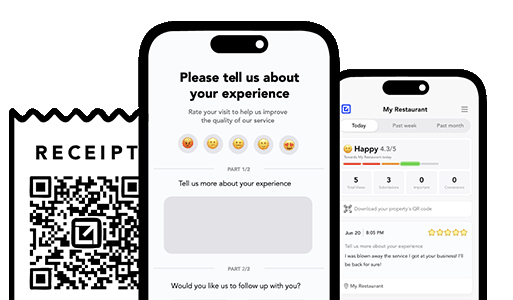
This is the whole idea behind a private-first review funnel: happy clients get pointed at Google, uneasy clients get pointed at you. Tools like VisibleFeedback intercept dissatisfaction before it turns into churn, so the concern lands in your inbox instead of on your listing.
Kennel with a follow-up vs. kennel without one
Two boarding businesses, same clean runs, same caring staff. The only difference is the message after pickup.
Situation
No follow-up
With a dog boarding follow-up
Owner heard nothing all weekend
Assumes the worst, posts a nervous 3-star
Gets a warm check-in, feels cared for, rebooks
Dog came home tired and off his food
Owner suspects neglect, warns their friends
You explain post-stay adjustment, offer to call, calm it privately
There was a minor scuffle at daycare
Owner finds a nick and imagines the worst
You already flagged it, they trust your honesty
Stay went perfectly
Owner is relieved, leaves no review
Replies “all good,” you ask, you get the 5-star
Next holiday is six weeks out
Owner books whoever has space
Gets your reminder, locks the same dates early
You learn about a problem
When the review posts
The same afternoon, privately
Same runs, same team, very different reputation and a very different booking calendar. The follow-up is the cheapest reputation insurance a boarding business can buy.
Copy-paste dog boarding follow-up templates
Steal these, swap in your names, and send them every time. Short beats clever, and consistency beats both.
Same-day check-in (SMS)
Hi [Name], it’s [Handler] at [Kennel]. How is [Dog] settling in at home after the stay? 🙂 All good 😐 A little off 💬 Want to chat
If they reply “a little off” or “want to chat”
Thanks for telling me. What felt off? I want to make it right, whether that’s answering a question about the stay or fixing something on our end. [Dog]’s comfort is the whole job for us.
Next-day review ask (only to happy clients)
So glad [Dog] is happy at home, [Name]! If you have 20 seconds, a quick Google review helps other pet parents find a place they can trust. Here’s the link: [link]. Thank you for letting us look after [Dog]. 🐾
First-time boarding client (send at pickup)
[Dog] did great for a first stay. It’s normal for a pup to be extra sleepy or clingy the first night home. Text me anytime if anything seems off, I’m happy to talk it through.
Post-daycare recap (for regulars)
[Dog] had a good day, played with the usual crew and napped hard this afternoon. See you [next day]! Reply here if you have any questions.
Rebooking reminder (before a holiday or trip)
Hi [Name], [holiday/season] weeks fill up fast and I’d hate for [Dog] to miss a spot. Want me to hold [dates]? Just reply YES and you’re on the calendar. 🐾
Notice none of these ask for anything hard. One tap, one word, or a quick yes. That is what actually gets answered.
Turning happy clients into actual 5-star reviews
Most boarding clients are relieved and silent. Their dog came home safe, they were grateful in the moment, and it never occurred to them to write a review. The follow-up fixes the silence, because you are only asking the people who already told you they are happy, at the exact moment they feel it.
Make the review one tap. Send the direct link, not “search for us on Google.” If you want to go deeper on this, here is how to get more Google reviews for your service business without begging, and when a bad one does slip through, how to respond to bad reviews so the reply reassures the next hundred readers deciding where to board their dog.
Rebooking: the retention half most kennels skip
Reviews protect your reputation. Rebooking pays your mortgage. And boarding has a rhythm you can plan around: the same clients travel for the same holidays, take the same summer trips, and drop off on the same daycare days. That predictability is a gift, but only if you use it before your competitor does.
The mistake is leaving the next booking up to the owner to remember. They mean to book Thanksgiving in October, then life happens, and by the time they call you are full, so they end up somewhere new and might just stay there. A single well-timed reminder before a holiday turns a one-time guest into a standing reservation, which is the difference between a client worth one weekend and a client worth thousands over a few years.
This is where the follow-up and the rebooking reminder become one system. The same channel that caught a worry after pickup can nudge the owner to lock their Christmas dates in November. VisibleFeedback was built to catch issues before they show up on Yelp or Google, and to send those recurring reminders automatically, so you are not the one manually tracking which of 300 clients travels for which holiday. There is more on the mechanics in turning one-time customers into repeat work without spam and in the reminder revenue playbook.
Where VisibleFeedback fits
You can absolutely run this by hand with a notes app and a texting app, and you should start today if that is all you have. It works because the habit works, not because the tool is fancy.
The reason boarding and daycare owners automate it is volume and timing. During a busy holiday week you might have 40 dogs going home, and remembering to text each owner, only asking the happy ones for a review, flagging the uneasy replies before they go public, and tracking who travels next month becomes its own full-time job on your busiest days. VisibleFeedback runs that on autopilot: it sends the post-stay check-in, routes any uneasy reply straight to you before it goes public, points happy clients to a review, and fires the rebooking reminder ahead of each holiday or standing daycare week. It starts at $65 a month with no contract, versus the $299 to $699 the big reputation platforms charge, which matters when you are a family kennel and not a national chain.
A quick dog boarding follow-up checklist
Send a check-in a few hours after every pickup
Keep it to one tap: All good / A little off / Want to chat
Route “off” replies to a private fix, never to a review
Ask only happy clients for a review, the next day
Send the review link directly, not “find us on Google”
Flag any incident yourself before the owner finds it
Set a rebooking reminder before each holiday or standing week
Do it every time, not just when the front desk remembers
FAQ
What is a dog boarding follow-up? It is a short message you send after each boarding stay or daycare day to check how the dog and owner are doing. It catches concerns privately so you can reassure or fix them before they become public reviews, and it routes happy clients toward leaving one. Paired with a rebooking reminder, it also books the next stay before the owner shops around.
When should I send the follow-up text? A few hours after pickup, while the stay is fresh and any worry is still fixable with a conversation. Send the review request the next day, and only to clients who told you they were happy. Send the rebooking nudge ahead of the next likely trip, such as a holiday or school break.
Won’t clients find the texts annoying? Not if you keep them short and infrequent. One check-in after a stay and an occasional rebooking reminder reads as care, exactly what an anxious pet parent wants. What annoys people is a ten-question survey or three review asks in a week. For more on tone, see how to handle unhappy customers fast.
How do I get more reviews without sounding pushy? Only ask the clients who already told you they are happy, ask once, and make it one tap with a direct link. That is the whole trick. Here is the longer version on getting more Google reviews.
Should I tell owners about a minor incident at daycare? Yes, always, and before they find it. A small scuffle or a scraped pad that you flag proactively builds trust. The same thing discovered at home with no explanation reads as a cover-up and lands on Google. Honesty in the follow-up is a reputation asset, not a risk.
The bottom line
Your boarding reputation is not decided in the run. It is decided in the hours after pickup, in a conversation the owner is having with themselves about whether they trust you with their dog again. A single short text puts you back in that conversation: you reassure the owners who spent the weekend worrying, you turn the relieved ones into the reviews that bring the next client, and you book the next holiday before anyone else gets the chance.
Start with the templates above and one habit: message every client after every stay. If you would rather it run itself on every booking, start a free 14-day trial of VisibleFeedback, no credit card required.
Automate follow ups after every job
Catch issues early and drive repeat work with smart reminders.
How can I prevent negative reviews from hurting my business? You can’t stop every unhappy customer from sharing feedback, but you can intercept it before it goes public. Tools like VisibleFeedback allow customers to scan a QR code and leave feedback privately. If the feedback is negative, you’re alerted instantly so you can resolve the issue before it turns into a 1-star review.Why are customer reviews so important for local SEO? Reviews are one of the top local ranking factors on Google. Businesses with consistent positive reviews rank higher in search results and attract more customers. By using VisibleFeedback to capture happy customer moments and guide them to Google or Yelp, you build a steady flow of authentic reviews that improve both your reputation and your local SEO.What’s the best way to collect customer feedback in 2025? Traditional methods like comment cards and long surveys don’t work anymore, customers want convenience. The easiest way to collect real-time feedback in 2025 is by using QR codes and mobile-friendly forms. VisibleFeedback makes this simple, helping you get instant insights while turning satisfied customers into 5-star reviewers.How does feedback help improve retention? Feedback reveals what keeps customers loyal and what drives them away. VisibleFeedback helps you act on insights before customers churn.What’s the link between customer experience and retention? Positive experiences lead to repeat business. Using tools like VisibleFeedback ensures you consistently deliver great experiences by resolving issues early.Why should businesses prioritize retention over acquisition? Retaining customers is cheaper and more profitable than finding new ones. VisibleFeedback helps strengthen retention by keeping customers satisfied.
Austin Spaeth is the founder of VisibleFeedback, a tool that helps service companies automate post-job follow-ups, catch issues early, and drive repeat work with smart reminders. With a background in software development and a focus on practical customer retention systems, Austin built VisibleFeedback to make it easy to email customers after every job, route problems to the right person, and keep relationships strong without awkward outreach. When he’s not building new features or writing playbooks for service businesses, he’s wrangling his six kids or sneaking in a beach day.
🚀 What's your goal? Get a plan ...
🚀 Start Here For Help
Whether you’re dealing with callbacks, unhappy customers, or low repeat work, we’ll help you tighten the follow up loop.