TLDR: Most reminder campaigns annoy people because they’re framed as marketing blasts instead of simple customer service. Done right, reminders are the opposite of spam: they help customers avoid problems, plan ahead, and remember maintenance that actually matters. The key is relevance and cadence. You don’t need weekly emails. You need a few well-timed touches tied to real-world triggers: season changes, warranty milestones, filter swaps, re-treat windows, and annual inspections. This article lays out practical cadences for common service businesses (HVAC, pest control, plumbing, electrical, cleaners, and more), plus copy/paste templates that keep the tone helpful. You’ll also learn how to segment reminders so the right people get the right message, and how VisibleFeedback can connect reminders to real feedback signals—so you’re not guessing who needs attention or when.
Why “Reminder Campaigns” Feel Spammy (And How to Fix That)
Customers hate being marketed to. They don’t hate being helped.
A reminder becomes annoying when it’s:
- generic (“Book now!” with no context)
- too frequent
- not tied to something real (season, wear-and-tear, warranty, safety)
- hard to act on (no clear next step)
- clearly sent to everyone, regardless of need
A reminder feels like customer service when it’s:
- specific (“It’s been 6 months since your tune-up”)
- timed to reality (“heat season starts soon”)
- framed as prevention (“avoid breakdowns”)
- quick to act on (one-click scheduling or reply-to-book)
- respectful (low frequency, easy opt-out)
This is the mindset shift: reminders aren’t “ads.” They’re a maintenance concierge.
The Core Principle: Reminders Should Trigger From Something True
The easiest way to stop annoying people is to stop guessing.
Good reminder triggers:
- time since last service
- season changes (spring/fall)
- expected replacement intervals (filters, batteries, treatments)
- warranty milestones (30 days before expiration)
- usage-based intervals (for some commercial accounts)
- customer feedback signals (neutral/negative last time → different cadence)
Bad triggers:
- “it’s Tuesday, blast the list”
- “we need revenue this week”
- “it’s been a while, I guess”
If the customer can read your message and immediately think “yeah, that makes sense,” you win.
Cadence: Fewer Touches, Better Timing
Most service businesses send too many messages because they’re trying to compensate for weak relevance.
A good baseline cadence for one-time jobs is usually:
- 1 helpful follow-up (education + what to expect)
- 1 short reminder at the first logical interval
- 1 seasonal reminder (if applicable)
- 1 annual check-in
That’s 3–4 touches over a year, not 20.
If you want more touchpoints, earn them with segmentation and usefulness.
Segment First (Or You’ll Spam Everyone)
Segmentation doesn’t need to be fancy. A few buckets are enough.
Minimum segments:
- job type (emergency / routine / install)
- service category (HVAC / pest / plumbing / electrical / cleaning)
- frequency preference (recurring plan vs one-time)
- last service date
- outcome signal (happy vs unhappy last time)
This lets you send fewer messages with higher relevance.
Example:
- a one-time HVAC repair customer should not get weekly “maintenance plan” pushes
- an install customer should get “how to get the best performance” and “seasonal tune-up” timing
- a customer who had a neutral experience should get a “check-in” before a salesy reminder
Cadence Examples by Business Type
HVAC: One-Time Repair → Repeat Maintenance
HVAC is seasonal and failure-driven, so reminders should focus on preventing breakdowns.
Suggested cadence:
- Day 1: service summary + “what to watch for”
- Day 30: quick check-in (“still working great?”)
- Spring or Fall: seasonal tune-up reminder (pick the next season)
- 11 months after service: annual maintenance reminder
Why it works:
- you catch “problem came back” issues early
- you align tune-ups with real seasonal demand
- you build a predictable annual loop
Pest Control: One-Time Treatment → Recurring Protection
Pest reminders should match re-treatment windows and local pest pressure.
Suggested cadence:
- Day 1: what to expect (activity may increase temporarily)
- Day 14: check-in (“any activity still?”)
- Day 60–90: prevention reminder (“common re-entry window”)
- Quarterly option: “want us to keep this controlled year-round?”
Why it works:
- you normalize expectations (reduces complaints)
- you time repeat work around recurrence probability
Plumbing: One-Time Fix → Annual Prevention
Plumbing reminders should focus on preventing damage, not selling.
Suggested cadence:
- Day 1: summary + “if you see X, call us”
- Day 90: check-in (especially for recurring issues)
- 12 months: annual inspection offer (water heater, shutoff valves, leaks)
Why it works:
- plumbing failures are expensive and emotional
- prevention framing converts better than “book now”
Electrical: One-Time Job → Safety Check
Electrical reminders should focus on safety and code compliance.
Suggested cadence:
- Day 1: summary + safety notes
- 6 months: “quick safety check” offer (panel, breakers, GFCI)
- 12 months: annual reminder if they have older systems
Why it works:
- customers don’t want “electrical marketing”
- they do want safety reassurance
Cleaning / Home Services: One-Time → Recurring Schedule
For cleaners, reminders are about rhythm and convenience.
Suggested cadence:
- Day 1: thanks + “same time next month?”
- Day 14: gentle scheduling reminder
- Day 30: recurring slot offer (“we can reserve your preferred day”)
Why it works:
- you’re selling convenience, not cleaning
- people don’t want to think about it; they want it handled
The “Customer Service” Framing That Converts
The words matter. If you sound like a marketer, you get ignored.
Use frames like:
- “quick heads up”
- “seasonal reminder”
- “to prevent issues”
- “most customers do this to avoid problems”
- “reply and we’ll handle scheduling”
Avoid frames like:
- “limited time offer”
- “act now”
- “don’t miss out”
- “exclusive deal”
- anything that reads like a coupon blast
Your goal is to sound like a helpful professional, not a sales funnel.
Templates: Reminders That Don’t Annoy People
SMS: Seasonal Reminder (HVAC)
Hey [Name] — quick seasonal reminder: spring tune-ups help prevent breakdowns once it gets hot.
Want us to get you on the schedule? Reply YES and we’ll send times.
SMS: “It’s Been a While” (General)
Hey [Name] — quick check-in: it’s been about [X] months since we last helped out.
Want us to schedule a quick maintenance visit so nothing turns into a bigger issue?
Email: Helpful Maintenance Reminder
Subject: Quick reminder for [System/Service] maintenance
Hi [Name],
Just a quick reminder—most customers schedule [service] about every [interval] to prevent surprise issues.
If you’d like, we can get you on the calendar for [time window].
Reply to this email or book here: [Link]
Thanks,
[Signature]
Email: Warranty/Install Milestone Reminder
Subject: Quick check-in on your install
Hi [Name],
Just checking in as a normal milestone. It’s been about [X] months since your install, and this is a common time to do a quick tune-up and filter check to keep performance high.
If you want us to schedule it, reply here and we’ll set it up.
Thanks,
[Signature]
What to Avoid (This Is How You Get Unsubscribes)
- frequent blasts (“monthly newsletter”) when customers didn’t ask for it
- reminders without a reason
- long emails with zero value
- sending the same cadence to everyone
- “book now” with no context
Also: don’t surprise-text people who never opted into SMS. If you text, do it with permission and include a simple opt-out.
How Feedback Signals Improve Reminder Timing
Here’s a simple but powerful tweak:
- If the customer was happy last time → normal cadence
- If the customer was neutral → add a check-in before you remind
- If the customer was unhappy → resolve fully, confirm, then restart cadence later
This prevents the worst-case scenario: you remind someone to buy again while they still feel like you didn’t handle the last job well.
How VisibleFeedback Fits
You can run reminder campaigns with any CRM. The problem is that most CRMs don’t connect reminders to real satisfaction signals.
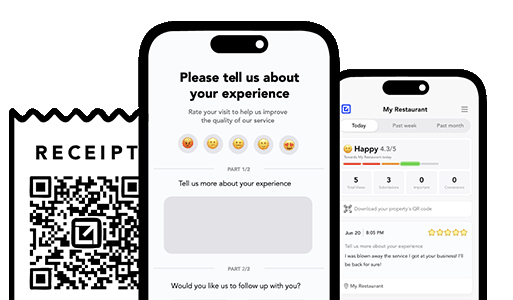
VisibleFeedback helps you run reminders like customer service by:
- capturing post-job sentiment quickly (one-tap)
- surfacing unresolved issues so you don’t “market to unhappy customers”
- letting you segment reminders based on job type and outcomes
- creating a clean workflow: feedback → recovery → repeat work → reviews
That’s the real difference: you stop guessing and start timing follow-ups based on reality.
Bottom Line
If you want repeat work without annoying people:
- send fewer messages
- tie them to real triggers
- make them helpful
- make them easy to act on
Do that, and reminders stop feeling like marketing and start feeling like the kind of service customers actually appreciate.