2/14/2026
Retention
Cleaning Company Customer Retention: How to Keep One-Time Clients Coming Back
One-time cleaning customers are revenue that walks away. Learn how cleaning companies turn occasional clients into recurring monthly business.

TLDR: The biggest revenue leak in most service businesses isn’t bad work or high prices — it’s silence. When a job ends and no one follows up, customers forget your name, skip the review, and call whoever shows up first on Google next time. A simple follow-up system — check-in texts, review requests, seasonal reminders — catches problems before they become bad reviews, earns 5-star ratings on autopilot, and turns one-time jobs into repeat revenue. The math is straightforward: even a modest bump in retention from follow-ups can mean thousands per month in repeat bookings you’d otherwise lose. This article breaks down exactly what to send, when to send it, and how to automate the whole thing so it runs without adding work to your plate.
Your tech just wrapped up a job. The homeowner paid. Your crew moved on to the next call.
That right there is where most service businesses lose money without realizing it.
Not on the job itself. On what happens after. Or more accurately, what doesn’t happen after.
The follow-up.
Think about the last time you hired someone to work on your house. They came, they did the work, they left. Did you ever hear from them again?
Probably not.
And when you needed the same type of work six months later, did you remember their name? Maybe. Did you look them up? Or did you just Google it and pick whoever showed up first?
This is what happens to your customers every single day. They liked your work. They would have hired you again. But you disappeared, and now someone else has the job.
Here’s what the numbers say:
The follow-up isn’t extra credit. It’s where the money is.
A strong post-service follow-up does three things at once. Every single one puts money back in your pocket.
A customer whose drain is dripping again the day after your plumber left has two choices: call you, or leave a 1-star review on Google.
If you reach out first — even a simple “How’s everything working?” text the day after the job — you’ve given them an easy, private way to tell you. Now it’s a quick callback instead of a public complaint.
Most unhappy customers never say anything to you directly. They just post about it online. A follow-up message intercepts that. You get a chance to fix it. They get the feeling that you actually care.
And here’s the surprising stat: companies that respond effectively to complaints recover up to 95% of at-risk customers. You can’t respond if you don’t know there’s a problem.
More than 70% of people will leave a review when they’ve had a great experience. The catch? Most of them won’t do it unless someone asks.
A follow-up message is the natural time to ask. Not a cold “Please rate us 5 stars” text. Something real:
“Hey [Name], just checking in after yesterday’s AC repair. Everything running smoothly? If you’re happy with how things went, we’d really appreciate a quick Google review — it helps other homeowners find us.”
That’s it. No pressure. You’re checking on the work AND asking for the review in one message. It feels natural because it is natural.
Service businesses that automate this process see their review counts climb steadily, month after month. Those reviews then feed your Google ranking, which brings in more calls, which grows your business without buying a single ad.
Here’s the part most owners miss entirely.
Your follow-up isn’t just about the job you finished. It’s the beginning of the next sale.
A pest control tech who treats a house in January should be planting the seed for the spring treatment. An HVAC company that installs a system should be locking in the first maintenance visit. A plumber who clears a drain should be offering a maintenance plan.
The follow-up message is where you make the transition from “one-time vendor” to “their guy.”
Sample: “Thanks again for choosing us for your fall furnace tune-up. Just a heads-up — we recommend a spring check-up too, especially before the AC season kicks in. We’ll send you a reminder in April so you don’t have to think about it.”
Now you’re booked on their mental calendar. And when that reminder lands in April, they’re far more likely to book with you than to shop around.
You don’t need to hire someone to sit at a desk sending texts all day. A follow-up system can be dead simple:
Day of service: Send a thank-you text or email. Confirm the work is done and give them a way to reach you if anything seems off.
Day after service: Check in. “How’s everything working? Any questions?” This is your safety net for catching problems early.
3 to 5 days after: If they responded positively (or didn’t respond at all), ask for a review. Include a direct link. Make it one tap.
30 to 90 days after: Send a service reminder if applicable. “Your quarterly pest treatment is coming up — want us to get you on the schedule?”
Seasonal touchpoints: Reach out before peak seasons with relevant offers. Spring AC tune-ups. Fall furnace checks. Pre-winter pipe inspections.
That’s the whole system. Five touchpoints that take a customer from “one-time job” to “repeat client” to “referring you to their neighbors.”
Most service business owners know they should follow up. They’ve even tried.
The problem is consistency. When you’re quoting jobs, managing crews, handling payroll, and answering calls, sending follow-up texts to last Tuesday’s customers falls off the list fast.
And it only works if you do it every time, for every customer. One follow-up to one customer is a nice gesture. A system that runs automatically for every single job is a revenue engine.
That’s why the businesses that actually get results from follow-ups are the ones that automate it. Set the messages once, connect it to your job flow, and it runs in the background. Tools like VisibleFeedback are built for exactly this — lightweight post-job follow-ups that collect feedback and trigger review requests without you having to think about it.
Let’s make it concrete.
Say you complete 200 jobs a month. Of those customers, maybe 30% would hire you again within the year if they remembered you. That’s 60 repeat jobs, sitting there for the taking.
Without follow-ups, you might get 10 of those back. With a system? You’re looking at 30 to 40. At an average ticket of $300, that’s $6,000 to $9,000 per month in repeat revenue you’d otherwise lose to a competitor who showed up first on Google.
And that’s before you count the reviews, the referrals, and the maintenance plans.
You don’t need to overhaul your business to start following up. Start with one thing:
Send a check-in text the day after every job.
That’s it. Do it for two weeks. Watch what happens. You’ll catch a problem you didn’t know about. You’ll get a review you wouldn’t have gotten. You’ll book a job from a customer you would have lost.
Then build from there. Add the review request. Add the seasonal reminder. Add the maintenance plan offer.
The follow-up is the easiest money in your business. All you have to do is not disappear after the truck pulls away.
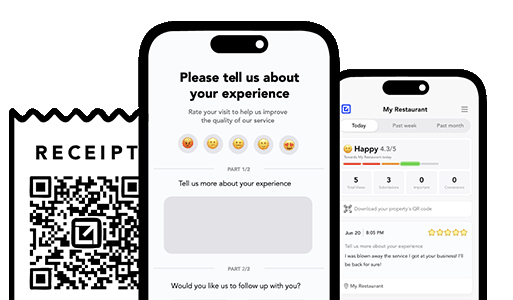
Text or email clients after every job. Catch issues early, recover unhappy clients fast, and drive repeat work with smart reminders.

Austin Spaeth is the founder of VisibleFeedback, a tool that helps service companies automate post-job follow-ups, catch issues early, and drive repeat work with smart reminders. With a background in software development and a focus on practical customer retention systems, Austin built VisibleFeedback to make it easy to text or email customers after every job, route problems to the right person, and keep relationships strong without awkward outreach. When he’s not building new features or writing playbooks for service businesses, he’s wrangling his six kids or sneaking in a beach day.
Whether you’re dealing with callbacks, unhappy customers, or low repeat work, we’ll help you tighten the follow up loop.
No credit card required.
