7/28/2025
Restaurant
Restaurant Marketing in 2025 [Guide]
How to market a restaurant in 2025 using modern strategies and tools.

TLDR: In the restaurant world, first impressions are everything, but they’re not enough. The majority of first-time diners don’t come back, not because the food was bad, but because nothing made them feel compelled to return. Turning a one-time guest into a loyal regular isn’t about gimmicks or discounts. It’s about understanding when the emotional peak of the experience happens, and what you do next. This post explains why most restaurants drop the ball after the meal, and how timing, personalization, and feedback capture can completely shift the odds in your favor. Whether it’s a simple QR code that opens a direct feedback loop, or an automated follow-up that shows customers you care, the key is making diners feel seen, after they leave, not just during service. I also break down the psychology of restaurant loyalty and how digital tools like VisibleFeedback help reinforce good memories and correct issues before they sour. If you’re serious about boosting retention and building a base of repeat customers who rave about your spot to friends and strangers alike, it starts here.
Most restaurants don’t have a food problem. They have a follow-up problem. You can deliver the perfect meal, attentive service, and a great atmosphere, but if you don’t do anything after that first visit, you’re relying on luck to bring the customer back. And luck doesn’t scale. What does scale is a system that helps you capture the right moments and use them to build a relationship.
When someone dines with you for the first time, they’re already on high alert. They’re noticing everything: the way the host greets them, how the food tastes, how clean the bathroom is. If you pass that test, great, but it’s not the end of the game. The real opportunity is what happens after they pay the bill. That’s where most places go silent, and that silence creates distance. The diner forgets, moves on, and never returns.
To change that, you need to catch them while the experience is still warm. A QR code on the table, receipt, or exit door that says, “Tell us how we did” does more than collect feedback, it keeps the conversation going. If they had a good time, you now have a shot at guiding them to leave a review or sign up for updates. If something went wrong, you’ve created a safe, private place to make it right before it becomes a public issue.
This isn’t about automation for the sake of it, it’s about building trust. I created VisibleFeedback because too many small restaurants were losing out to chains with bigger budgets and smarter systems. But loyalty isn’t about spending more. It’s about being thoughtful. When you show customers that their opinion matters, without being annoying, they’re more likely to return and bring others.
Don’t underestimate the emotional power of a well-timed follow-up. Whether it’s a thank-you message or a special invite for a second visit, that little nudge makes your restaurant memorable. And memory drives loyalty. People return to places that made them feel good, not just full.
If you’re serious about growing your base of regulars, you have to design an experience that doesn’t end at the table. VisibleFeedback helps you automate that process, but the heart of it is this: care enough to ask, and do it while the memory is still alive. That’s how you turn a diner into a superfan.
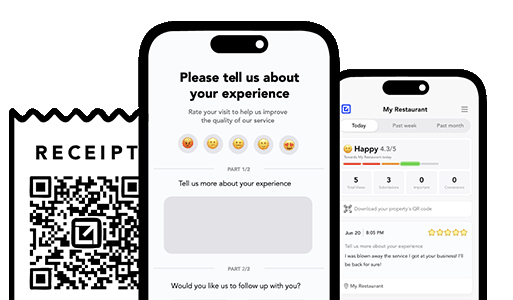
Text or email clients after every job. Catch issues early, recover unhappy clients fast, and drive repeat work with smart reminders.

Austin Spaeth is the founder of VisibleFeedback, a tool that helps service companies automate post-job follow-ups, catch issues early, and drive repeat work with smart reminders. With a background in software development and a focus on practical customer retention systems, Austin built VisibleFeedback to make it easy to text or email customers after every job, route problems to the right person, and keep relationships strong without awkward outreach. When he’s not building new features or writing playbooks for service businesses, he’s wrangling his six kids or sneaking in a beach day.
Whether you’re dealing with callbacks, unhappy customers, or low repeat work, we’ll help you tighten the follow up loop.
No credit card required.
