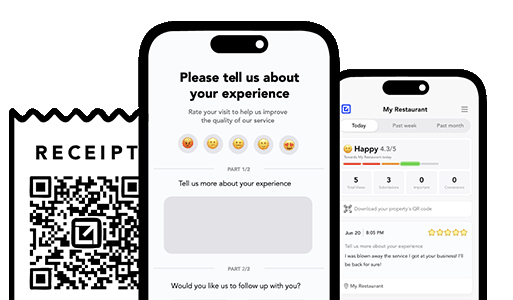
TLDR: Quarterly pest reminders fail when they read like generic marketing blasts. Customers don’t want ‘promos’—they want prevention, predictable scheduling, and an easy way to tell you what they’re seeing. The best quarterly reminder system is simple: a heads-up message before the visit, a day-of arrival confirmation, and a short post-visit check-in that catches issues early. This article gives practical timing cadences, copy/paste SMS and email templates, and messaging rules that keep reminders helpful instead of spammy. You’ll also learn how to segment by plan type and season (mosquito vs general pest), how to pause reminders for unhappy customers until recovery is complete, and how VisibleFeedback helps by automating check-ins, routing negative replies into fast follow-up, and keeping service plans renewing through consistent communication.
Why Quarterly Pest Reminders Usually Feel Spammy
Most companies send reminders like this:
- “Your next service is due!”
- “Schedule now!”
- “Limited spots!”
That language triggers the “ignore marketing” reflex.
Quarterly pest control is not a one-time purchase. It’s a prevention plan. Your reminders should read like:
- scheduling coordination
- prevention guidance
- a quick opportunity to tell you what to focus on
If your reminder sounds like customer service, customers respond. If it sounds like a promo, they don’t.
The Messaging Rules (Keep It Helpful)
Use these rules across every reminder message:
1) Make it about prevention, not “buying.”
2) Give an easy reply option (what/where issues).
3) Keep it short (no paragraphs in SMS).
4) Never guilt (“we haven’t heard from you”).
5) Never fake urgency.
6) Don’t remind unhappy customers until issues are resolved.
That last rule matters: marketing to someone who’s still annoyed increases cancellations.
The Best Quarterly Reminder Cadence (3 Touches)
This is the default that works for most pest control plans.
Touch 1: Pre-visit heads-up (2–5 days before)
Goal: confirm the visit, collect focus areas, reduce surprises.
Touch 2: Day-of arrival confirmation (same day)
Goal: reduce “where are you?” calls, reduce missed access, reduce frustration.
Touch 3: Post-visit check-in (next day)
Goal: catch dissatisfaction early and reinforce value.
That’s it. Three touches. Not seven.
Cadence Templates (Copy/Paste)
Touch 1: Pre-Visit Heads-Up (SMS)
Hey [Name] — your quarterly pest service is coming up on [Day].
Anything you want us to focus on this visit? Reply with what/where, or “all good”.
Why it works:
- it makes the visit feel personalized
- it increases perceived value
- it gets the customer thinking “oh good, they’re proactive”
If scheduling needs confirmation:
Hey [Name] — confirming your quarterly service on [Day]. Reply YES to confirm or RESCHEDULE if you need a different day.
Use this only if your operation truly requires confirmation.
Touch 2: Day-Of Arrival Window (SMS)
Heads up, [Name] — we’re on the way for your quarterly service. ETA: [time window]. Reply if there are any gate codes or access notes.
This reduces office noise and improves experience.
Touch 3: Post-Visit Check-In (SMS One-Tap)
Quick 2-second check after your quarterly service: how did it go?
🙂 Great 😐 Okay 🙁 Not good
If not good:
Thanks for telling us — what should we address?
Activity still present / Scheduling / Communication / Other
This prevents “silent churn” where customers cancel without complaining.
Email Versions (Use When You Want More Detail)
Pre-Visit Email (2–5 days before)
Subject: Quarterly service coming up — anything to focus on?
Hi [Name],
Your quarterly pest control service is coming up on [Day].
If you’ve noticed anything new, reply with:
- what you’re seeing
- where you’re seeing it
If everything is fine, no reply needed—we’ll take care of it.
Thanks,
[Signature]
Post-Visit Email (next day)
Subject: Quick check after your quarterly visit
Hi [Name],
Quick check after yesterday’s quarterly service: is everything going smoothly?
If you’re still seeing activity or have any concerns, reply here and we’ll help quickly.
Thanks,
[Signature]
Segmenting Quarterly Reminders (So They Feel Personal)
You don’t need complex CRM logic. Use a few simple segments:
- General pest quarterly vs mosquito seasonal
- New customer (first 90 days) vs established
- Recent complaint vs no recent complaint
New customers (first 90 days)
They’re the highest cancellation risk. Add one extra expectation-setter after the first quarterly service:
Quick note: quarterly service works best as a prevention plan. If anything pops up between visits, reply here and we’ll help.
Recent complaint customers
Rule:
- do not send “next quarterly reminder” until the prior issue is marked resolved and confirmed
If you do, customers interpret it as: “You’re trying to bill me again without fixing the last problem.”
Seasonal Variations (Mosquito Plans vs General Pest)
Mosquito service has different psychology:
- results depend on weather and standing water
- customers feel it daily (bites)
Use messages that acknowledge reality without making excuses.
Mosquito pre-visit (SMS)
Your mosquito service is coming up on [Day]. If you’ve noticed heavy activity, reply with the main area (backyard/patio/front). We’ll focus there.
Mosquito post-visit (SMS)
Quick check — any improvement over the last few days? Yes/No
If No:
Thanks — we’ll adjust. Any standing water or heavy shade areas you want us to target?
This feels collaborative, not defensive.
Language That Doesn’t Sound Spammy (The Do/Don’t List)
Do say
- “heads up”
- “anything you want us to focus on?”
- “reply with what/where”
- “we’ll help quickly”
- “prevention”
Don’t say
- “act now”
- “limited time”
- “exclusive offer”
- “last chance”
- “schedule before it’s too late”
You’re not selling a gym membership. You’re coordinating prevention service.
Handling the Two Most Common Replies
Most replies will be: 1) “All good” 2) “I’m still seeing [pest] in [place]”
Have a standard response.
If “All good”
Perfect — we’ll take care of the visit as planned. Thanks.
If continued activity
Thanks for letting us know. We’ll focus on that area and follow up after the visit to confirm improvement.
Then actually follow up. That follow-up is retention.
The Metrics That Tell You It’s Working
Quarterly reminders “work” when they reduce chaos and increase renewals.
Track:
- response rate to pre-visit “focus” question
- missed appointments / access failures
- time spent on “where are you?” calls
- negative response rate to post-visit check-in
- cancellations within 30 days of a negative response
If you see fewer missed visits and fewer silent cancellations, the cadence is doing its job.
How VisibleFeedback Helps Quarterly Reminders
VisibleFeedback helps because it connects reminders to real outcomes:
- automates pre-visit “anything to focus on?” messages
- sends one-tap post-visit check-ins with high response rates
- alerts you instantly on unhappy customers
- routes issues into a simple recovery workflow until resolved
- keeps a clean record so renewals feel earned, not begged for
It makes quarterly communication feel consistent and professional without adding office work.
Bottom Line
Quarterly pest reminders work when they sound like customer service, not marketing:
- pre-visit focus question (2–5 days before)
- day-of arrival window
- post-visit one-tap check-in
Keep it short, keep it helpful, and always follow through on negative replies.