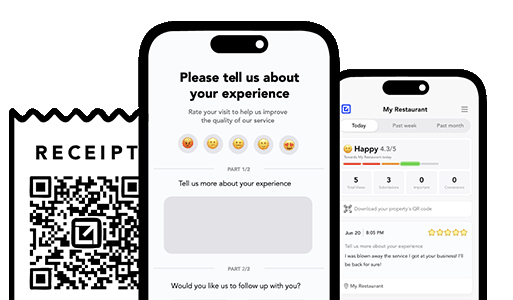
TLDR: Pest control retention isn’t improved by sending more messages—it’s improved by running a closed-loop follow-up system that catches dissatisfaction early and resolves it fast. Most software marketed as “follow-up” is really just texting, surveys, or review requests attached to a CRM. That helps a little, but it doesn’t prevent silent churn because it can’t route issues, enforce ownership, or confirm resolution. The best pest control follow-up software includes: one-tap post-visit check-ins, instant alerts for negative signals, an issue inbox with assignment and escalation rules, confirmation steps after follow-up visits, and renewal-focused workflows like pre-renewal check-ins and mid-cycle value reinforcement. This article gives a practical feature checklist, evaluation questions, and demo scenarios to compare tools without getting distracted by vanity features. It also explains how VisibleFeedback is structured around the full retention loop—so follow-ups, recovery, reminders, and review requests run consistently without office chaos.
The Problem With “Follow-Up Software” as a Category
If you search for pest control follow-up tools, you’ll find a mess of:
- CRMs/field service platforms with texting features
- marketing automation tools
- survey tools
- reputation management/review request tools
- generic ticketing systems
Those can all be useful. But retention comes from something more specific: a system that catches issues early, routes them correctly, and confirms resolution.
If a tool can send messages but can’t reliably handle unhappy responses, it will not meaningfully reduce churn.
The Retention Loop (What You’re Actually Buying)
Before comparing tools, define the outcome:
1) Post-visit check-in
2) Detect dissatisfaction quickly
3) Route to the right person
4) Schedule follow-up
5) Confirm improvement
6) Reinforce value between visits
7) Run pre-renewal check-ins to prevent silent churn
If your tool can’t run this loop, you’re buying a partial solution.
Feature Checklist: What Actually Drives Retention
1) One-Tap Check-Ins (High Response Rate)
Retention problems are often invisible. You need responses.
Look for:
- smiley/neutral/frown (or yes/no) check-ins
- minimal typing
- mobile-first experience
If it’s a long survey, response rates will be low and you’ll miss churn signals.
2) Job/Visit-Based Automation (Not One Generic Blast)
Pest control has different visit types:
- initial treatment
- follow-up visit
- quarterly service
- mosquito seasonal
- rodent-focused work
Your tool should trigger different check-in sequences by visit type.
Example:
- Day 2 check-in after every visit
- Day 7–10 “improving?” confirmation after initial treatment
- immediate confirmation after a follow-up visit
- seasonal reminders for mosquito plans
If a tool can’t differentiate, you’ll send the wrong message at the wrong time.
3) Instant Alerts for Negative Signals
A negative response is time-sensitive.
Look for:
- immediate notifications (text/email/app)
- severity flags (worse / heavy activity / spreading)
- routing rules (manager escalation triggers)
If negative signals sit in a dashboard, your response time will drift.
4) An Issue Inbox With Assignment (Ownership)
This is the biggest separator between “messaging tools” and retention systems.
You want:
- a single issue inbox
- one owner per issue
- assignment to dispatch/manager/tech
- a timeline of communication
- due times and reminders
Without ownership, you get the classic: “Yeah I saw that message… I thought someone else handled it.”
5) Statuses + Confirmation (Closed Loop)
Pest control problems are easy to “assume fixed.” That’s how churn happens.
Minimum statuses:
- New → Acknowledged → Scheduled → Completed → Confirmed
You need confirmation messages like:
- “Are you seeing improvement now? Yes/No”
If the tool can’t enforce confirmation, issues quietly linger until renewal.
6) Pre-Renewal Check-Ins (Silent Churn Prevention)
Most churn happens at renewal because dissatisfaction wasn’t surfaced earlier.
Look for:
- a 30–45 day pre-renewal check-in
- fast routing if the customer says “No, not going well”
- ability to schedule the next quarterly visit window
If your tool has no renewal workflow, you’ll keep losing customers you could have saved.
7) Mid-Cycle Value Reinforcement (Without Spam)
Quarterly plans feel invisible between visits.
Look for:
- one mid-cycle message that clarifies “you can reach us between visits”
- segmentation so unhappy customers don’t get marketing-style reminders
A good message:
Quick note — your plan includes help between visits. Reply with what/where if anything pops up.
8) Review Requests (Consistency Without Gating)
Reviews help acquisition, but done wrong they create drama.
Look for:
- consistent timing-based review invites (not rating-based gating)
- ability to send after confirmed resolution
- simple copy and direct review links
If a vendor pitches “we intercept bad reviews,” that’s a credibility smell.
9) Reporting That Mirrors Real Retention Outcomes
Ignore vanity dashboards. Track:
- check-in response rate
- negative response rate by visit type
- time to contact after negative response
- time to resolution/confirmation
- renewal rate (or plan cancellations) by cohort
If the tool can’t show those, you won’t know if it’s paying off.
What Most Tools Miss (Why Retention Doesn’t Improve)
Most tools do one of these:
- Send messages but don’t route issues
- Collect feedback but don’t create ownership
- Track tickets but don’t connect to customer communication
- Do reviews but ignore service recovery
- Automate marketing but don’t prevent cancellations
Retention requires a tight connection between: customer signals → operations actions → confirmed outcome.
The Demo Scenarios That Reveal the Truth
When evaluating any software, ask them to demo these scenarios live.
Scenario 1: “Bugs are back” after a quarterly visit
- customer responds “worse”
- alert fires instantly
- issue is assigned to the right person
- follow-up is scheduled
- resolution is confirmed
If they can’t do this smoothly, the tool won’t reduce churn.
Scenario 2: New customer (first 30 days)
- initial expectation message sent
- day 2 check-in goes out
- day 7–10 “improving?” confirmation
- negative response escalates to manager
- resolution confirmation closes loop
This is where churn is highest. The tool should handle it cleanly.
Scenario 3: Pre-renewal silent churn prevention
- 30–45 day pre-renewal check-in
- customer says “No”
- immediate routing + plan
- follow-up scheduled
- renewal becomes default outcome
If the tool doesn’t have this, you’ll keep losing quiet cancels.
Where VisibleFeedback Fits
VisibleFeedback is built around the retention loop rather than a single feature:
- one-tap post-visit check-ins
- instant alerts for negative signals
- issue inbox with assignment and escalation rules
- simple statuses and confirmation steps
- mid-cycle value reinforcement messages
- pre-renewal check-ins to prevent silent churn
- consistent review invites after confirmed outcomes
It’s not “send more texts.” It’s “run the loop consistently.”
Bottom Line
The best pest control follow-up software is the one that drives retention by closing the loop:
- high-response check-ins
- fast routing + ownership
- scheduling and follow-through
- confirmation
- renewal workflows
Most tools miss the recovery + confirmation part. That’s the part that keeps customers on plan.