2/12/2026
Electrician
How Electricians Can Prevent Bad Reviews Before They Happen
Most bad reviews for electricians come from the same 5 preventable problems. Here's how to identify and fix them before a frustrated homeowner opens Google.

TLDR: Bad electrician reviews are almost never about bad electrical work. They come from five specific communication failures: the customer didn’t understand the scope, the price felt like a surprise, they were left wondering if the work was safe, the mess wasn’t managed, or nobody followed up after the job. Each one is preventable with a simple process change.
You finished a panel upgrade on Tuesday. Clean work, up to code, everything tested and working. The homeowner thanked you. You moved on to the next job.
On Thursday, a one-star review shows up on Google:
“Electrician left and now my kitchen lights flicker when I turn on the microwave. Charged me $2,800 and didn’t even fix the real problem. Would not recommend.”
The flickering has nothing to do with the panel. It is a separate issue on an old circuit that was there before you arrived. But the homeowner does not know that. All they know is they paid almost three thousand dollars and something still feels wrong.
This is the pattern behind most bad electrician reviews. The work was fine. The communication was not.
Read enough one- and two-star reviews for electrical contractors and the same themes appear over and over. Rarely is the complaint about actual wiring quality — most homeowners cannot evaluate that. The complaints fall into five categories, and every one of them is preventable.
Electrical work is confusing for homeowners. They call because something is not working. You diagnose the issue, quote the fix, and do the work. But the customer often assumed “fix the electrical problem” meant “fix all the electrical problems.” When they discover that the outlet in the guest room still does not work — a completely separate issue from what they hired you for — they feel cheated.
How to prevent it:
Before starting any job, walk the customer through what you are going to do and, just as importantly, what you are not going to do. Be specific.
“I’m going to replace the breaker that’s tripping on your kitchen circuit. That will fix the outlets on this wall and the dishwasher. The outlet in the guest room is on a different circuit — that’s a separate issue I can look at if you’d like, but it’s not part of this repair.”
This takes 60 seconds. It eliminates the most common source of “they didn’t fix my problem” reviews.
Electricians hear this one constantly. The customer agreed to the quote, you did the work, and then they leave a review saying it was “way too expensive.” What happened?
Usually, the customer did not understand what they were paying for. They see a number — $1,200 to replace a subpanel — and they have no frame of reference. They Google “subpanel replacement cost” later, find a range of $500-$2,500, and decide they were overcharged.
How to prevent it:
Break the quote down so the customer understands the components. “The panel itself is about $350. Labor is $650 for approximately four hours of work, including pulling permits and the final inspection. Total is $1,200.”
When customers understand where the money goes, they rarely complain about price. When they see a single number with no context, they fill in the blanks themselves — and those blanks are never in your favor.
Also, if you find additional work during the job, stop and communicate before adding charges. “I found some aluminum wiring on this circuit that should be remediated. That’s an additional $400. Want me to handle it now, or would you prefer a separate quote?” Never surprise a customer with a higher bill than what they agreed to.
This is unique to electrical work. When a plumber fixes a leak, the customer can see that the leak stopped. When you replace a breaker or upgrade wiring, the customer sees… nothing. The panel looks the same. The outlets look the same. Everything is behind the wall.
That invisibility breeds anxiety. The homeowner starts wondering: Is the flickering light normal? Is that outlet supposed to be warm? Was that buzzing sound there before? Most of the time, everything is fine. But without reassurance, worry turns into doubt, doubt turns into a Google search for “is my wiring safe after electrician visit,” and that spiral can end in a bad review.
How to prevent it:
Before you leave, give the customer a clear picture of what to expect and what would actually be a concern.
“Everything is tested and working. You might notice a slight flicker when the HVAC kicks on — that’s normal and not related to the work we did today. If you see any sparking, smell burning, or a breaker trips more than once, call me directly and I’ll come back. But you should not see any of that.”
This does two things: it normalizes the minor things that would otherwise cause panic, and it gives the customer a clear line between “normal” and “call me.” That prevents both unnecessary callbacks and anxiety-driven bad reviews.
Electrical work can be disruptive. Cutting into walls, running wire through attics, shutting off power to parts of the house. Homeowners expect some disruption, but they do not expect to come home to drywall dust on their couch, boot prints on carpet, or an attic hatch left open.
The work itself might be excellent, but if the customer’s lasting memory is the mess you left behind, that is what shows up in the review.
How to prevent it:
This is straightforward: protect floors and furniture before you start, clean up before you leave, and walk the homeowner through the space when you are done.
“I patched the two holes in the drywall where we ran the new wire. They’ll need a skim coat and paint to match — I left the patch compound on the counter for you. Everything else is cleaned up.”
A customer who walks into a clean home after electrical work is genuinely impressed because they expected the opposite. That is the kind of experience that generates five-star reviews.
Most electricians finish the job, collect payment, and move on. No follow-up. No check-in. Nothing.
If everything is perfect, that is fine. But if the customer notices something — a tripping breaker, a flickering light, an outlet that seems dead — and they have no easy way to reach you, they do one of two things. They call the office and get voicemail (frustrating). Or they go straight to Google Reviews (worse).
How to prevent it:
A simple check-in message 24-48 hours after the job changes the entire dynamic. It does not need to be long:
“Hi [Name], just checking in after yesterday’s panel work. Everything running smoothly? If you have any questions or notice anything unusual, just reply to this message and I’ll take care of it.”
This message does three things. It shows the customer you care about the outcome, not just the invoice. It gives them a direct channel to reach you if something is off — which means they come to you instead of going to Google. And it opens the door for a review request if they respond positively.

Look at the five problems above. None of them are about the quality of the electrical work. They are all about communication — setting expectations, explaining costs, reassuring the customer, managing the physical space, and following up.
This is actually good news. It means you do not need to be a better electrician to prevent bad reviews. You need to be a better communicator at five specific moments:
Most electricians are already strong at two or three of these. The bad reviews come from whichever ones they skip.
Knowing the five prevention points is one thing. Actually doing them consistently, across every job, with every technician — that is the hard part.
If you are a solo electrician doing 3-5 jobs per day, you can probably manage it with discipline. Have a mental checklist: scope walkthrough, price breakdown, exit walkthrough, cleanup check, follow-up text.
If you have a team, it gets harder. You cannot be at every job, and not every technician communicates the same way. Some are great with customers. Others are great with wiring but awkward with people.
For the pre-job and on-site steps (1-4), the fix is training and process. Create a simple checklist for technicians. Make the scope walkthrough and exit walkthrough part of the job completion process, not optional extras.
For step 5 — the follow-up — automation is the most reliable approach. A tool like VisibleFeedback can send a check-in message automatically after every completed job. The customer gets a quick “How did the job go?” touchpoint, any issues surface before they become public, and satisfied customers get an easy path to leave a review. It runs in the background, so it does not depend on anyone remembering to send a text.
The combination of a trained team handling steps 1-4 and automated follow-ups handling step 5 is what separates electricians with 4.9-star ratings from electricians with 3.8-star ratings. The wiring quality is often identical. The communication system is not.
Even with the best prevention system, bad reviews will happen occasionally. A customer has a bad day. A miscommunication slips through. A technician forgets the cleanup on a long Friday job.
When it happens:
Respond within 24 hours. A bad review without a response looks like you do not care. A bad review with a professional response shows future customers how you handle problems.
Acknowledge the experience. Do not argue about facts in a public reply. “I’m sorry your experience didn’t meet expectations” is a starting point, not an admission of fault.
Move it offline. “I’d like to understand what happened and make this right. Could you call or text me directly at [number]?” This shows anyone reading the review that you take feedback seriously.
Fix the actual issue. If the complaint is legitimate, fix it. If the customer was confused about scope, offer to explain or address the remaining issue at a discounted rate. Many customers will update their review after a good resolution.
The math on reviews works in your favor over time. A business with 100 reviews at 4.7 stars is far more trustworthy than one with 8 reviews at 5.0. A few negatives, handled well, actually build credibility.
Print this and keep it in your truck or give it to your technicians:
Before the job:
During the job:
Before you leave:
After the job:
Track two numbers each month:
Review sentiment ratio — For every negative review, how many positive ones do you have? A healthy ratio is at least 10:1. If you are below 5:1, one or more of the five prevention points is being missed consistently.
Callback rate — How often are customers calling back within 7 days of a completed job? A high callback rate usually means step 3 (exit walkthrough and expectation-setting) is weak. Customers are calling because they are unsure if something is normal, not because something is actually wrong.
If your review sentiment ratio improves and your callback rate drops, you are preventing bad reviews at the source — not just chasing good ones to bury the bad.
Bad electrician reviews are almost never about bad electrical work. They are about customers who felt confused, surprised, anxious, disrespected, or ignored. Every one of those feelings is preventable with clear communication at five specific moments in the job lifecycle.
You do not need a marketing team or a reputation management service. You need a scope walkthrough before you start, an honest quote breakdown, a reassuring exit conversation, a clean workspace, and a follow-up check-in after the job.
Do those five things consistently and the reviews take care of themselves.
Austin Spaeth is the founder of VisibleFeedback, a follow-up and retention tool built for service businesses. He writes about customer retention, reputation management, and repeat revenue for small service companies.
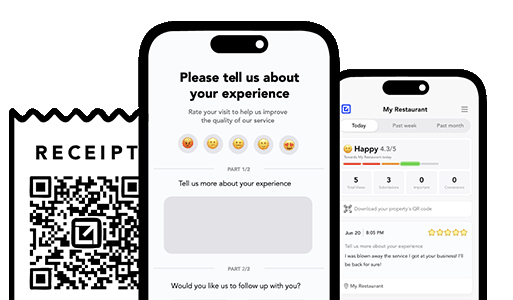
Text or email clients after every job. Catch issues early, recover unhappy clients fast, and drive repeat work with smart reminders.

Austin Spaeth is the founder of VisibleFeedback, a tool that helps service companies automate post-job follow-ups, catch issues early, and drive repeat work with smart reminders. With a background in software development and a focus on practical customer retention systems, Austin built VisibleFeedback to make it easy to text or email customers after every job, route problems to the right person, and keep relationships strong without awkward outreach. When he’s not building new features or writing playbooks for service businesses, he’s wrangling his six kids or sneaking in a beach day.
Whether you’re dealing with callbacks, unhappy customers, or low repeat work, we’ll help you tighten the follow up loop.
No credit card required.
