2/2/2026
HVAC
How Smart HVAC Companies Use Automated Reminders to Drive Repeat Revenue
HVAC companies leave thousands on the table by not reminding past customers to come back. Here are the four reminders every HVAC company should automate.

TLDR: Nearly every service job creates a future need — annual maintenance, seasonal re-service, warranty checks, preventive inspections. Your past customers are the warmest leads you’ll ever have. A well-timed reminder converts at 5-10x the rate of cold outreach. This guide provides the complete playbook: timing, scripts, revenue math, and automation for every trade.
Here’s a question most service business owners can’t answer:
How many of last year’s customers have a service need right now that they haven’t acted on?
The answer, in most businesses, is: a lot. Possibly the majority.
These customers aren’t calling you. Not because they’re unhappy — because they’re busy. They haven’t thought about it. And they won’t think about it until the problem returns, at which point they might call you — or they might just Google “near me” and call whoever shows up first.
That’s the revenue leak: past customers with real needs who never hear from you again.
A reminder closes that leak.
Let’s compare reminder-driven revenue to other acquisition channels:
| Channel | Audience | Trust level | Conversion rate | Cost per lead |
|---|---|---|---|---|
| Google Ads | Strangers | Zero | 2-5% | $30-$150+ |
| SEO / organic | Strangers | Low | 3-8% | Time + content |
| Door hangers / mailers | Neighbors | Very low | 0.5-2% | $0.50-$2.00 each |
| Referrals | Warm introductions | Medium | 15-30% | Variable |
| Reminders to past customers | Known, served, satisfied | High | 20-40% | ~$0 (automated) |
Past customers have already:
All they need is a nudge. The reminder is the nudge.
Every trade has different reminder opportunities. Here’s the complete map:
| Reminder | Timing | Why |
|---|---|---|
| Annual drain maintenance | 10-12 months after clearing | Buildup returns; prevent emergency clogs |
| Water heater flush | 12 months after install/service | Sediment buildup reduces efficiency |
| Sump pump check | Pre-spring (February-March) | Ensure readiness before snowmelt/rain season |
| Pipe insulation check | Pre-winter (October-November) | Prevent frozen/burst pipes |
| Water softener service | 12 months after install | Maintain performance, prevent mineral buildup |
Revenue per reminder conversion: $150-$500+ per job
| Reminder | Timing | Why |
|---|---|---|
| Panel inspection | 12-24 months after upgrade | Verify connections, check for loose points |
| Smoke/CO detector replacement | Every 10 years (or battery check annually) | Safety compliance, easy upsell |
| Generator maintenance | Annually (pre-storm season) | Ensure readiness, test transfer switch |
| Outdoor lighting seasonal check | Spring (March-April) | Winter damage, bulb replacement |
| Surge protector inspection | 12 months after install | Verify protection is still active |
Revenue per reminder conversion: $100-$400+ per job
| Reminder | Timing | Why |
|---|---|---|
| Spring AC tune-up | March-April | Pre-summer prep |
| Fall heating tune-up | September-October | Pre-winter prep |
| Filter replacement reminder | Every 60-90 days | Air quality + efficiency |
| Duct cleaning | Every 3-5 years | Air quality, efficiency |
| Warranty check-in | Before warranty expiration | Upsell maintenance plan |
Revenue per reminder conversion: $100-$300 per tune-up; $500+ for maintenance plans
| Reminder | Timing | Why |
|---|---|---|
| Post-storm inspection | After major weather events | Catch damage early |
| Annual roof inspection | 12 months after install/repair | Warranty compliance, early detection |
| Gutter cleaning | Fall (October-November) + Spring (March-April) | Prevent water damage |
| Flashing/sealant check | Every 2-3 years | Prevent leaks at penetration points |
Revenue per reminder conversion: $150-$500 per inspection; gutter cleaning is a high-conversion seasonal add-on
| Reminder | Timing | Why |
|---|---|---|
| Spring cleanup | February-March | Clear winter debris, prep beds |
| Seasonal mowing contract | March (pre-season booking) | Lock in recurring weekly revenue |
| Fall cleanup | October-November | Leaf removal, winterizing |
| Mulch refresh | Spring (April-May) | Annual aesthetic maintenance |
| Irrigation winterization | October-November | Prevent pipe damage |
| Irrigation spring startup | March-April | Ensure system works for the season |
Revenue per reminder conversion: $100-$500 per service; seasonal contracts are $1,000-$3,000+
| Reminder | Timing | Why |
|---|---|---|
| Quarterly re-treatment | Every 3 months | Maintain barrier |
| Pre-spring treatment | February-March | Prevent spring emergence |
| Pre-winter exclusion | October-November | Seal entry points before pests seek warmth |
| Termite inspection | Annually | Catch damage early |
Revenue per reminder conversion: $100-$300 per treatment; annual contracts are $400-$1,200
| Reminder | Timing | Why |
|---|---|---|
| Deep clean scheduling | Quarterly or seasonally | Maintain quality between regular cleanings |
| Post-event cleanup | After holidays, parties, etc. | Time-sensitive opportunity |
| Spring deep clean | March-April | High-demand seasonal service |
| Carpet/upholstery refresh | Every 6-12 months | Maintain appearance and hygiene |
Revenue per reminder conversion: $150-$500 per deep clean
Not all reminders are equal. The difference between a message that converts at 5% and one that converts at 30% comes down to five elements:
Bad: “It’s time for your annual maintenance!” Good: “Hi Sarah — it’s been about 12 months since we installed your water heater. Time for a quick flush to keep it running efficiently.”
Bad: Sending an HVAC tune-up reminder in July (they’re already sweating) Good: Sending in March-April (they’re thinking ahead, not panicking)
The sweet spot is 2-4 weeks before the service is needed. Early enough to plan, close enough to feel relevant.
Bad: “Schedule your annual service!” Good: “A quick drain flush prevents buildup that causes emergency clogs later. Most homeowners save $300-$500 in emergency repairs by doing this once a year.”
Give them the benefit, not just the task.
Bad: “Call our office at (555) 123-4567 between 8 AM and 5 PM to schedule.” Good: “Want us to get you on the calendar? Reply YES and we’ll schedule you.”
Reduce friction to zero. The customer is on their phone. Let them reply from their phone.
Bad: “DON’T WAIT — slots are filling up fast! Book NOW!” Good: “We’re starting to book spring tune-ups. Want us to put you on the schedule? No rush — just reply whenever you’re ready.”
Past customers aren’t cold leads. You don’t need urgency tactics. You need friendly, professional nudges.

Here’s a complete 12-month reminder calendar for a multi-service company. Adapt the services to your trade:
| Month | Reminder | Target audience |
|---|---|---|
| January | “New year check-in — anything on your home maintenance list?” | All past customers |
| February | Sump pump / pre-spring pest treatment / irrigation startup | Plumbing, pest control, landscaping |
| March | Spring tune-up (HVAC) / spring cleanup (landscaping) / annual roof inspection | HVAC, landscaping, roofing |
| April | Outdoor lighting check / mulch refresh / pest barrier | Electrical, landscaping, pest control |
| May | AC check before summer / gutter inspection | HVAC, roofing |
| June | Mid-year check-in / pest re-treatment | All trades, pest control |
| July | Generator pre-test (pre-storm season) / irrigation check | Electrical, landscaping |
| August | “Is your AC keeping up?” maintenance push | HVAC |
| September | Fall HVAC tune-up / pre-winter plumbing prep | HVAC, plumbing |
| October | Fall cleanup / gutter cleaning / pest exclusion / irrigation winterization | Landscaping, roofing, pest control |
| November | Pipe insulation / pre-winter roof check / furnace ready? | Plumbing, roofing, HVAC |
| December | Holiday deep clean / end-of-year check-in | Cleaning, all trades |
The beauty of this calendar: it creates 4-6 touchpoints per year per customer without being overwhelming. Each one is relevant, seasonal, and directly tied to a service they actually need.
Let’s model reminder revenue for a service business with 500 past customers in their database.
| Variable | Value |
|---|---|
| Past customers in database | 500 |
| Reminders sent per year (per customer) | 4 |
| Open/read rate | 70% (SMS) |
| Conversion rate (book a service) | 15% |
| Average job value | $200 |
Calculation:
| Variable | Value |
|---|---|
| Conversion rate | 25% |
| Average job value | $300 |
This is revenue that doesn’t require advertising, doesn’t require new lead generation, and doesn’t require convincing strangers to trust you. It comes from people who already paid you and were happy.
Reminders work best when they’re part of a broader customer communication system — not a standalone marketing tactic.
Here’s how they connect to the feedback loop:
Job 1 → Follow-up → Positive feedback → Review → Customer is satisfied
    ↓
Reminder (6-12 months later) → Job 2 → Follow-up → Positive → Review
    ↓
Reminder → Job 3 → Follow-up → Positive → Review + Referral
    ↓
[Multi-year customer with 3+ jobs, 3+ reviews, and referrals]
The follow-up system ensures satisfaction after each job. The reminder system ensures they come back for the next one. Together, they create a customer lifecycle that generates revenue, reviews, and referrals — compounding over years.
The post-job follow-up guide covers the first half (making sure each job ends well). This playbook covers the second half (making sure the customer comes back).
Not every reminder converts immediately. Some customers will respond with:
Here’s how to handle each:
“Not right now”:
“No problem at all! We’ll check back in a couple months. If anything comes up before then, just reply here.”
Then schedule a follow-up reminder in 60-90 days. Don’t push.
“How much?“:
“Great question — [price range or specific price]. Want us to get you on the calendar?”
Answer directly. No “call for a quote” runaround. The customer asked via text — answer via text.
No response: Log it. Don’t send a follow-up to the same reminder. Include them in the next seasonal reminder naturally. Some people don’t respond to texts but will respond to the next relevant touchpoint.
The key principle: reminders are offers, not obligations. The customer should always feel like you’re being helpful, not persistent.
Customers who rebook through reminders are your most loyal segment. They’ve now:
These customers are primed for referrals.
After their second or third service, add a referral touchpoint:
“Thanks for trusting us again! If any neighbors or friends need [service type], we’d love to help. You can just share this link or give them our number: [contact info].”
Keep it simple. No referral codes. No complicated reward systems. Just make it easy for them to share your name.
VisibleFeedback combines the follow-up loop and the reminder system into one automated platform:
The result: your past customer database stops being a static list and becomes an active revenue engine. Every customer who was happy with Job 1 gets a reminder for Job 2 at exactly the right time — without anyone in your office managing a calendar or sending manual texts.
Try VisibleFeedback free and see what happens when your past customers start booking again — automatically, month after month.
Every completed service job is a seed for future revenue. The water heater you installed will need a flush. The AC you tuned will need a tune-up next year. The landscape you planted will need seasonal care. The pest treatment will wear off.
Your past customers already trust you. They already know your quality. They already have your company somewhere in their memory. All they need is a reminder.
The businesses that send reminders don’t scramble for new customers every month. They start each season with a pipeline full of warm leads who reply “YES” to a text message — because you were the company that stayed in touch.
Stop treating past customers as completed transactions. Start treating them as the recurring revenue engine they already are.
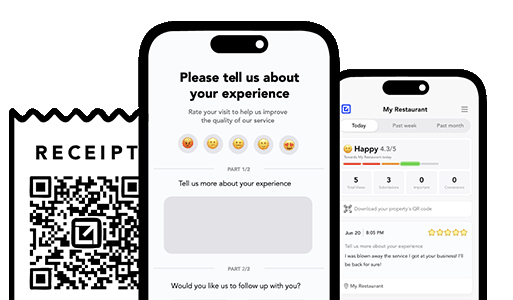
Text or email clients after every job. Catch issues early, recover unhappy clients fast, and drive repeat work with smart reminders.

Austin Spaeth is the founder of VisibleFeedback, a tool that helps service companies automate post-job follow-ups, catch issues early, and drive repeat work with smart reminders. With a background in software development and a focus on practical customer retention systems, Austin built VisibleFeedback to make it easy to text or email customers after every job, route problems to the right person, and keep relationships strong without awkward outreach. When he’s not building new features or writing playbooks for service businesses, he’s wrangling his six kids or sneaking in a beach day.
Whether you’re dealing with callbacks, unhappy customers, or low repeat work, we’ll help you tighten the follow up loop.
No credit card required.
