2/2/2026
HVAC
How Smart HVAC Companies Use Automated Reminders to Drive Repeat Revenue
HVAC companies leave thousands on the table by not reminding past customers to come back. Here are the four reminders every HVAC company should automate.

TLDR: Callbacks don’t usually happen because your team is incompetent. They happen because small issues slip through: expectations weren’t set, a minor defect shows up later, the customer thinks “it’s still not working,” or they don’t know who to contact. The fix is a simple 3-part system: (A) techs set expectations before leaving, (B) you send a short 24-hour check-in (SMS/email) with a one-tap response, and (C) you run a fast recovery workflow for any “Okay” or “Not good” replies. This article gives the exact step-by-step process, copy/paste templates, simple escalation rules, a lightweight tracking method (New → Contacted → Scheduled → Resolved → Confirmed), and only three metrics that matter: callback rate, time-to-contact for negative replies, and percent confirmed resolved. You can implement this today without any software—and if you want it automated, VisibleFeedback can run the entire loop for you.
Callbacks usually come from small, preventable gaps:
Most callback reduction is not technical. It’s workflow + response time.
Your tech should say a short, consistent script before they leave. Not a lecture. Just clarity.
Have techs say:
Example phrasing:
The follow-up should be:
The goal isn’t “feedback.” The goal is early detection.
If someone replies negatively, your job is not to debate. Your job is to:
That’s what prevents “small issue → angry customer → repeated callbacks.”
This balances “fresh in their mind” with “they’ve used it once.”
You want a response that requires no typing.
Rule: call fast. Negative responses are time-sensitive.
Goal: turn a complaint into a plan.
“Okay” means “something is slightly off” or “I’m not sure.”
Ask one question:
Then offer a callback:
A “Great” response is your confirmation signal.
If you’re going to ask for reviews, do it later and do it consistently (and to everyone), as covered in your review article.
Quick check after today’s repair — how’s everything working now?
Great / Okay / Not good
If “Okay”:
Thanks — what’s the one thing that’s not perfect? If you want, we can call you today to make sure it’s handled.
If “Not good”:
Thanks for telling us — we’ll take care of it. We’re going to call you shortly to get this fixed.
Quick check after today’s install — is everything working the way you expected?
Great / Okay / Not good
If “Okay”:
Got it — what’s the one thing you’re unsure about? Want us to call you today to walk through it or schedule a quick adjustment?
If “Not good”:
Understood — we’ll make this right. We’re going to call you shortly and schedule the next step.
Subject: Quick check after your service
Hi [Name],
Quick check after your service today — how’s everything working now?
Reply with: Great, Okay, or Not good.
If it’s not perfect, reply with the main issue (and a photo if helpful). We’ll take care of it quickly.
Thanks,
[Signature]
Thanks for letting us know — we’ll take care of it. Can you tell me what you’re seeing and where? If it’s easier, reply with a photo. We can also call you within the next hour.
Keep it calm. Keep it direct.
Quick confirmation — is everything fixed and working properly now? Yes/No
If No:
Thanks — what’s still happening? We’ll schedule the next step today.
This “confirm” step is where most teams fail. They assume. Customers remember.
Keep the rules minimal and enforceable:
Safety-related examples depend on industry, but if a customer uses words like:
You don’t need software to start. Use a sheet, a simple board, or your CRM notes.
Rule:
Don’t drown in dashboards. Track these three:
1) Callback rate
(Callbacks ÷ total jobs) over a weekly/monthly window
2) Time-to-contact for negative responses
Median minutes (not average)
3) % confirmed resolved
Confirmed ÷ total issues created
If time-to-contact drops and confirmed resolved rises, callback rate usually drops.
If you want this automated (texts/emails, instant alerts, issue tracking, and confirmation steps), try VisibleFeedback free and run the full follow-up loop without adding office chaos. It’s the same system above—just automated, tracked, and consistent across every job.
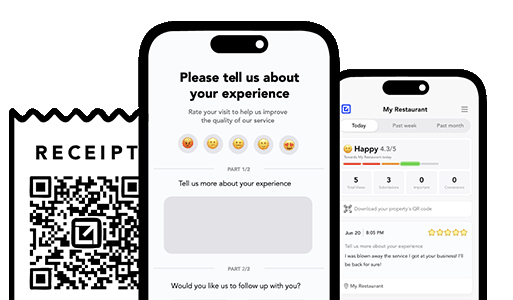
Text or email clients after every job. Catch issues early, recover unhappy clients fast, and drive repeat work with smart reminders.

Austin Spaeth is the founder of VisibleFeedback, a tool that helps service companies automate post-job follow-ups, catch issues early, and drive repeat work with smart reminders. With a background in software development and a focus on practical customer retention systems, Austin built VisibleFeedback to make it easy to text or email customers after every job, route problems to the right person, and keep relationships strong without awkward outreach. When he’s not building new features or writing playbooks for service businesses, he’s wrangling his six kids or sneaking in a beach day.
Whether you’re dealing with callbacks, unhappy customers, or low repeat work, we’ll help you tighten the follow up loop.
No credit card required.
