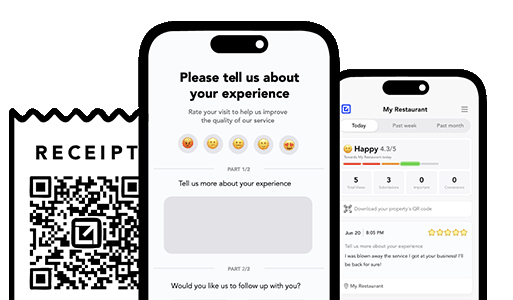
TLDR: Pest control renewal churn is usually silent: customers don’t complain, they just cancel when the plan renews because they don’t feel progress, they forget the value, or a small frustration never got resolved. The fix is a simple renewal retention process that starts right after each visit: expectation setting, one-tap post-visit check-ins, fast handling of negative responses, and periodic ‘value reinforcement’ messages that remind customers they can reach out between visits. Then, 30–45 days before renewal, you run a short pre-renewal check-in to surface any unresolved issues and lock in the next visit schedule. This article gives an operational workflow (statuses, ownership, escalation rules), timing cadences for quarterly plans, scripts for SMS/email, and a clean way to handle ‘thinking of canceling’ conversations without sounding desperate. It also shows how VisibleFeedback automates the check-ins, routes issues into recovery, and tracks resolution until customers confirm they’re satisfied—so renewals become the default.
The Real Reason Customers Don’t Renew: Silent Churn
Most pest control companies learn about churn at the worst time: when the customer cancels.
That’s because a lot of customers don’t complain. They just decide:
- “I’m still seeing bugs sometimes.”
- “I don’t know what I’m paying for.”
- “Scheduling is annoying.”
- “I felt brushed off once.”
They won’t write a long email about it. They’ll just cancel.
Renewal retention is the process of turning silent dissatisfaction into a recoverable conversation before renewal.
The Renewal Retention System (One Workflow, Not Random Texts)
Here’s the system that keeps customers on plan:
1) After every visit: expectation setting
2) After every visit: one-tap check-in (next day)
3) If negative: recovery workflow with clear ownership + fast scheduling
4) Between visits: value reinforcement (“reply if anything pops up”)
5) 30–45 days pre-renewal: check-in + schedule next visit
6) Renewal time: simple confirmation, not a desperate pitch
The important point:
- renewals are the result of consistent service follow-through, not a clever renewal email.
Step 1: Set Expectations After Each Visit
This prevents the most common churn trigger: “I still saw activity.”
Same-day expectation SMS (copy/paste)
Thanks again, [Name] — we completed your service today.
What to expect: you may see some activity as pests are affected, and improvement is usually gradual.
If you see heavy activity or it’s not improving, reply here and we’ll help quickly.
This is not an excuse. It’s a clarity message.
Step 2: Next-Day One-Tap Check-In (High Response, Low Friction)
The check-in is the churn detector.
SMS
Quick 2-second check after your visit: how’s everything looking?
🙂 Great 😐 Okay 🙁 Not good
If neutral/negative:
Thanks — what are you still seeing most?
Ants / Roaches / Spiders / Rodents / Mosquitoes / Other
Then:
And where are you seeing it most?
Kitchen / Bathrooms / Garage / Yard / Other
This gives your office enough to act without making the customer do work.
Step 3: Recovery Workflow (So Negatives Don’t Become Cancellations)
If you ask for feedback but don’t recover fast, you create churn.
Use a simple status flow:
- New → Acknowledged → Scheduled → Completed → Confirmed
Rules:
- every negative gets an owner immediately
- every open issue gets a next action + due time
- “resolved” requires customer confirmation
Acknowledgement (SMS)
Thanks for telling us — we’ll take care of it. I’m going to ask one quick question and then we’ll get a plan in place today.
Plan (SMS)
Got it. We’ll schedule a follow-up for [day/time window] and focus on [pest] in [area]. I’ll check in after to confirm improvement.
Confirmation (2 days after follow-up)
Quick check — are you seeing improvement now?
Yes / No
If No:
Thanks — what are you still seeing and where? We’ll schedule the next step.
The goal is: you never leave a customer feeling like they’re stuck.
Step 4: Between-Visit “Value Reinforcement” (Without Marketing Vibes)
Quarterly plans churn when customers think support only happens at visits.
Send one short message mid-cycle (around 4–6 weeks after a quarterly service):
SMS (mid-cycle)
Quick note, [Name] — your plan includes help between visits. If anything pops up, reply with what/where and we’ll take care of it.
This message reduces cancellations because it changes the customer’s mental model: “I don’t have to wait until the next visit.”
Step 5: Pre-Renewal Check-In (30–45 Days Before Renewal)
This is where you prevent silent churn.
The goal is not “sell the renewal.” The goal is:
- surface any dissatisfaction
- fix it
- schedule the next visit so the plan feels active
SMS (pre-renewal)
Hey [Name] — quick check before your plan renews next month: is everything going smoothly?
Yes / No
If No:
Thanks for telling us — what should we address?
Activity / Scheduling / Communication / Other
Then:
Got it. We’ll get this handled and follow up with a plan today.
Optional: schedule next visit
Also, want us to reserve your next quarterly service window now so you don’t have to think about it?
This feels like customer care, not a pitch.
Step 6: Renewal-Time Message (Simple, Not Desperate)
If you’ve done the steps above, renewal time is easy.
SMS (renewal time)
Heads up, [Name] — your pest plan renews on [date]. If you have any questions or want to adjust anything, reply here.
This avoids sounding like you’re begging them to stay.
What Most Companies Get Wrong About Renewals
- They wait until renewal time. Too late.
- They spam reminders. Annoys customers, increases churn.
- They don’t recover fast. One unresolved issue can cancel a year of revenue.
- They don’t confirm resolution. They assume the customer is fine.
If you fix only one thing: confirm resolution. That’s where trust is built.
Handling “I’m Thinking of Canceling” (The Only Script You Need)
Don’t argue. Don’t discount immediately. Diagnose.
Script
I understand. Before you cancel, can I ask one question—what’s the main reason?
Is it results, scheduling, communication, or something else?
Then:
Thanks. We can fix that. Here’s what we’ll do next: [plan]. If we do that, would you be comfortable staying on the plan?
This is direct, not needy. It also forces the conversation into specifics.
The Metrics That Prove You’re Reducing Silent Churn
Track these:
- response rate to post-visit check-ins
- negative response rate (by pest type and service type)
- time to contact after a negative response
- % of negatives that reach “Confirmed”
- renewal rate for customers who had an issue but got fast recovery
If your “time to contact” drops and your “confirmed recovery” rate rises, renewals follow.
How VisibleFeedback Supports Renewal Retention
VisibleFeedback is designed around the exact loop that prevents silent churn:
- automated post-visit one-tap check-ins (high response rates)
- instant alerts on negative signals
- issue tracking with a simple status flow until confirmed
- mid-cycle value reinforcement reminders that don’t feel spammy
- pre-renewal check-ins that surface issues early
- a timeline per customer so nothing slips
The outcome is simple: customers renew because they feel taken care of.
Bottom Line
Renewal retention is not a renewal email. It’s a process:
- set expectations after visits
- check in with one tap
- recover fast when needed
- confirm improvement
- check in before renewal to catch silent dissatisfaction
- keep messaging short and helpful
Run that, and renewals become the default instead of a scramble.