TLDR: Most pest control companies lose 20-30% of their customer base every year — not because treatments don’t work, but because there’s zero communication between visits. When a customer sees pests after treatment and doesn’t know re-treatment is covered, they cancel. That silent defection costs $600-$1,200 per customer per year. For an 800-customer pest control company, post-treatment follow-ups conservatively generate $36,800 in annual value: $10,000 from reduced churn, $4,000 in avoided acquisition costs, $10,000 from catching at-risk customers early, and $12,800 from upsell opportunities. Add renewal reminders and that’s another $10,000 in recovered revenue from treatments that would have been missed. At $65-$100/month for a follow-up tool, the ROI is 30:1 or better. The key is automation — a tech finishing 8-12 stops per day doesn’t have time to type follow-up texts manually.
A pest control tech finishes a quarterly treatment at a residential property. He notes the service on his tablet, drives to the next stop, and that customer doesn’t hear from the company again until 90 days before the next treatment — maybe. In between, the homeowner notices ants in the kitchen. They assume the treatment didn’t work. They don’t call you. They call someone else.
That silent defection just cost your company $600-$1,200 in annual revenue. And it was entirely preventable with a $0 follow-up message.
Pest Control Has a Follow-Up Problem
The pest control industry has something most service trades would kill for: naturally recurring revenue. Quarterly treatments, annual contracts, seasonal services. A single residential customer is worth $400-$1,200 per year depending on your market and services. A commercial account can be $2,000-$10,000+.
But here’s the painful reality: most pest control companies lose 20-30% of their customer base every year. Not because the treatments don’t work — because the communication between treatments is nonexistent.
Think about it from the customer’s perspective. They pay $125 for a quarterly spray. The tech comes, spends 15-20 minutes, and leaves. Two weeks later, the customer sees a couple of spiders in the garage. Are they going to:
(a) Call you and ask if that’s normal, or (b) Quietly decide your service isn’t working and cancel before the next renewal?
Without a follow-up, most choose (b). With a follow-up, most choose (a) — because you gave them an easy way to tell you.

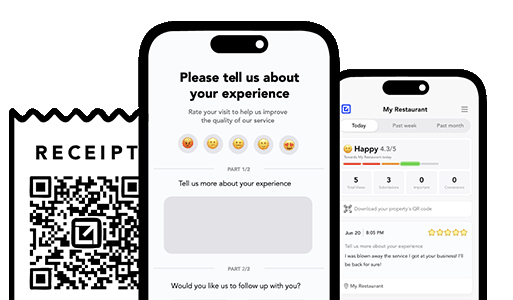
Automate follow ups after every job
Catch issues early and drive repeat work with smart reminders.
The Math: What One Follow-Up Is Actually Worth
Let’s build this out with real numbers for a mid-size pest control company.
Company profile:
- 800 active residential customers
- Average annual value per customer: $500 (quarterly treatments)
- Current annual churn rate: 25% (200 customers lost per year)
- Cost to acquire a new customer: $150-$250 (marketing, sales, first treatment discount)
Annual revenue at risk from churn: 200 customers x $500 = $100,000/year lost
Cost to replace those 200 customers: 200 x $200 average acquisition cost = $40,000 in marketing spend just to stay flat.
Now, what happens when you add a follow-up after every treatment?
Scenario: Post-Treatment Follow-Up
After every quarterly treatment, the customer gets a message within 48 hours: “Hi [Name], we treated your property on Tuesday. If you notice any pest activity in the next two weeks, let us know — a return visit is included in your plan. Otherwise, we’ll see you next quarter.”
This message costs essentially nothing to send. What it does:
1. Reduces preventable cancellations. Customers who see pests after treatment and don’t know they can request a re-treat are the most likely to cancel. The follow-up tells them re-treatment is covered. Industry data from pest control associations suggests that companies with consistent post-treatment communication see 10-15% lower churn rates.
Let’s use a conservative 10% reduction. Your churn drops from 25% to 22.5%. That’s 20 fewer customers lost per year.
- Revenue saved: 20 customers x $500 = $10,000/year
- Acquisition costs avoided: 20 x $200 = $4,000/year
- Total value of reduced churn: $14,000/year
2. Catches service issues before they become cancellations. Some follow-up responses will be negative — “Actually, we’re still seeing roaches in the kitchen.” That feels bad. It’s actually great. You now know about a problem you can fix with a quick re-treatment instead of losing a $500/year customer who tells three neighbors your service doesn’t work.
If your follow-up catches even 5 problems per quarter that would have become cancellations, that’s 20 saved customers per year — another $10,000 in retained revenue.
3. Creates upsell opportunities. A follow-up response like “Treatment went great, but we’re wondering about the mice in our attic” is a warm lead for rodent control. Customers who engage with follow-ups are far more likely to add services.
If 2% of follow-up responses lead to service upgrades averaging $200/year, and you’re sending 3,200 follow-ups per year (800 customers x 4 quarterly treatments): 64 upgrades x $200 = $12,800/year in upsell revenue.
Total Annual Value of Post-Treatment Follow-Ups
| Value Driver | Annual Impact |
|---|
| Reduced churn (retained revenue) | $10,000 |
| Acquisition costs avoided | $4,000 |
| Saved-at-risk customers (caught problems) | $10,000 |
| Upsell from follow-up engagement | $12,800 |
| Total | $36,800/year |
For a tool that costs $65-$100/month ($780-$1,200/year), that’s a 30:1 return on the conservative end.
The Repeat Revenue Multiplier
Follow-ups get even more valuable when you add renewal reminders into the mix.
The biggest revenue leak in pest control isn’t losing customers to competitors — it’s customers who simply forget to renew. They meant to keep their quarterly service. Life got busy. They never scheduled the next treatment. By the time they think about it, they’ve been pest-free for six months and figure they don’t need it anymore.
An automated reminder 2-3 weeks before the next treatment is due — “Your quarterly treatment is coming up. Want us to schedule the same day and time?” — eliminates this leak.
Companies that send renewal reminders typically see 15-25% higher renewal rates compared to those that wait for customers to call and schedule. For our 800-customer pest control company, even a 10% improvement in renewal follow-through means:
- 80 additional treatments that would have been missed
- At $125 per treatment = $10,000 in recovered revenue per year
Beyond the Numbers: The Referral Effect
There’s a value that’s harder to quantify but very real. Customers who receive consistent, professional follow-ups refer more business.
Think about what you’re signaling with a post-treatment check-in. You’re saying: “We care about whether this worked.” That’s rare in pest control. Most companies do the treatment and disappear. When a neighbor asks “Who do you use for pest control?”, the company that follows up is the one they remember and recommend.
Pest control companies with strong follow-up systems report that referral rates increase alongside retention. If follow-ups generate even 5 additional referrals per year at $500 lifetime value each, that’s another $2,500 — with zero acquisition cost.
What This Looks Like in Practice
The best-performing pest control companies aren’t sending these messages manually. A tech finishing 8-12 stops per day doesn’t have time to type follow-up texts. The office staff is busy scheduling and handling inbound calls.
The system needs to be automatic:
- Tech completes treatment — marks the job done in the FSM system
- Follow-up sends within 48 hours — checks in on the treatment, reminds about re-treatment coverage
- Customer responds — feedback goes to a central inbox where the office can triage
- Negative feedback triggers action — re-treatment scheduled before the customer considers canceling
- Positive feedback triggers review request — “Glad it went well! Would you mind leaving us a Google review?”
- Renewal reminder sends before next treatment — automated, no manual tracking
The total time investment to set this up is a few hours. After that, it runs without anyone touching it.
Key Takeaways
- A single pest control customer is worth $500-$1,200/year in recurring revenue — losing them silently is expensive
- Post-treatment follow-ups reduce churn, catch problems early, and create upsell opportunities
- Conservative estimates put the annual value of follow-ups at $36,800+ for an 800-customer company
- Renewal reminders recover an additional $10,000+ in treatments that would have been missed
- The ROI on a follow-up tool ($65-$100/month) is 30:1 or better
- The system must be automated — manual follow-ups don’t survive the reality of daily pest control operations
VisibleFeedback automates post-treatment follow-ups and renewal reminders for pest control companies. See how much recurring revenue you might be leaving on the table — set up takes about 10 minutes.