TLDR: Pest control cancellations usually don’t happen because customers hate the idea of recurring service—they happen because customers feel ignored, confused, or unconvinced it’s working. Pest control is inherently ambiguous: results can be gradual, activity can increase briefly after treatment, and customers often don’t know what ‘normal’ looks like. If nobody checks in, small doubts turn into frustration, then a cancellation at the first renewal or billing cycle. A short post-visit check-in fixes that. It turns silent dissatisfaction into a recoverable conversation, sets expectations, and gives customers a clear path to help between visits. This article explains why check-ins work, the exact timing to use after treatments and quarterly visits, scripts for SMS and email, and a simple recovery workflow so negative responses don’t slip. It also shows how VisibleFeedback helps automate one-tap check-ins, route issues to the right person, and track resolution—so retention improves without adding office chaos.
Why Pest Control Customers Cancel (It’s Usually Not Price)
When customers cancel a recurring pest plan, they often say “cost,” but the real reason is usually one of these:
- They don’t feel progress (“I still saw bugs.”)
- They don’t understand the process (expectations were never set)
- They had one bad interaction that wasn’t handled well
- They didn’t know they could reach out between visits
- They felt like “a route stop,” not a customer
Pest control is a trust business. When people can’t directly measure outcomes, they judge you by responsiveness and clarity.
That’s why a simple “how’s it going?” message can be a retention weapon.
Why Post-Visit Check-Ins Work
A check-in does three things at once:
1) Surfaces silent dissatisfaction before it becomes churn
2) Resets expectations about what is normal vs concerning
3) Proves responsiveness so customers believe you’ll help between visits
Most cancellations happen quietly:
- the customer sees activity, assumes you didn’t solve it, and stews
- they don’t complain because they think it won’t help
- they cancel at the next billing touch
A check-in interrupts that sequence.
The Two Moments That Matter Most
You don’t need endless messages. You need check-ins at the moments where doubts form.
1) After the visit (Day 2)
This is when customers decide if they feel “taken care of.”
2) After enough time has passed to judge improvement (Day 7–10)
This is when customers decide if it’s “working.”
If you only do one check-in, pick Day 7–10. If you can do two, do both.
The Post-Visit Check-In Flow (Simple and Repeatable)
Flow A: After a One-Time Treatment
- Same day: short expectation note (optional but recommended)
- Day 2: one-tap “how’s it going?”
- Day 7–10: “improving?” confirmation
- If negative: fast recovery + schedule next step
- After resolution: confirmation message (“all set?”)
Flow B: After a Quarterly Service Visit
- 1–2 days after: one-tap check-in
- 7 days after: “any activity we should focus on next visit?”
- 30–45 days pre-renewal (optional): “everything going smoothly?”
Quarterly retention is about reminding customers the plan includes help between visits.
What to Ask (So Customers Actually Respond)
The best check-in questions have:
- low effort
- clear options
- a direct path to help
Avoid open-ended “How did we do?” surveys. You’ll get low responses and vague answers.
Use one-tap or yes/no.
Copy/Paste Templates
Same-Day Expectation Setter (SMS)
Use this after treatments where activity may increase briefly.
Thanks again, [Name] — we treated your home today.
What to expect: you may see some activity as pests are affected. Improvement is usually gradual.
If you see heavy activity or new concerns, reply here and we’ll help quickly.
This message alone prevents a lot of “you made it worse” panic.
Day 2 Check-In (SMS One-Tap)
Quick 2-second check, [Name] — how’s it going since your visit?
🙂 Improved 😐 About the same 🙁 Worse
If neutral/negative:
Thanks — what are you seeing most right now?
Ants / Roaches / Spiders / Rodents / Mosquitoes / Other
Then:
Got it. Where are you seeing it most?
Kitchen / Bathrooms / Garage / Yard / Other
You’re routing, not debating.
Day 7–10 “Is It Improving?” (SMS Yes/No)
Checking in again, [Name] — has activity improved over the last week?
Yes / No
If No:
Thanks for telling us — we’ll take care of it. We’ll follow up with the next step today.
Quarterly Visit Check-In (SMS)
Quick check after your quarterly service, [Name] — anything you want us to focus on next visit?
Reply with what/where, or “all good.”
This increases perceived value because the next visit feels targeted.
Recovery Acknowledgement (When They’re Upset)
Thanks for telling us — we’ll take care of it. I’m going to ask one quick question and then we’ll get a plan in place.
Then:
What are you seeing most and where?
Confirmation After Resolution (SMS)
Quick check — are we all set now?
Yes / No
If No:
Understood — what are you still seeing? We’ll follow up shortly.
This is how you prevent “they never fixed it” cancellations and reviews.
The Internal Workflow (So Check-Ins Don’t Create Chaos)
A check-in is only valuable if negative responses get handled reliably.
Use a simple status flow:
- New → Acknowledged → Contacted → Resolved
Rules:
- Every negative response gets an owner immediately (dispatch or manager)
- Every open issue gets a next action + due time
- Nothing is “resolved” until the customer confirms or you have strong confirmation
If you do check-ins but don’t handle the negatives, you’ll make things worse (customers will feel ignored twice).
Practical Timing by Pest Type (Because Expectations Differ)
Some pests create more “still seeing activity” complaints:
- Ants: can spike briefly; colony die-off takes time
- Roaches: often needs follow-up; set expectations early
- Rodents: activity can persist; requires clear next steps
- Mosquitoes: outdoor conditions affect results; set realistic expectations
For roaches/rodents, always include the Day 7–10 check-in. That’s where retention is won or lost.
How to Measure Whether Check-Ins Are Working
You don’t need complex analytics. Track a few simple indicators:
- % of customers who respond to check-ins
- negative response rate (by pest type/service type)
- average time to contact after a negative response
- cancellations within 30 days of a complaint
- renewal rate for customers who had an issue but got fast recovery
If you reduce “silent churn,” you’ll feel it in renewals.
Where VisibleFeedback Fits
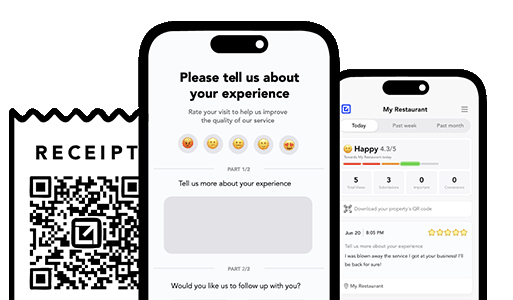
VisibleFeedback helps because it turns check-ins into a system, not a manual habit:
- one-tap check-ins that customers actually answer
- instant alerts on negative responses
- routing and status tracking so issues don’t slip
- confirmation messages to close the loop
- a clean timeline of what happened for each customer
That’s how you improve retention without creating office chaos.
Bottom Line
Post-visit check-ins prevent pest control cancellations because they convert doubt into dialogue.
Run a simple flow:
- set expectations
- check in at Day 2
- confirm improvement at Day 7–10
- recover fast when needed
- confirm resolution
It’s cheap, it’s fast, and it builds the trust that keeps customers renewing.