TLDR: Most pest control companies don’t lose customers because of bad treatments. They lose them because of what happens — or doesn’t happen — between visits. The five biggest retention killers are: going silent between quarterly services, failing to follow up after treatments, making it hard to reschedule or ask questions, never explaining what was done or why, and ignoring small complaints until they become cancellations. Each one is fixable with simple operational changes. A check-in text after every treatment, clear service reports, easy rebooking, and a system that catches unhappy customers before they leave can turn a revolving-door customer base into a stable book of recurring revenue. This article breaks down each problem with real examples and gives you the specific fix.
Pest control is a retention business. Your margins live and die on recurring plans — quarterly treatments, annual contracts, seasonal add-ons. Lose a customer and you don’t just lose one payment. You lose a year or more of steady revenue.
The frustrating part? Most customers who cancel weren’t unhappy with the treatment itself. They left because of something you could have easily fixed.
Here are the five most common ways pest control companies bleed customers — and what to do about each one.
1. Going Silent Between Visits
Quarterly pest control has a built-in problem: three months of silence between touchpoints. That’s 90 days where your customer doesn’t hear from you, doesn’t think about you, and starts wondering if the service is even working.
Then a competitor’s door hanger shows up. Or a neighbor mentions their pest guy. Or the customer sees ants in the kitchen and assumes your treatment failed because nobody told them what to expect.
The fix: Stay in touch between visits. Not with sales pitches — with useful information.
- Two weeks after treatment: “Quick check-in — noticing any pest activity? It’s normal to see some movement for the first week as the treatment takes effect. Let us know if anything seems off.”
- Mid-quarter: A seasonal tip. “Mosquito season is ramping up. Keep standing water cleared from gutters and flower pots to help the treatment work its best.”
- Two weeks before next visit: “Your next quarterly treatment is coming up on [date]. Same time works? Reply to confirm or reschedule.”
Three messages per quarter. That’s all it takes to stay on their radar and remind them they’re paying for something that’s actively protecting their home.
2. No Follow-Up After Treatments
Your tech finishes a treatment and moves on to the next house. The customer comes home to a door tag or an invoice. No one checks to see if the treatment worked. No one asks if they have questions.
This is where cancellations start. The customer sees a spider two days later and thinks: “This stuff didn’t work.” They don’t know that some pest activity is normal in the first 48 hours. They don’t know the perimeter barrier takes time to fully activate. Nobody told them.
So they Google “pest control near me” and start shopping.
The fix: Send a follow-up message within 24 hours of every treatment.
Keep it simple: “Hi [Name], we completed your quarterly treatment today. You might see some pest activity over the next day or two — that’s actually the product working. If you’re still noticing issues after a week, let us know and we’ll come back out.”
That one message does three things: it sets expectations, it gives them a direct line to you if something’s wrong, and it shows that you care about results, not just showing up and spraying.
Companies that follow up after every treatment see significantly fewer mid-contract cancellations. The customer feels taken care of, and small problems get caught before they become deal-breakers.
3. Making It Hard to Reach You
A customer spots a wasp nest between visits. They want to call and add a treatment. But your phone goes to voicemail. They leave a message. No callback for two days.
By then, they’ve already called someone else. And that someone else is now their pest control company.
This happens more often than most owners realize. Customers don’t cancel over big failures. They cancel over small frustrations that pile up.
The fix: Give customers an easy, fast way to reach you that doesn’t depend on someone answering the phone.
- A text line that actually gets monitored
- An online portal for rebooking or adding services
- A quick-response promise: “We respond to all messages within 2 hours during business hours”
The companies with the best retention aren’t necessarily the ones doing the best treatments. They’re the ones that are easiest to do business with.
4. Never Explaining What You Did (Or Why)
Your tech knows exactly which products were applied, where they were applied, and what pests they target. Your customer knows someone came and sprayed something.
That gap in understanding is a retention risk.
When customers don’t understand what they’re paying for, the service feels invisible. And invisible services are the first ones people cut when they’re looking to save money.
The fix: Give customers a clear, simple summary after every visit.
This doesn’t need to be a technical report. A quick summary works:
“Today we treated the perimeter of your home with a residual barrier targeting ants and spiders. We also applied granular treatment to the lawn for fleas and ticks. We noticed some ant activity near the back patio and applied targeted bait — that should resolve within 5 to 7 days.”
Now the customer knows what happened. They can see that their money bought specific actions. They can connect the treatment to the results.
Some companies send this as part of their follow-up text. Others include it in a post-service email. The format matters less than doing it consistently.
5. Ignoring Small Complaints Until They Become Cancellations
A customer mentions they saw a few roaches after their last treatment. Your office staff says, “That’s normal, the treatment needs time to work.” The customer hangs up feeling brushed off.
Next quarter, they cancel.
That customer didn’t leave because of roaches. They left because they felt unheard. The roaches were the symptom. The real problem was that nobody took their concern seriously and followed up.
The fix: Treat every complaint as a retention opportunity.
When a customer reports an issue:
- Acknowledge it immediately. “Thank you for letting us know. That’s not what we want you to experience.”
- Offer a concrete next step. “We’ll send a tech out this week for a callback treatment, no charge.”
- Follow up after the callback. “Hi [Name], just checking in after the callback visit last Thursday. How are things looking?”
That three-step process turns a potential cancellation into a customer who feels valued. Research consistently shows that customers who have a problem resolved effectively become more loyal than customers who never had a problem at all.
The key is having a system that surfaces these complaints. If your only feedback loop is waiting for customers to call and complain, you’re only hearing from the loudest ones. Everyone else just quietly cancels.
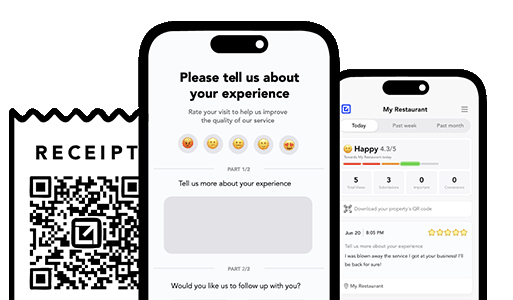
Tools like VisibleFeedback automate this by sending a quick check-in after every service. Customers who are happy get routed toward leaving a review. Customers who have an issue get flagged immediately so your team can respond before the problem escalates. It’s a closed loop that catches what would otherwise slip through the cracks.
The Retention Math
Let’s put numbers to this.
A typical residential pest control plan runs $400 to $600 per year. If you have 500 customers and your annual churn rate is 25%, you’re losing 125 customers per year. That’s $50,000 to $75,000 in recurring revenue walking out the door.
Drop that churn rate to 15% by fixing even two or three of the problems above, and you keep an extra 50 customers. That’s $20,000 to $30,000 per year in retained revenue — before you factor in the cost savings of not having to replace those customers with new ones.
And those retained customers refer. They leave reviews. They add services. The compound effect over two to three years is significant.
Where to Start
You don’t need to overhaul your entire operation. Pick the biggest gap and fix it first.
If you’re not following up after treatments: Start there. One text message per treatment. Automate it if you can.
If you’re going dark between visits: Add one mid-quarter touchpoint. A seasonal tip, a check-in, anything that keeps your name in their phone.
If you’re getting complaints that lead to cancellations: Build a simple callback process. Acknowledge, act, follow up.
The pest control companies with the best retention rates aren’t doing anything revolutionary. They’re just not disappearing between visits. They’re communicating. They’re responsive. They’re making customers feel like someone’s paying attention.
That’s the bar. And most of your competitors aren’t clearing it.