🚀 Start Here For Help

Whether you’re dealing with callbacks, unhappy customers, or low repeat work, we’ll help you tighten the follow up loop.

Turn Jobs Into Repeat Work

VisibleFeedback automatically texts or emails customers after every job.

  • Automated texts or emails post job
  • Catch issues before they go public
  • Reminders that drive repeat jobs
Send My First Follow Up
14 day trial, no credit card required

Recent HVAC Insights

1/10/2026
HVAC

Best HVAC Follow-Up Software: What to Look For (and What Most Tools Miss)

A practical checklist for HVAC follow-up software: follow-ups, issue recovery, reminders, and review requests—plus what most tools don’t handle well.

1/10/2026
HVAC

Dispatch-Friendly HVAC Issue Inbox: Assignment + Escalation Rules That Work

A simple issue inbox model for HVAC dispatch: clear ownership, tight escalation triggers, and daily habits that keep response times low.

1/10/2026
HVAC

Handling “It’s Still Not Cooling” Complaints: A Fast HVAC Response Playbook

A fast, calm triage workflow for “still not cooling” complaints that reduces callbacks, prevents bad reviews, and keeps conversations private.

1/10/2026
HVAC

How HVAC Companies Reduce Callbacks With a 2-Message Follow-Up

Two short messages catch most HVAC issues early: a same-day functional check and a day-two confirmation after the system has had time to run.

1/10/2026
HVAC

HVAC Customer Education Follow-Ups: Reduce Repeat Calls With One Helpful Message

One short educational follow-up after service can eliminate a surprising number of repeat calls: thermostat confusion, filter questions, normal noises, and “is this okay?” worries.

1/10/2026
HVAC

HVAC Follow-Up Templates: Texts and Emails for Repairs, Installs, and Tune-Ups

Copy/paste HVAC follow-up texts and emails for repairs, installs, and tune-ups—designed to prevent callbacks, protect reviews, and drive repeat work.

1/10/2026
HVAC

HVAC Install Follow-Up Checklist: What to Ask After a System Replacement

A practical post-install checklist that catches comfort issues, confusion, and workmanship problems early—before they turn into regret, refunds, or chargebacks.

1/10/2026
HVAC

HVAC Maintenance Reminders: Campaigns That Book More Tune-Ups

A practical reminder playbook for HVAC companies: 30/60/90 cadences tied to filters, seasonal checkups, and memberships—without sounding spammy.

1/10/2026
HVAC

HVAC Review Requests (Done Right): When to Ask and What to Say

HVAC review growth without sketchy tactics: consistent asks, smart timing by job type, and simple scripts that don’t sound needy.

1/10/2026
HVAC

HVAC Service Membership Retention: Follow-Ups That Keep Customers Renewing

Membership retention isn’t “send more promos.” It’s a simple post-service follow-up flow that proves value, resolves friction fast, and makes renewal feel obvious.

Show more insights
HVAC Maintenance Reminders: Campaigns That Book More Tune-Ups
© Photo by ThisisEngineering RAEng on Unsplash

HVAC Maintenance Reminders: Campaigns That Book More Tune-Ups

TLDR: HVAC maintenance reminders work when they feel like prevention, not promotion. Customers don’t wake up wanting a tune-up; they want comfort, lower bills, and fewer breakdowns. The easiest way to book more tune-ups is to run a small set of timed reminders that are anchored to real triggers: filter intervals (30/60/90 days), season changes (spring/fall), and membership benefits (priority scheduling, discounts, planned visits). This article gives you cadences that fit different customer types, simple segmentation rules so you don’t spam everyone, and copy/paste SMS + email templates that convert. You’ll also learn how to tie reminders to feedback signals so you don’t market to unhappy customers, and how VisibleFeedback helps by connecting post-job satisfaction data to smart reminder campaigns that drive repeat work.


Why HVAC Reminders Convert When They’re Tied to Reality

Most HVAC “marketing” fails because it’s generic:

  • “Schedule a tune-up!”
  • “Don’t forget maintenance!”
  • “Limited time offer!”

Customers ignore it because it doesn’t feel urgent or specific.

HVAC reminders work when they’re anchored to something the customer believes is true:

  • filters clog over time
  • seasons change demand and failure risk
  • small issues become expensive breakdowns
  • membership benefits only matter if you use them

If your reminder reads like a helpful heads-up, it converts. If it reads like a coupon blast, it gets ignored.


The 30/60/90 Framework (What It’s Actually For)

30/60/90 isn’t a magical cadence. It’s a simple way to match reminder timing to filter reality and to keep your business top-of-mind without spamming.

Use 30/60/90 reminders for three situations:

  • filter replacement nudges
  • “it’s been a while” maintenance touches after a repair
  • gentle membership activation reminders

The key is segmentation. Not every customer needs the same interval.


Step 1: Segment Customers (So You Don’t Annoy People)

You don’t need complex tagging. Use a few buckets:

  • job type: repair / install / tune-up
  • equipment type: heat pump / furnace / AC / dual
  • filter sensitivity: pets/allergies / normal
  • plan status: member / non-member
  • season: cooling season vs heating season
  • last satisfaction signal: happy / neutral / unhappy

If you don’t have these fields today, start with:

  • last service date
  • member vs non-member
  • equipment type (if known)

That’s enough to run effective campaigns.


Step 2: Pick Your Reminder Cadence (Three Proven Options)

Cadence A: Filter-First (30/60/90)

Use this for customers who respond well to “simple maintenance” prompts.

  • Day 30: filter reminder
  • Day 60: filter reminder + quick “want us to handle maintenance?”
  • Day 90: stronger reminder + offer tune-up slot

Who it’s for:

  • homeowners with pets
  • allergy-sensitive households
  • customers who already bought filters from you
  • customers who tend to ignore seasonal marketing

Why it works:

  • filters feel concrete and legitimate
  • it’s easier to say yes to “replace filter” than “buy a tune-up”
  • you can ladder into tune-ups naturally

Cadence B: Seasonal-First (Spring/Fall)

Use this for most HVAC businesses. It’s the simplest.

  • 4–6 weeks before peak season: “schedule early” reminder
  • 2 weeks before peak season: “limited slots” reminder (not fake scarcity—real capacity)
  • mid-season: “breakdown prevention” check-in for non-responders

Who it’s for:

  • broad customer base
  • companies with seasonal demand spikes
  • markets where people wait until it breaks

Why it works:

  • the season itself creates urgency
  • customers understand demand spikes
  • it aligns with how HVAC is actually bought

Cadence C: Repair-to-Maintenance Conversion (30/60/90 After a Repair)

This cadence turns reactive customers into preventive customers.

  • Day 30 after repair: “still running well?” check + filter reminder
  • Day 60: “prevent repeat breakdowns” tune-up offer
  • Day 90: membership offer tied to priority scheduling + discount

Who it’s for:

  • one-time repair customers
  • customers who don’t have a plan
  • customers with older equipment

Why it works:

  • you’re following up after a real pain event
  • you can frame maintenance as “avoid that happening again”
  • it’s a structured nurture, not random outreach

Step 3: Tie Memberships to a Reason (Not Just a Pitch)

Memberships sell when they’re framed as:

  • priority scheduling when it’s hot/cold
  • included tune-ups (already planned)
  • discounts on parts/labor
  • fewer surprise breakdowns

Memberships do not sell when you just say:

  • “Join our membership!”

Reminders should make the membership feel like the obvious “adult” choice for home comfort.


SMS Templates (30/60/90 + Seasonal + Membership)

Day 30: Filter Reminder (Low Pressure)

Hey [Name] — quick reminder: many homes replace HVAC filters about every 30 days (more often with pets).
Want us to send the right size for your system or help you schedule a quick check?

Day 60: Filter + Light Tune-Up Hook

Hey [Name] — quick heads up: a clogged filter can cause airflow issues and extra wear.
Want to get on the schedule for a quick maintenance visit?

Day 90: Stronger Maintenance Reminder (Still Not Spammy)

Hey [Name] — it’s been about 90 days since we last serviced your system.
A seasonal tune-up now helps prevent surprise breakdowns. Want a few appointment options?

Pre-Season (4–6 Weeks Before Peak)

Hey [Name] — quick seasonal reminder: tune-up slots fill up fast before [summer/winter].
Want us to reserve a time window for you?

“Still Running Well?” (After a Repair, Day 30)

Hey [Name] — quick check-in since the repair last month: is everything still running well?
Yes / No

If Yes:

Great. Want us to schedule a seasonal tune-up to keep it reliable?

If No:

Thanks for telling us. What’s the main issue?
Not holding temp / Airflow / Noise / Other

Membership Nudge (After a Positive Outcome)

If you want, we can put you on our maintenance plan so tune-ups are handled automatically and you get priority scheduling.
Want details? Reply YES.


Email Templates (Seasonal + Membership + Education)

Seasonal Tune-Up Email (Pre-Season)

Subject: Quick heads up before [summer/winter] — tune-up scheduling

Hi [Name],
As [summer/winter] gets closer, we start seeing more breakdown calls and fewer open appointment slots.

A seasonal tune-up helps prevent:

  • weak airflow and comfort issues
  • higher energy bills
  • surprise failures during peak demand

If you’d like, reply here and we’ll send a few appointment options, or book here: [Link]

Thanks,
[Signature]


Filter Education Email (30/60/90 Support)

Subject: Filter reminder (and why it matters)

Hi [Name],
Quick reminder: most homes replace HVAC filters every 30–90 days depending on pets, dust, and allergies.

A clogged filter can lead to:

  • reduced airflow and comfort
  • higher energy use
  • added strain on the system

If you want, we can help confirm your filter size and recommend a replacement interval that fits your home. Reply here and we’ll help.

Thanks,
[Signature]


Membership Email (Make It Practical)

Subject: Want tune-ups handled automatically?

Hi [Name],
Most customers who want fewer surprise breakdowns choose a maintenance plan so seasonal tune-ups are scheduled automatically.

Typical benefits include:

  • priority scheduling during peak season
  • discounts on parts/labor
  • planned seasonal visits to catch issues early

If you’d like, reply with PLAN and we’ll send details and pricing.

Thanks,
[Signature]


Don’t Do These Things (They Kill Trust)

  • weekly reminders (“newsletter” energy)
  • fake scarcity (“last chance!” when it isn’t)
  • sending the same cadence to everyone
  • asking for maintenance right after a customer had a bad experience
  • long emails with no clear next step

Add One Simple Feedback Gate (Not Review Gating)

This isn’t about hiding complaints. It’s about not marketing to unhappy customers.

Rule:

  • if last feedback signal was unhappy, pause reminders until you resolve and confirm

This prevents the dumbest situation: reminding someone to book again while they still think you didn’t handle the last job well.


Where VisibleFeedback Helps

Most HVAC companies struggle with reminders for two reasons:

  • they aren’t segmented, so they feel spammy
  • they aren’t connected to satisfaction signals, so they hit the wrong people

VisibleFeedback helps by:

  • capturing one-tap satisfaction signals after jobs
  • surfacing unresolved issues so you don’t send reminders at the wrong time
  • letting you run simple cadences (30/60/90, seasonal) tied to job type and outcomes
  • keeping everything in one loop: service → feedback → recovery → repeat work

You still need good copy and good timing. This just makes it consistent.


Bottom Line

To book more tune-ups without annoying people:

  • tie reminders to real triggers (filters, seasons, membership value)
  • run a small number of touches (30/60/90 or seasonal)
  • segment by job type and plan status
  • avoid reminding unhappy customers until you fix the issue

If you do that consistently, tune-ups stop being “marketing.” They become the default behavior customers appreciate.
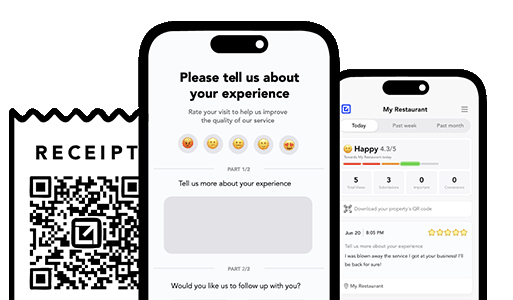
VisibleFeedback running on iphones

Turn Jobs Into Repeat Work

Text or email clients after every job. Catch issues early, recover unhappy clients fast, and drive repeat work with smart reminders.

No card needed, cancel any time

Related articles

Quarterly Pest Reminders That Actually Work: Timing + Messaging

1/10/2026

Quarterly pest reminders that feel like customer service: simple cadences, clear expectations, and messaging customers don’t ignore.

Turn One-Time Customers Into Repeat Work (Without Spam)

1/10/2026

Repeat work doesn’t happen by accident—customers forget. Here’s a simple reminder system (with templates and trade-specific examples) that gets rebooks and referrals without feeling spammy.

Turning One-Time Jobs Into Repeat Work: Reminder Campaigns That Don’t Annoy People

1/10/2026

The best reminder campaigns feel like customer service: timely, useful, and easy to act on—without spammy marketing energy.

People also ask

How can I prevent negative reviews from hurting my business? You can’t stop every unhappy customer from sharing feedback, but you can intercept it before it goes public. Tools like VisibleFeedback allow customers to scan a QR code and leave feedback privately. If the feedback is negative, you’re alerted instantly so you can resolve the issue before it turns into a 1-star review.
Why are customer reviews so important for local SEO? Reviews are one of the top local ranking factors on Google. Businesses with consistent positive reviews rank higher in search results and attract more customers. By using VisibleFeedback to capture happy customer moments and guide them to Google or Yelp, you build a steady flow of authentic reviews that improve both your reputation and your local SEO.
What’s the best way to collect customer feedback in 2025? Traditional methods like comment cards and long surveys don’t work anymore, customers want convenience. The easiest way to collect real-time feedback in 2025 is by using QR codes and mobile-friendly forms. VisibleFeedback makes this simple, helping you get instant insights while turning satisfied customers into 5-star reviewers.
Authored by Austin Spaeth

Austin Spaeth

Austin Spaeth is the founder of VisibleFeedback, a tool that helps service companies automate post-job follow-ups, catch issues early, and drive repeat work with smart reminders. With a background in software development and a focus on practical customer retention systems, Austin built VisibleFeedback to make it easy to text or email customers after every job, route problems to the right person, and keep relationships strong without awkward outreach. When he’s not building new features or writing playbooks for service businesses, he’s wrangling his six kids or sneaking in a beach day.

🚀 What's your goal? Get a plan ...

🚀 Start Here For Help

Whether you’re dealing with callbacks, unhappy customers, or low repeat work, we’ll help you tighten the follow up loop.

×

👋 Wait! Before You Go

Send your first follow up today! Catch issues early and drive repeat work.

No credit card required.