2/2/2026
HVAC
How Smart HVAC Companies Use Automated Reminders to Drive Repeat Revenue
HVAC companies leave thousands on the table by not reminding past customers to come back. Here are the four reminders every HVAC company should automate.

TLDR: “It’s still not cooling” is one of the highest-risk HVAC complaints because it combines urgency, discomfort, and doubt (“did you actually fix it?”). If you respond slowly or defensively, the customer’s next step is often a 1-star review or a public rant. The right response is simple and repeatable: acknowledge fast, triage with a few structured questions, set a concrete plan, and confirm resolution. This article gives a practical playbook: what to say in the first 2 minutes, a triage script that separates perception issues from real failures, escalation thresholds, and follow-up messages that prevent public fights. You’ll also learn how to log outcomes so you reduce repeat complaints over time, and how VisibleFeedback helps you run the workflow consistently with instant alerts and status tracking.
This complaint is emotionally loaded because the customer thinks:
It’s also technically ambiguous. “Not cooling” can mean:
If you treat every complaint as an argument, you’ll start a public fight. The goal is to turn this into a controlled triage and a clear plan.
Your first response is not diagnosis. It’s ownership.
Thanks for the heads up — I’m on it. I’m going to ask a couple quick questions and get a plan in place right now.
“Thanks for calling. I understand it’s still not cooling and that’s frustrating. I’m going to take ownership of this and we’ll get you taken care of. Let me ask a few quick questions so we can move fast.”
What to avoid:
Even when you think it’s user error, you treat it as real until proven otherwise.
You’re trying to answer one question: Is this a real system failure, a perception/expectation issue, or a configuration issue?
Don’t let the customer rant for 15 minutes. Ask targeted questions.
1) “Is the thermostat set to COOL and a temperature below the current room temperature?”
2) “Is the indoor fan running?”
3) “Is the outdoor unit running (can you hear/see it)?”
4) “What is the current indoor temperature and what is it set to?”
5) “Do any vents feel cold at all, or is it completely warm?”
Then one optional question:
These answers tell you what bucket you’re in.
This keeps your team calm and consistent.
Signals:
Response:
Signals:
Response:
Signals:
Response:
Customers hate “we’ll see.” Give a plan they can understand.
Here’s what we’ll do next: [action].
We can [time window].
I’ll follow up after [event] to confirm it’s resolved.
Examples:
A plan with timing reduces the urge to go public.
You can often resolve or narrow the issue with one quick check that doesn’t feel like blaming.
Keep it short. If you give a 10-step checklist, you look like you’re dodging responsibility.
If the customer mentions:
You do not debate. You escalate and move to private resolution.
Response:
I understand. I’m going to take ownership and get this fixed. I’ll call you shortly with the next step.
Then you call. A calm voice de-escalates better than text.
Even after you “fix it,” confirm it.
Quick check — is it cooling normally now and holding temp today?
Yes / No
If No:
Got it. What’s the main issue now?
Not holding temp / Airflow / Noise / Other
We’ll follow up shortly.
This prevents “it broke again” reviews that land two days later.
Track “still not cooling” complaints as a category and log a root cause:
After a month, you’ll see patterns:
That’s how you reduce callbacks structurally.
Thanks for the heads up — I’m on it. I’m going to ask a couple quick questions and get a plan in place right now.
Quick questions so we can move fast:
1) Is thermostat set to COOL and below room temp?
2) Is the indoor fan running?
3) Is the outdoor unit running?
4) What’s the current temp and set temp?
Thanks — here’s the plan: [action]. We can [time window]. I’ll follow up after to confirm.
I understand. We’re going to take care of this. I’m taking ownership and will call you shortly with the next step.
Quick check — is it cooling normally and holding temp today? Yes/No
This is exactly the kind of issue that benefits from speed and structure.
VisibleFeedback helps by:
The result is fewer callbacks and fewer public blowups.
When someone says “it’s still not cooling,” treat it as a high-risk moment:
Do that consistently and you’ll prevent a lot of callbacks and a lot of 1-star reviews.
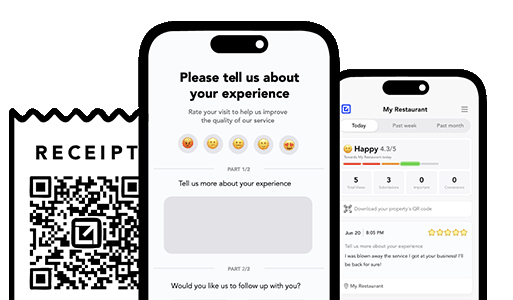
Text or email clients after every job. Catch issues early, recover unhappy clients fast, and drive repeat work with smart reminders.

Austin Spaeth is the founder of VisibleFeedback, a tool that helps service companies automate post-job follow-ups, catch issues early, and drive repeat work with smart reminders. With a background in software development and a focus on practical customer retention systems, Austin built VisibleFeedback to make it easy to text or email customers after every job, route problems to the right person, and keep relationships strong without awkward outreach. When he’s not building new features or writing playbooks for service businesses, he’s wrangling his six kids or sneaking in a beach day.
Whether you’re dealing with callbacks, unhappy customers, or low repeat work, we’ll help you tighten the follow up loop.
No credit card required.
