2/2/2026
HVAC
How Smart HVAC Companies Use Automated Reminders to Drive Repeat Revenue
HVAC companies leave thousands on the table by not reminding past customers to come back. Here are the four reminders every HVAC company should automate.

TLDR: Most “HVAC follow-up software” isn’t follow-up software. It’s messaging, surveys, or review requests bolted onto a CRM. The result: you can send texts, but you can’t run a closed-loop workflow that actually reduces callbacks and prevents bad reviews. The best setup includes three linked capabilities: automated follow-ups (timed by job type), a recovery workflow (issue inbox, assignment, escalation, and confirmation), and smart reminders (seasonal + 30/60/90 filter/membership cadences). This article lays out what to look for, what most tools miss, and a simple way to evaluate options without getting distracted by vanity features. It also shows how VisibleFeedback is structured around the full loop—one-tap feedback, instant alerts, issue tracking, confirmation, and customer-friendly reminders—so the system runs consistently without dispatch babysitting it.
A lot of tools claim they handle follow-ups, but they’re usually one of these:
None of those is automatically bad. The problem is that HVAC follow-ups aren’t a single feature. They’re a workflow with timing, escalation, and confirmation.
If your tool can “send a message,” but cannot reliably do:
…then you don’t have a follow-up system. You have messaging.
Before you evaluate tools, be clear on the system you’re buying.
A working HVAC follow-up loop has three layers:
1) Follow-ups (job-level check-ins)
2) Recovery (issue inbox + assignment + escalation + confirmation)
3) Reminders (repeat work: tune-ups, filters, memberships)
If you only buy layer #1, you’ll collect complaints and still drop them. If you only buy layer #3, you’ll annoy unhappy customers. The point is to connect them.
HVAC timing is different by job type. If the tool can’t schedule differently per job type, it will create problems.
You want the ability to trigger different follow-up sequences for:
Example timing rules:
If the software only offers “send a message after job completion,” it’s too generic.
Most customers will not fill out a survey. HVAC customers especially won’t when they’re busy, sweaty, and annoyed.
Look for:
If response rates are low, you’ll miss the exact issues that become:
A follow-up system is only as good as the speed of your recovery.
You need:
If negative responses land in a generic inbox with no ownership, response times will drift and complaints will go public.
This is where most tools fail. They can collect feedback, but they don’t run an operational workflow.
You want:
Without this, you get the worst outcome: you know a customer is unhappy, and you still don’t handle it consistently.
HVAC has a few complaint types that should always escalate fast:
The tool should support:
If escalation is manual and optional, it won’t happen reliably.
The difference between “we tried” and “we solved it” is confirmation.
Look for:
This is how you prevent the classic: “It broke again and nobody helped” review two days later.
The best HVAC follow-up software should also support repeat work reminders, but in a customer-friendly way.
Minimum reminder capabilities:
Critical rule:
If the software can’t segment or pause, it will send reminders to unhappy customers and create cancellations and bad reviews.
A lot of tools push review requests in a way that feels manipulative.
What you want:
If a vendor pitches “we intercept bad reviews,” that’s a credibility problem. You don’t need shady tactics. You need fast recovery and consistent asks.
Most dashboards are noise. HVAC owners need a few metrics that map to money and reputation:
If the software can’t track those outcomes, it’s hard to prove ROI and improve over time.
Many tools optimize “message delivery” and ignore what happens after the customer replies.
Survey tools are great at collecting data. They are not built to run dispatch workflows.
HVAC follow-ups are time-sensitive and job-type dependent. Generic automation leads to wrong timing and annoyed customers.
Without assignment + due times + statuses, issues float.
This is the simplest step that prevents repeat problems, yet it’s often missing.
When you demo tools, ask them to show these three scenarios live:
If they can’t demonstrate that cleanly, you’ll still be dealing with callbacks and public complaints.
If a tool can do these three scenarios, it’s probably “real” follow-up software.
VisibleFeedback is built around the end-to-end HVAC loop, not just one piece of it:
The goal isn’t “send more texts.” It’s fewer callbacks, fewer public blowups, and more repeat work.
“Best HVAC follow-up software” isn’t the tool with the most features. It’s the tool that runs the full workflow:
Most tools do one slice of that. Pick the one that does the whole loop, or be prepared to stitch multiple tools together and police it daily.
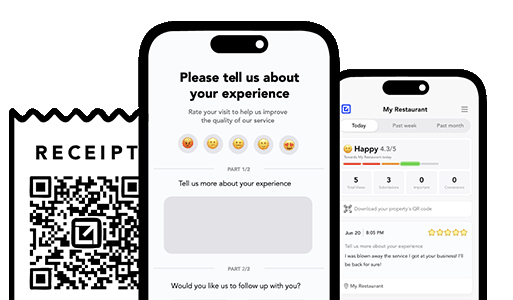
Text or email clients after every job. Catch issues early, recover unhappy clients fast, and drive repeat work with smart reminders.

Austin Spaeth is the founder of VisibleFeedback, a tool that helps service companies automate post-job follow-ups, catch issues early, and drive repeat work with smart reminders. With a background in software development and a focus on practical customer retention systems, Austin built VisibleFeedback to make it easy to text or email customers after every job, route problems to the right person, and keep relationships strong without awkward outreach. When he’s not building new features or writing playbooks for service businesses, he’s wrangling his six kids or sneaking in a beach day.
Whether you’re dealing with callbacks, unhappy customers, or low repeat work, we’ll help you tighten the follow up loop.
No credit card required.
