2/12/2026
Electrician
How Electricians Can Prevent Bad Reviews Before They Happen
Most bad reviews for electricians come from the same 5 preventable problems. Here's how to identify and fix them before a frustrated homeowner opens Google.

An HVAC company installs a new system and the house gets comfortable in minutes. A plumber fixes a leak and the homeowner watches the water stop. A pest control tech sprays, and the bugs disappear over the next few days.
An electrician upgrades a panel, rewires a room, or installs a new circuit. The homeowner flips a switch. It works. That is the entire visible result.
Your best work is invisible. It runs behind drywall, above ceilings, and inside panels that nobody opens again until something breaks. And that invisibility creates a problem that most electrical contractors do not think about until it costs them.
Nobody reviews invisible work.
Look at review counts across home service categories on Google. Plumbing companies in a mid-size market often have 100-300 reviews. HVAC companies typically have 80-200. Even pest control businesses pull in 50-150 reviews.
Electrical contractors? Many have fewer than 30.
This is not because electricians do worse work. It is because the work does not produce a visible, emotional moment that triggers a customer to leave a review. There is no dramatic before-and-after. No relief from discomfort. No problem that visibly goes away.
The customer paid you, you did the work, and life went on. There was no moment where the customer thought “I need to tell someone about this.” So they did not.
And now your Google Business Profile has 14 reviews while the plumber down the street has 187. When a homeowner needs electrical work done, they see that gap and choose the one with more social proof — even if your work is better.
The review gap is only half the problem. The other half is repeat business.
Unlike HVAC (seasonal tune-ups) or pest control (quarterly treatments), electrical work does not have an obvious recurring schedule. Customers call an electrician when something breaks or when they have a project. There is no natural next appointment.
This means electrical contractors rely heavily on new customer acquisition. Every month, you need a fresh batch of homeowners to find you through Google, Angie’s List, Nextdoor, or word of mouth. You are running on a treadmill.
But here is what most electricians miss: the average homeowner will need an electrician 4-7 times over a 15-year period. Panel upgrades, outlet additions, ceiling fan installations, EV charger installs, lighting upgrades, generator hookups, whole-house rewires. If you did the first job well, you should be getting every future call.
You are not getting those calls because the customer forgot about you. Not because they were unhappy. Because three years went by and your name is no longer in their memory. When they need an electrician again, they Google it.
Run the math. If your average job is $800 and the homeowner needs electrical work 5 times over 15 years, each customer is worth $4,000 in lifetime revenue. If you have 200 customers who needed you once, that is $800,000 in potential future revenue walking around with no connection to your company.
The standard advice for getting more reviews — “just ask after every job” — works for HVAC and plumbing because those jobs have a visible result. The customer feels the impact. Asking for a review while they are experiencing that impact makes sense.
For electricians, the job is done and there is nothing to feel. Asking “can you leave us a review?” while the customer watches you pack up your tools feels awkward. The work is invisible. What are they going to write? “He rewired my kitchen. The lights work.”
This is why the ask-for-a-review-at-the-end approach underperforms for electricians compared to other trades. The emotional trigger is missing.
What does work is changing what you ask. Instead of asking for a review, ask for feedback.
Send the customer a short message the day after the job:
“Hi [Name], this is [Company]. Just checking in after yesterday’s electrical work — everything working the way you expected? Any questions or concerns?”
This does three things. It shows professionalism that most electricians do not demonstrate. It opens a private channel where problems can be reported. And it puts your company name back in front of the customer at a moment when they are likely still thinking about the work.
Sometimes the panel cover was left crooked. Sometimes the customer noticed a scuff on the wall. Sometimes the dimmer switch does not work quite right. These are small problems that the customer would never call about — but they would hold against you in their memory.
When you ask for feedback and the customer mentions a problem, you can fix it. A quick callback to straighten the panel cover turns a mildly annoyed customer into a loyal one. They remember that you cared enough to check.
More importantly, that customer does NOT leave a mediocre review. They become an advocate.
When a customer responds to your follow-up with something positive — “Everything looks great, thanks!” — that is the moment to ask for a review. Not at the job site while you are packing up. Not three weeks later. Right now, when they just confirmed they are happy.
“Great to hear! If you have a minute, a quick Google review would really help us out. Here is the link: [link]”
The conversion rate on this request is significantly higher than a cold review ask because the customer just expressed satisfaction. The review writes itself — they already have the words in their head.
This is where electricians leave the most money on the table. After the job is done and the follow-up is complete, most electrical contractors go silent forever.
Instead, send periodic messages that keep your company relevant.
Annual Electrical Safety Reminder (November or December):
“Hi [Name], this is [Company]. The holiday season means more lights, more heaters, and more load on your electrical system. Now is a great time for a quick safety check if your panel is older than 15 years or if you’ve added major appliances recently. Let us know if you’d like us to take a look.”
EV Charger and Panel Upgrade Prompt (Spring):
“Hi [Name], with EV ownership growing, a lot of homeowners are looking at Level 2 charger installations and panel upgrades. If you’ve been thinking about either one, we’d be happy to give you a quote.”
Post-Storm or Post-Event Check-In:
“Hi [Name], after the storms last week, we’re checking in with past customers. If you’ve noticed any flickering lights, tripped breakers, or anything unusual with your electrical system, let us know — we can come out and take a look.”
These messages accomplish two things. They keep your name in the customer’s mind so you get the call next time instead of Google. And they surface future work opportunities you would never have known about otherwise.
Here is the complete system for electrical contractors.
After every job (24 hours): Send a feedback request. Catch any problems. Route positive responses to a Google review ask.
Annually (November/December): Send an electrical safety reminder to your full customer list. Offer safety inspections.
Twice yearly (Spring and Fall): Send a seasonal message about EV chargers, panel upgrades, generator installs, or storm preparation. Surface dormant demand.
After major weather events: Send a check-in to past customers in the affected area.
The result is a customer who never forgets you, a review profile that grows steadily with genuine positive reviews, and a pipeline of future work that does not depend on outbound marketing.
Let’s say you complete 300 jobs per year. Without follow-up, maybe 5% of customers leave a review. That is 15 reviews per year.
With a feedback-first system where you follow up after every job and route positive feedback to a review ask, conversion rates typically run 15-25%. At 20%, that is 60 reviews per year — four times the organic rate.
Over two years, you go from 30 reviews to 150. That puts you in the top tier for electrical contractors in most markets.
On the retention side, if annual touchpoints bring back even 10% of past customers for a new project, that is 30 customers from your existing base. At an average of $800 per job, that is $24,000 in revenue from people who already trust you — with zero acquisition cost.
VisibleFeedback automates this entire system for electrical contractors. Automated post-job follow-ups, a feedback inbox that catches problems, smart review routing, and scheduled reminders that keep past customers connected. Set it up once and it runs in the background. Plans start at $65/month with no contracts.
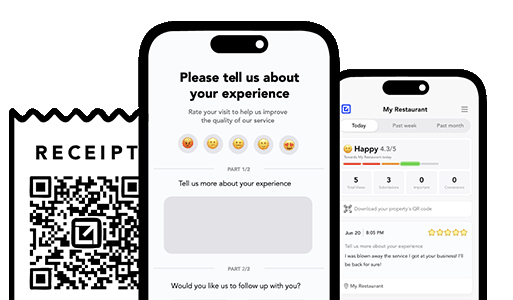
Text or email clients after every job. Catch issues early, recover unhappy clients fast, and drive repeat work with smart reminders.

Austin Spaeth is the founder of VisibleFeedback, a tool that helps service companies automate post-job follow-ups, catch issues early, and drive repeat work with smart reminders. With a background in software development and a focus on practical customer retention systems, Austin built VisibleFeedback to make it easy to text or email customers after every job, route problems to the right person, and keep relationships strong without awkward outreach. When he’s not building new features or writing playbooks for service businesses, he’s wrangling his six kids or sneaking in a beach day.
Whether you’re dealing with callbacks, unhappy customers, or low repeat work, we’ll help you tighten the follow up loop.
No credit card required.
