TLDR: When a cleaning client leaves, most business owners think they lost $150 — the cost of one visit. The real number is $3,900 or more. A biweekly client at $150/visit generates $3,900 in annual revenue. A weekly client is worth $7,800. Replacing that client costs $150-$300 in marketing and takes 2-4 weeks. Multiply that by the 40-60% of first-time clients that most cleaning companies lose, and the math gets brutal fast. The fix isn’t better marketing or lower prices. It’s a simple retention system: same-day check-ins after every job, fast resolution when something’s missed, and automated reminders that keep clients on the schedule. Most client losses happen because of silence — nobody asked how the job went, and nobody reminded them to rebook. That’s a solvable problem.
A cleaning client cancels. Maybe they texted. Maybe they just stopped booking. Maybe you noticed three weeks later when you realized their slot was empty.
However it happened, the reaction is usually the same: “That’s a bummer. Let’s fill that spot.”
And then the real cost starts adding up.
The Math Most Cleaning Companies Don’t Do
When you lose a client, the obvious cost is the missed cleaning — $150 or $200 or whatever your per-visit rate is. That’s what shows up on this week’s books. But that number is misleading, because it only captures a single visit. The actual loss is the entire revenue stream that client represented.
Let’s do the real math.
A biweekly residential client at $150/visit:
- 26 visits per year
- $3,900 in annual revenue
- Over 3 years (average loyal client lifespan): $11,700
A weekly client at $150/visit:
- 52 visits per year
- $7,800 in annual revenue
- Over 3 years: $23,400
A monthly commercial client at $500/visit:
- 12 visits per year
- $6,000 in annual revenue
- Over 3 years: $18,000
That’s not theoretical. That’s the revenue that evaporates when a single client walks away. And it gets worse when you factor in what it costs to replace them.
The Replacement Tax
Finding a new client to fill that empty slot isn’t free. Here’s what it typically costs a cleaning company to acquire a new customer:
- Google Ads: $30-$80 per lead, with a 20-30% close rate = $100-$400 per new client
- Thumbtack/Angi leads: $15-$50 per lead, with high competition = $75-$250 per new client
- Referral programs: Discount or bonus to existing client = $50-$100 per new client
- Time spent: Following up, quoting, scheduling the walkthrough, doing the first clean at a discount = 4-8 hours of your time
Conservatively, replacing one lost client costs $150-$300 in direct marketing spend plus half a day of work you could have spent cleaning.
And here’s the part nobody talks about: the new client is less profitable than the one you lost. A new client requires a walkthrough, a first-clean discount (if you offer one), and 2-3 visits before they settle into a routine. An existing client was already past that. They knew your process. You knew their house. The relationship was efficient.
Why the Number Is Worse Than You Think
Most cleaning companies don’t lose one client at a time. They lose them steadily, in a slow leak they barely notice.
Industry data suggests that cleaning businesses lose 40-60% of first-time clients within the first 90 days. Not because the work was bad. Because nobody followed up.
Run the numbers on a business doing 30 first-time cleans per month:
- 30 new clients per month
- 50% don’t rebook (15 clients lost)
- Each was potentially worth $3,900/year
- Monthly lost revenue potential: $58,500/year in future revenue
- Annual leak: $702,000 in potential lifetime revenue walking out the door
That’s not an exaggeration. It’s what happens when half your new clients clean once and never come back. Even if you close the gap by 20% — keeping 6 more clients per month — that’s $23,400/year in retained revenue from a single month’s improvement.
The leak isn’t dramatic. There’s no single moment where you see the damage. It’s a slow drip. One client here, two clients there. But compounded over a year, it’s the difference between a business that grows and one that runs in place.
Why Cleaning Clients Actually Leave
Before you can fix the leak, you need to understand why clients disappear. And the answer is almost never what you expect.
It’s not price. Most residential cleaning clients chose you knowing what it costs. They’re not comparison-shopping after every clean. If they leave over price, they were never going to be a long-term client anyway.
It’s not quality — at least not in the way you think. Clients don’t leave because the cleaning was terrible. They leave because something small was off — a streaky mirror, a missed baseboard, a bathroom that smelled like chemicals instead of clean — and nobody asked about it. They didn’t want to complain. So they just stopped booking.
The real reasons:
Silence after the job. You cleaned. You invoiced. You left. No check-in. No “how did everything look?” The client felt like a transaction, not a relationship.
A small issue went unaddressed. Something bothered them. Not enough to call and complain, but enough to erode trust. Two missed details over three visits, and they start thinking about trying someone new.
They forgot to rebook. Life gets busy. If they’re not on a recurring schedule, and nobody reminded them, they simply didn’t think about it until it was too late and they’d already booked someone else.
No reason to stay loyal. They had no emotional connection to your business. You were one of several options. Nothing made you stand out after the work was done.
Notice the pattern: every single reason is about what happened — or didn’t happen — after the cleaning. The work itself was probably fine.

Automate follow ups after every job
Catch issues early and drive repeat work with smart reminders.
The Fix: A Retention System That Runs Itself
Fixing client churn in a cleaning business doesn’t require a marketing agency, a loyalty app, or a radical change to how you operate. It requires three things done consistently after every job.
1. The Same-Day Check-In
Within a few hours of finishing a job, send a short message:
“Hi [Name], we just finished up at your place today. Wanted to make sure everything looks the way you expected. If anything needs attention, just let us know — we’ll take care of it.”
This takes 30 seconds per client if you do it manually. Zero seconds if you automate it.
What it does:
- Surfaces problems before they fester. A client who tells you about a missed spot today is a client who’s still on your books next month. A client who stews about it silently is gone within 60 days.
- Separates you from every competitor. 90% of cleaning companies never follow up after a job. This single text message puts you in the top 10%.
- Opens the door to a review. If they reply positively, you can naturally follow up with: “That’s great to hear — if you have a moment, a Google review would mean a lot to us.”
2. Fast Resolution When Something’s Off
When a client reports an issue — even a minor one — respond within 24 hours and offer to fix it at no charge.
Yes, you’re giving away a touch-up. The alternative is losing a $3,900/year client over a $0 conversation you never had.
The 24-hour resolution does three things:
- Converts a negative experience into a positive one (the client feels heard)
- Creates loyalty that lasts (they’ll tell friends about how you handled it)
- Gives you data on what to improve (if three clients mention baseboards, you have a training issue)
3. Automated Rebooking Reminders
For clients not on a fixed recurring schedule, send automated reminders at the intervals that match their cleaning patterns:
- Biweekly clients: Reminder 2 days before their usual slot
- Monthly clients: Reminder 5-7 days before they’re due
- One-time clients: Follow-up at 2 weeks, 4 weeks, and 8 weeks after service
- Seasonal clients: Reminders before spring cleaning, holiday prep, move-in/move-out seasons
The message is simple:
“Hi [Name], it’s been about a month since your last cleaning. Would you like to get back on the schedule? We have openings this week.”
This is the reminder that most cleaning businesses never send. And it’s the one that prevents the slow leak of clients who meant to rebook but never got around to it.
What This Looks Like With Real Numbers
Take a cleaning business with 40 active clients averaging $150/visit biweekly.
Without a retention system:
- Lose 3 clients/month to silent churn (normal for the industry)
- Annual client loss: 36 clients
- Revenue lost: 36 x $3,900 = $140,400/year in churned revenue
- Replacement cost: 36 x $200 = $7,200/year in acquisition spend
- Net impact: You’re running to stay in place
With a retention system:
- Reduce churn from 3/month to 1/month (keeping 2 extra clients)
- Clients saved: 24/year
- Revenue retained: 24 x $3,900 = $93,600/year saved
- Cost of retention system: $65-$100/month = $780-$1,200/year
- ROI: 78x to 120x return
That’s not a marketing gimmick. It’s arithmetic. The most profitable dollar a cleaning business can spend isn’t on ads or lead generation. It’s on keeping the clients already on the books.
Stop the Leak
The clients you’re losing right now aren’t leaving because of your competitors. They’re leaving because of silence. No one checked in. No one asked if the job was right. No one reminded them to rebook.
That’s fixable. And it costs a fraction of what you’re spending to replace them.
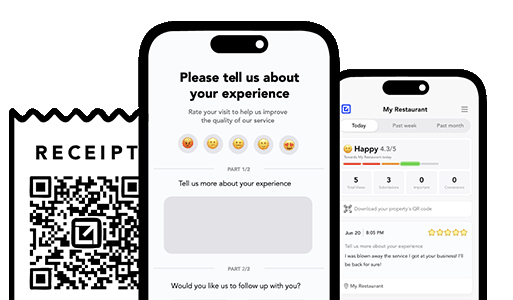
VisibleFeedback automates the entire retention system — same-day follow-ups, private feedback collection, problem routing, and recurring reminders — for $65/mo. No contracts. No setup fees. Works alongside whatever scheduling tool you already use.
If you’re losing even two clients a month to silence, that’s $7,800/year in revenue walking out the door. A tool that costs $780/year to prevent that is the easiest decision in the business.
Start a free 14-day trial at VisibleFeedback.com — no credit card required.