TLDR: Cleaning businesses lose most clients to silence, not competition. The fix is a simple 4-step system after every job: a same-day check-in text, fast corrections within 24 hours, a low-pressure recurring service offer, and timed reminders for seasonal and rebooking nudges. A biweekly client at $150/visit is worth $3,900/year — and replacing a lost client costs $150-300 in marketing. The follow-up after the cleaning matters more than the cleaning itself when it comes to retention. Start with one check-in text after your next job.
You cleaned the house. It looked great. The client thanked you, paid the invoice, and said “see you next time.”
There was no next time.
Not because the work was bad. Not because they found someone cheaper. They just forgot. A few weeks passed, something else came up, and when they needed a cleaning again, they opened Google and booked whoever showed up first. It might have been you. It probably was not.
If this sounds familiar, you are not alone. Most cleaning businesses — solo operators and 10-person crews alike — lose more clients to silence than to competition. The work is fine. The communication after the work is nonexistent.
Here is the good news: fixing this does not require a marketing degree, expensive software, or a dedicated office person. It requires a system — a short, repeatable set of actions that happen after every job. This article lays out exactly what that system looks like.
Why Cleaning Clients Disappear
Before we fix the problem, it helps to understand why it happens in the first place.
Cleaning is personal. Someone is letting you into their home. They notice everything — the baseboards you touched, the counter you missed, the way the bathroom smells when you leave. But most clients will never tell you about the one thing that bothered them. They are not confrontational. They just quietly stop booking.
This is what the industry calls “silent churn.” The client does not complain. They do not leave a bad review. They just vanish. And because they never told you what went wrong, you never get the chance to fix it.
Here are the most common reasons cleaning clients leave:
- Something small was missed and nobody asked about it. A streaky mirror. A dusty fan blade. Trivial on its own, but if it happens twice with no follow-up, the client assumes you do not care.
- They forgot to rebook. Life gets busy. If you are not on their calendar, you are not on their mind. Out of sight, out of mind is the default for non-recurring bookings.
- They had a one-time need. Move-out clean, post-renovation, holiday prep. They came for one job and had no reason to think about ongoing service — because nobody offered it.
- The experience was fine but not memorable. “Fine” does not generate loyalty. “Fine” means they will switch to whoever offers a discount next month.
Notice what is missing from this list: price. Cleaning clients rarely leave because of cost alone. They leave because the relationship evaporated after the invoice was paid.
The Retention System: 4 Steps After Every Job
This is not complicated. Four steps, done consistently, will keep more clients on your books than any amount of advertising.
Step 1: The Same-Day Check-In
Within a few hours of finishing the job, send a short message. Text works best — email is fine if that is what you have.
The message is not a sales pitch. It is a check-in:
“Hi [Name], we just finished up at your place. Wanted to make sure everything looks good. If anything was missed, let us know — we’ll make it right.”
That is it. Two sentences. Here is what this does:
- It shows you care. 90% of cleaning companies never follow up. You just became the exception.
- It catches problems early. If the client is unhappy about something, they tell you privately instead of stewing on it or posting a bad review.
- It opens the door to a conversation. Even a “Looks great, thanks!” response keeps the relationship warm.
The key is consistency. This message goes out after every single job — first-time clients and regulars. Automate it if you can. The point is that no client ever feels like they were cleaned and forgotten.
Step 2: Fix Issues Fast (the 24-Hour Rule)
If a client reports a problem — missed spot, streaky glass, a bathroom that was skipped — respond within 24 hours and offer to fix it at no charge.
This feels painful. You are giving away labor. But consider the alternative: that client silently cancels, tells two friends, and you spend $200+ in marketing to find a replacement.
The 24-hour correction does three things:
- It saves the client. Most people who report issues are not angry — they are testing whether you take their feedback seriously. Pass the test and you earn a loyal client.
- It prevents bad reviews. A client whose problem was fixed quickly almost never leaves a negative review. In fact, recovered clients often become your best advocates.
- It differentiates you. Your competitor will never follow up, let alone offer a free correction. This is the easiest competitive advantage in the cleaning business.
Pro tip: if you do not hear back from the check-in (Step 1), assume everything was fine. Do not chase. The goal is to make it easy for clients to raise issues, not to badger them.

Automate follow ups after every job
Catch issues early and drive repeat work with smart reminders.
Step 3: The Recurring Offer (Without Being Pushy)
After the first clean is complete and the client is satisfied, offer recurring service. But do it the right way.
The wrong way:
“Would you like to sign up for weekly cleaning? We offer discounts for recurring clients!”
This feels transactional. The client just finished a transaction and does not want to feel locked in.
The right way:
“A lot of our clients find that a biweekly cleaning keeps things manageable without feeling like overkill. Want me to pencil you in for [date two weeks out]? Easy to skip or cancel anytime.”
The difference is framing. You are not selling a contract. You are offering convenience. “Pencil you in” is low-pressure. “Easy to skip or cancel” removes the commitment fear. And “a lot of our clients” makes it feel like a normal, popular choice — not a sales pitch.
Timing matters. Make this offer after the post-clean check-in gets a positive response. If the client said “looks great!” then you have earned the right to suggest ongoing service. If they reported an issue, handle the correction first (Step 2), then make the offer after the fix is confirmed.
Step 4: Stay on Their Calendar With Reminders
Even clients who say “yes” to recurring service will drift if you do not keep communication going. And one-time clients who said “not right now” to recurring should hear from you again — not in a salesy way, but as a helpful reminder.
Set up simple reminders:
- Seasonal deep clean: “Spring cleaning season is coming up — want us to add a deep clean to your schedule?”
- Post-holiday: “Hope the holidays were great! A lot of our clients book a post-holiday refresh. Want us to pencil one in?”
- Rebooking nudge (for one-time clients): “Hey [Name], it’s been about 6 weeks since your last clean. Want to get back on the schedule?”
These reminders do not need to be clever. They need to be timely and relevant. A client who cleaned in October and hears from you in November is not annoyed — they are reminded that you exist. A client who cleaned in October and hears nothing until June has already booked someone else.
The cadence depends on the client:
- Weekly/biweekly recurring: No reminders needed. Just confirm upcoming appointments.
- Monthly recurring: A day-before confirmation text is enough.
- One-time clients: Follow up at 4-6 weeks with a rebooking nudge. If no response, try once more at 10-12 weeks. Then stop. Do not spam.
The Numbers: Why This Matters More Than Marketing
Here is the math that should shift how you spend your time.
A biweekly residential cleaning client at $150 per visit is worth $3,900 per year. Five new recurring clients per month add up to $234,000 in annual recurring revenue over 12 months.
Now think about what it costs to replace a lost client. If your close rate on new inquiries is 30% — which is generous — you need roughly 3 new leads to replace one lost client. If each lead costs you $50-100 in marketing and time, replacing one client costs $150-300.
Sending a follow-up text costs zero dollars.
The cleaning businesses that grow steadily are not the ones with the best ads or the lowest prices. They are the ones who keep clients from leaving in the first place. Retention is not a boring back-office metric — it is the single highest-leverage activity in your business.
Common Mistakes to Avoid
Over-automating the personal touch. Automation is great for reminders and check-ins, but if a client raises an issue, a real human should respond. Do not route complaints into an auto-reply.
Waiting too long to follow up. A follow-up 3 days after the cleaning is too late. The client has already formed their opinion. Same-day or next-morning is the window.
Offering discounts to retain clients. If a client is unhappy, a discount does not fix the problem — it just makes you cheaper. Fix the issue instead. Discounts attract price-shoppers, not loyal clients.
Ignoring one-time clients. “They only needed a move-out clean” is a story you tell yourself. Many one-time clients would become recurring if someone offered it at the right moment. At least 20-30% of one-time clients can be converted with a well-timed follow-up.
Not tracking who comes back. If you do not know your retention rate, you cannot improve it. Even a simple spreadsheet that tracks which clients rebooked this month will show you where the leaks are.
Putting It All Together
The system is simple:
- Same-day check-in after every job (text or email)
- Fast correction within 24 hours if something was missed
- Recurring offer after positive feedback — low-pressure, convenience-framed
- Reminder cadence for seasonal, rebooking, and inactive clients
This is not a one-time project. It is a habit. The cleaning companies that do this consistently build a base of loyal clients that keeps their schedule full without constant hustling for new leads.
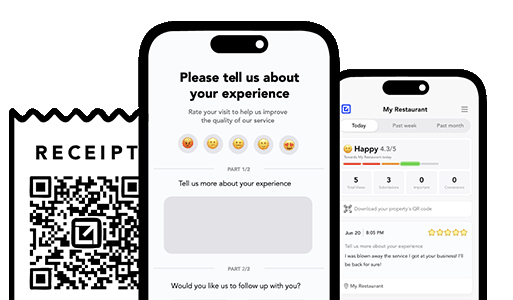
If you are doing all of this manually — sending texts, tracking who to follow up with, remembering which clients are due for a rebook — it works, but it takes time and things slip through the cracks. That is exactly the problem tools like VisibleFeedback are built to solve: automated post-job follow-ups, feedback collection, and repeat service reminders that run in the background so you can focus on the work.
But whether you automate it or run it manually, the principle is the same: the follow-up after the cleaning is more important than the cleaning itself when it comes to keeping clients.
Start with Step 1 tomorrow. Send one check-in text after your next job. See what happens.
Austin Spaeth is the founder of VisibleFeedback, a follow-up and retention tool built for service businesses. He writes about customer retention, reputation management, and repeat revenue for small service companies.