2/24/2026
plumbing
How Plumbing Companies Keep Customers Coming Back (Without Chasing Them)
Most plumbing companies fix the problem and move on. Here's how the ones growing fastest turn one-time calls into repeat customers -- automatically.

TLDR: Most plumbing companies only capture 15-20% of their repeat business potential. A homeowner calls for a drain clearing, pays, and never thinks about you again — until the next thing breaks and they Google someone else. The fix is two things most shops skip: post-job follow-ups and automated maintenance reminders. A follow-up 48 hours after a repair catches problems early and keeps you top-of-mind. Automated reminders for water heater flushes ($150-$250/job), sewer inspections ($200-$400), and winterization ($75-$150) turn your past customer list into a recurring revenue stream. A plumbing company with 1,000 past customers sending just one annual reminder can recover $50,000-$100,000 in extra revenue. The key is automation — manual follow-ups die the first busy week.
A homeowner calls with a backed-up drain. Your tech gets there in two hours, clears it, collects payment, and moves on to the next job. Three months later, that same homeowner needs a water heater replaced. They don’t call you — they Google “plumber near me” and pick whoever shows up first.
This happens hundreds of times a year at the average plumbing company. And it’s not because the customer was unhappy. It’s because you didn’t stay in their head.
Plumbing is one of the few trades where almost every customer will need you again. Drains, water heaters, fixtures, sewer lines, garbage disposals, water softeners — the list of things that break, wear out, or need maintenance is long.
But here’s the problem: plumbing jobs feel transactional to the customer. The pipe leaks, you fix it, they pay. There’s no natural reason for them to think about you again until the next thing breaks. And when that happens — six months, a year, two years later — they’ve forgotten your name.
The numbers tell the story. A typical residential plumbing customer is worth $300-$500 per visit. But a retained customer who calls you for 3-4 jobs over five years? That’s $1,200-$2,000 in lifetime value, plus referrals. Most plumbing companies are capturing maybe 15-20% of that potential because they have no system for staying connected after the first job.
The plumbing companies that are adding revenue without adding trucks are doing three things that most shops skip entirely.
Not a review request — an actual check-in. “Hey, it’s been 48 hours since we fixed your kitchen drain. Everything still flowing okay?”
This does two things. First, it catches problems early. If the repair didn’t hold or something else went wrong, you find out from a quick reply instead of a one-star Google review. Second, it signals to the customer that you care about the outcome, not just the payment. That matters more than most plumbers realize.
The companies that do this consistently see a measurable bump in repeat calls. Customers remember the shop that checked in. When the toilet starts running six months later, they don’t Google around — they call the guys who followed up.

Plumbing has more recurring maintenance opportunities than most owners realize:
A plumbing company with 1,000 past customers and a simple annual reminder for water heater flushes is looking at potentially $50,000-$100,000 in extra revenue — from a single reminder. Most companies never send it because nobody has time to manually email a thousand people.
The fix is automation. Set the reminder once when you finish the job, and the system sends it when it’s due. The customer gets a message like: “Hi Sarah, it’s been about a year since we installed your water heater. Annual flushes extend its life and prevent sediment buildup. Want to schedule one?” They reply, you book the job. No one on your team had to remember anything.
Here’s something that surprises a lot of plumbing company owners: many customers would call you back if it were easier. The friction isn’t that they don’t want to use you again — it’s that they have to dig through old emails or bank statements to find your number, then call during business hours, then wait on hold.
The best follow-up systems include a one-tap callback request. Customer clicks a button, you get a notification, you call them back. No phone tag, no Googling, no friction.
Let’s run the numbers on a real scenario.
Say you’re a plumbing company that completes 80 jobs per month. Without any follow-up system, maybe 10% of those customers call you again within a year. That’s 8 repeat customers per month from your existing base.
Now add two things: a post-job follow-up and an annual maintenance reminder. Industry data suggests that consistent follow-ups can increase repeat rates by 25-40%. Let’s be conservative and say 25%.
That takes your repeat rate from 10% to 12.5% — that’s an extra 2 jobs per month just from the follow-up. At $350 average ticket, that’s $700/month in extra revenue.
Now add the maintenance reminders. If even 5% of your past customer base books an annual water heater flush from a reminder, and you have 2,000 past customers, that’s 100 jobs at $175 each — $17,500 in revenue per year from one automated message.
Compare that to the cost of a follow-up tool ($65-$100/month) and the ROI isn’t even close.
It’s not ignorance — most owners know follow-ups matter. The problem is bandwidth.
When you’re running a crew, handling emergency calls, writing estimates, managing parts inventory, and trying to get home before 8 PM, “set up a follow-up system” falls to the bottom of the list. It’s important but not urgent — until you realize you’ve been in business for five years and have thousands of past customers you’ve never contacted again.
The key is picking a system that doesn’t add more work. If you have to manually send emails after every job, it won’t happen. If you have to maintain a spreadsheet of reminder dates, it’ll be outdated by week two. The system has to run in the background once you set it up.
You don’t need a complicated CRM or a full marketing suite. You need three things:
That’s it. You don’t need social media management, listing syndication, or webchat widgets. You need a way to stay connected to the customers you’ve already earned.
VisibleFeedback automates post-job follow-ups and maintenance reminders for plumbing companies. Set it up once, and it handles the check-ins and reminders that keep your customers calling you instead of Googling someone else.
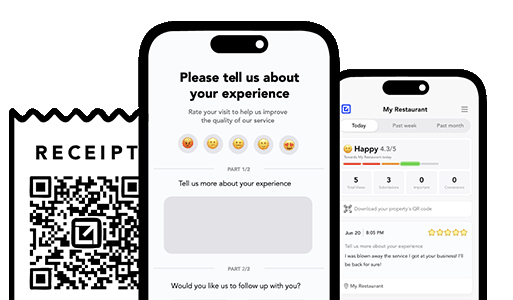
Text or email clients after every job. Catch issues early, recover unhappy clients fast, and drive repeat work with smart reminders.

Austin Spaeth is the founder of VisibleFeedback, a tool that helps service companies automate post-job follow-ups, catch issues early, and drive repeat work with smart reminders. With a background in software development and a focus on practical customer retention systems, Austin built VisibleFeedback to make it easy to text or email customers after every job, route problems to the right person, and keep relationships strong without awkward outreach. When he’s not building new features or writing playbooks for service businesses, he’s wrangling his six kids or sneaking in a beach day.
Whether you’re dealing with callbacks, unhappy customers, or low repeat work, we’ll help you tighten the follow up loop.
No credit card required.
