1/29/2026
Landscaping
The Before-and-After Trap: Why Great Landscaping Work Still Gets Bad Reviews
The work looked amazing on Day 1. The review came on Day 30. What happened in between is the gap most landscaping companies never think about.

TLDR: Landscaping has a churn problem no other trade faces: the work is seasonal, so there’s a natural “breakpoint” every year where clients can walk away without friction. Even happy clients ghost — not because the work was bad, but because no one gave them a reason to stay. This article breaks down why clients leave and provides the retention loop that keeps them.
Every spring, landscaping companies do the same thing: scramble for clients. Some are new leads. But a frustrating number are replacements for clients who should have come back but didn’t.
The owner looks at last year’s client list and thinks: “What happened to the Johnsons? And the Petersons? They seemed happy. Why didn’t they call?”
Here’s the uncomfortable answer: they didn’t leave. They just didn’t come back. There’s a difference — and understanding it is the key to fixing it.
A client who “leaves” makes a decision: “I’m switching companies.” That’s rare. It requires dissatisfaction.
A client who “doesn’t come back” makes no decision at all. They simply… didn’t think about it. Spring arrived, a flyer landed on their door, they called that number instead, and they never thought about you again.
You didn’t lose the client. You lost the reminder.
From November to March (depending on your climate), most landscaping companies go quiet. No work. No invoices. No contact.
That’s 4-5 months of silence. In that time, your client:
The gap isn’t just a pause. It’s an erasure. The longer the silence, the more you become “that landscaping company we used last year… what was their name?”
Did anyone check in after that spring cleanup? After the patio install? After the weekly mowing season ended?
Most landscaping companies don’t follow up because the work feels self-evident: “The lawn looks good. They can see it. What’s there to ask?”
But here’s what the client might be thinking:
These micro-frustrations don’t cause a complaint. They cause a quiet decision not to rehire.
Landscaping is perceived as interchangeable. One crew with a mower is much like another. Unless you’ve created a relationship beyond the work, the client has no emotional switching cost.
Compare this to a plumber or electrician: customers tend to stick with the one they trust because the stakes feel higher. Landscaping doesn’t trigger the same loyalty instinct — unless you build it intentionally.
Landscaping has the most visible competitive pressure of any service trade. Your clients see competitor trucks, crews, and results in their neighborhood every single week. They’re constantly reminded that alternatives exist.
In plumbing or electrical, the client never sees a competitor unless they go looking. In landscaping, the competitor is mowing next door.
A plumber doesn’t worry about retention because the customer calls when the next pipe leaks. But landscaping is often a discretionary, seasonal purchase. If you’re not proactively scheduling the next service or season, there’s nothing pulling the client back to you.
Here’s how a typical landscaping client relationship plays out — and where the breakpoints are:
MONTH 1-2: New client → First job → Everything is fresh
    ✅ High engagement, high satisfaction

MONTH 3-6: Recurring service → Routine sets in
    ⚠️ Small frustrations accumulate silently
    ⚠️ No check-ins to surface concerns

MONTH 7-9: Season winds down → Last service → Invoice
    🚨 No "end of season" check-in
    🚨 No ask about next year
    🚨 Client enters the void

MONTH 10-14: Off-season → Zero contact
    🚨🚨 Maximum vulnerability
    🚨🚨 Competitor flyers arrive
    🚨🚨 Client forgets your name

MONTH 15: Spring → Client hires someone else
    ❌ You didn't lose them. You forgot them.
The breakpoints are clear:
This isn’t a marketing campaign. It’s a relationship maintenance system — timed touchpoints that keep you present, useful, and top-of-mind throughout the year.
“Thanks for choosing [Company Name]! Quick check — are you happy with how everything turned out today? 🙂 Great / 😐 Okay / 🙁 Not good”
Why it matters: Sets the tone for the relationship from Day 1. Shows you care about the outcome, not just the payment. Catches issues before they become silent frustrations.
“Quick check-in — how’s everything looking with your lawn/landscaping? Anything you’d like us to adjust going forward? Reply here with any thoughts.”
Why it matters: This is the touchpoint most landscaping companies never do. It surfaces the small things — mow height, edging detail, missed spots — before they become reasons to switch.
“That wraps up the season! Thanks for trusting us with your property this year. Quick question: is there anything we could do better next year? Your honest feedback helps us improve.”
Why it matters: This does three things: closes the season with intention (not just silence), collects feedback you can act on, and opens the door to “next year” — planting the seed of return.
“Really glad you had a great season with us. If you have a minute, an honest Google review helps other homeowners find reliable landscaping. Here’s the link: [Google Link]”
Why it matters: Review timing matters. Asking at the end of a good season (after confirmed satisfaction) is the highest-conversion moment for landscaping reviews.
“Quick seasonal tip from [Company Name]: [Winter lawn tip, e.g., ‘Avoid walking on frozen grass — it can damage the crowns and leave brown patches in spring.’] We’re here if you need anything over the winter.”
Why it matters: This isn’t a sales pitch. It’s a useful tip that keeps your name in the client’s phone during the dead zone. One useful text in December is worth more than a flyer in March.
“Spring is coming! We’re starting to book [season services — spring cleanups, mowing contracts, etc.] for our returning clients. Want us to get you on the schedule? Reply YES and we’ll lock in your spot.”
Why it matters: This is the money touchpoint. Instead of waiting for the client to remember you, you’re proactively offering to schedule. The client replies “YES” and they’re locked in — before the competitor’s flyer even arrives.
“Spring lineup is set! We’ve got you on the schedule starting [date]. Your crew lead this year is [Name]. If anything changes, just reply here.”
Why it matters: Personalizes the new season, confirms the schedule, and gives the client a contact path. They feel like a returning member, not just another address.
“First service of the season is done! How’d everything look? Anything you’d like us to adjust? 🙂 Great / 😐 Okay / 🙁 Not good”
Why it matters: Resets the check-in loop for the new year. Demonstrates consistent care. Catches any drift from what the client expects.
Let’s put numbers to this, because retention isn’t just a feel-good strategy — it’s the highest-ROI activity in landscaping.
Average landscaping client value:
Client acquisition cost:
Retention cost:
Now the math:
| Scenario | Clients retained | Revenue saved | Acquisition cost avoided |
|---|---|---|---|
| Retain 5 extra clients/year | 5 | $6,750-$15,000 | $375-$1,500 |
| Retain 10 extra clients/year | 10 | $13,500-$30,000 | $750-$3,000 |
| Retain 20 extra clients/year | 20 | $27,000-$60,000 | $1,500-$6,000 |
Retaining 10 clients that would have ghosted is worth $14,000-$33,000 in revenue — for effectively zero cost. That’s not marketing ROI. That’s a system paying for itself hundreds of times over.

Not every ghost is preventable. Some clients move. Some sell their house. Some genuinely want a change. That’s fine.
But the mid-season and end-of-season check-ins serve a second purpose: they surface the clients who are unhappy before they silently leave.
When a client replies to your mid-season check-in with “Actually, the edging has been sloppy the last few weeks,” you can fix it. That client was going to ghost you in October and hire someone else in March. Now they’re a save.
When a client replies to your end-of-season wrap-up with “Honestly, the crew was late a lot this year,” you know what to fix — and you can respond with accountability and a plan. That transparency turns a churning client into a loyal one.
The feedback doesn’t just prevent churn. It prevents the silent kind — which is the most expensive kind because you never even know it happened.
Retained clients are your best referral source. They’ve been with you for multiple seasons, they’re satisfied, and they see your work every day. Here’s how to activate them:
After year 2+, add a referral touchpoint:
“Thanks for sticking with us for another great season! If any of your neighbors are looking for landscaping, we’d love to help. We offer [referral incentive or simply: ‘We take great care of every property in the neighborhood.’]”
Why this works with the retention loop: The client has just confirmed they’re happy (end-of-season check-in) and is primed to advocate. The referral ask feels natural, not transactional.
Retained clients referring new clients is the most profitable growth engine in landscaping — and it only works if the retention loop is running.
You can run the 8-touchpoint loop manually: calendar reminders, text messages, a spreadsheet to track who responded. Some companies do.
Most don’t maintain it past the first season because:
VisibleFeedback automates the entire retention loop:
The result: fewer ghosted clients, more annual revenue per client, lower acquisition costs, and a business that grows from retention — not just marketing.
Landscaping clients don’t leave because they’re unhappy. They leave because you went silent for four months and someone else showed up first.
The fix isn’t better landscaping. It’s a retention loop: 8 timed touchpoints across the year that keep you present, surface concerns early, lock in bookings proactively, and turn happy clients into multi-year relationships.
The companies that run this loop don’t scramble for clients every spring. They start the season with 80% of last year’s roster already booked.
For more on how follow-up systems prevent churn across service industries, read our complete guide to post-job follow-ups. Or if you want the retention loop running automatically, try VisibleFeedback free and see what happens to your spring pipeline when no client forgets your name.
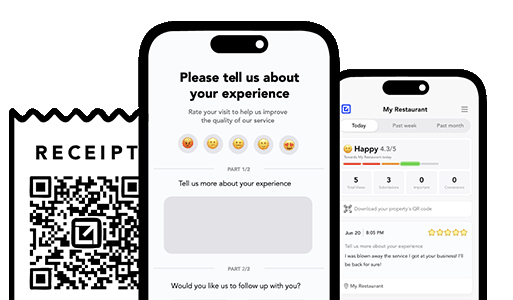
Text or email clients after every job. Catch issues early, recover unhappy clients fast, and drive repeat work with smart reminders.

Austin Spaeth is the founder of VisibleFeedback, a tool that helps service companies automate post-job follow-ups, catch issues early, and drive repeat work with smart reminders. With a background in software development and a focus on practical customer retention systems, Austin built VisibleFeedback to make it easy to text or email customers after every job, route problems to the right person, and keep relationships strong without awkward outreach. When he’s not building new features or writing playbooks for service businesses, he’s wrangling his six kids or sneaking in a beach day.
Whether you’re dealing with callbacks, unhappy customers, or low repeat work, we’ll help you tighten the follow up loop.
No credit card required.
