🚀 Start Here For Help

Whether you’re dealing with callbacks, unhappy customers, or low repeat work, we’ll help you tighten the follow up loop.

Turn Jobs Into Repeat Work

VisibleFeedback automatically texts or emails customers after every job.

  • Automated texts or emails post job
  • Catch issues before they go public
  • Reminders that drive repeat jobs
Send My First Follow Up
14 day trial, no credit card required

Recent HVAC Insights

1/10/2026
HVAC

Best HVAC Follow-Up Software: What to Look For (and What Most Tools Miss)

A practical checklist for HVAC follow-up software: follow-ups, issue recovery, reminders, and review requests—plus what most tools don’t handle well.

1/10/2026
HVAC

Dispatch-Friendly HVAC Issue Inbox: Assignment + Escalation Rules That Work

A simple issue inbox model for HVAC dispatch: clear ownership, tight escalation triggers, and daily habits that keep response times low.

1/10/2026
HVAC

Handling “It’s Still Not Cooling” Complaints: A Fast HVAC Response Playbook

A fast, calm triage workflow for “still not cooling” complaints that reduces callbacks, prevents bad reviews, and keeps conversations private.

1/10/2026
HVAC

How HVAC Companies Reduce Callbacks With a 2-Message Follow-Up

Two short messages catch most HVAC issues early: a same-day functional check and a day-two confirmation after the system has had time to run.

1/10/2026
HVAC

HVAC Customer Education Follow-Ups: Reduce Repeat Calls With One Helpful Message

One short educational follow-up after service can eliminate a surprising number of repeat calls: thermostat confusion, filter questions, normal noises, and “is this okay?” worries.

1/10/2026
HVAC

HVAC Follow-Up Templates: Texts and Emails for Repairs, Installs, and Tune-Ups

Copy/paste HVAC follow-up texts and emails for repairs, installs, and tune-ups—designed to prevent callbacks, protect reviews, and drive repeat work.

1/10/2026
HVAC

HVAC Install Follow-Up Checklist: What to Ask After a System Replacement

A practical post-install checklist that catches comfort issues, confusion, and workmanship problems early—before they turn into regret, refunds, or chargebacks.

1/10/2026
HVAC

HVAC Maintenance Reminders: Campaigns That Book More Tune-Ups

A practical reminder playbook for HVAC companies: 30/60/90 cadences tied to filters, seasonal checkups, and memberships—without sounding spammy.

1/10/2026
HVAC

HVAC Review Requests (Done Right): When to Ask and What to Say

HVAC review growth without sketchy tactics: consistent asks, smart timing by job type, and simple scripts that don’t sound needy.

1/10/2026
HVAC

HVAC Service Membership Retention: Follow-Ups That Keep Customers Renewing

Membership retention isn’t “send more promos.” It’s a simple post-service follow-up flow that proves value, resolves friction fast, and makes renewal feel obvious.

Show more insights
HVAC Review Requests (Done Right): When to Ask and What to Say
© Photo by Austin Distel on Unsplash

HVAC Review Requests (Done Right): When to Ask and What to Say

TLDR: HVAC companies usually under-ask for reviews because they’re afraid of looking pushy—or they overcorrect and use shady gating tactics that feel manipulative. The clean approach is simpler: ask consistently, ask at the right time for each job type, and separate private feedback from public review invites. You can collect feedback quickly to catch problems early, but you shouldn’t filter who gets a review link based on rating. Instead, use timing rules: emergency repairs get a next-day review invite after the system proves stable, tune-ups get a 1–2 day invite, and installs get a 7–10 day invite after settling-time check-ins. This article gives a practical non-gated workflow, examples for repairs vs installs vs maintenance, and copy/paste SMS + email scripts that increase reviews while protecting your reputation. VisibleFeedback supports this by capturing one-tap feedback, speeding up recovery, and sending consistent review invites at the correct time—without the ‘intercept bad reviews’ vibe.

The Goal: More Reviews Without “Review Gating” Energy

Most HVAC review strategies fail in one of two ways:

  • You rarely ask, so only extremes leave reviews (very happy or very angry)
  • You ask in a way that feels manipulative (review gating disguised as “feedback”)

The “done right” approach is boring and effective:

  • consistent asks
  • good timing
  • clean scripts
  • no filtering who gets the link based on rating

You can still do service recovery. You just shouldn’t run a system designed to divert unhappy customers away from public platforms.


The Non-Gated Workflow (Simple and Defensible)

Here’s a clean flow you can explain to any customer, platform, or employee.

1) Collect quick private feedback after the job (to catch issues early)
2) Resolve any issues fast and confirm resolution
3) Send a review invite on a consistent schedule by job type (to everyone)

Key point:

  • Review invites are based on timing, not on rating.

Timing is legitimate. Filtering eligibility is where it gets sketchy.


Why Timing Matters in HVAC

HVAC has “settling time.” Many systems appear fine immediately after service but reveal issues later:

  • overnight temperature swings
  • drain/float switch shutoffs after runtime
  • noise during certain stages
  • customer confusion around thermostat schedules
  • install balance issues after a few days

So if you ask for a review too early:

  • you increase the odds of a customer leaving a review while still irritated
  • you lock in a mediocre review that could have been prevented with a quick fix

Your goal is: ask after stability, not after payment.


Best Timing by Job Type (Practical Rules)

Emergency repairs (no cool / no heat)

Best timing:

  • send feedback check same day
  • send review invite next day after confirming it’s still stable

Suggested schedule:

  • 1–3 hours post-job: functional check
  • 24–36 hours later: confirmation
  • after confirmation: review invite

Standard repairs

Best timing:

  • review invite 1–2 days after completion

Reason:

  • enough time to confirm it actually fixed the problem
  • still fresh in their mind

Tune-ups / maintenance visits

Best timing:

  • 1–2 days after the visit

Reason:

  • low drama service, easy review ask if experience was smooth

Installs (system replacement)

Best timing:

  • 7–10 days after install (after settling-time check-ins)
  • optionally again around 30 days if you’re doing a post-install confirmation

Reason:

  • installs often have small adjustments needed
  • asking too soon increases “buyer’s remorse review” risk

What to Say (Scripts That Don’t Sound Needy)

The language matters. You want confident and brief.

Rules:

  • ask for an honest review
  • mention it helps local businesses
  • one clear link
  • no begging, no long paragraphs

SMS: Standard repair review request

Thanks again for choosing [Business], [Name]. If you have a minute, would you mind leaving an honest Google review? It helps a lot.
[Review Link]

SMS: Tune-up review request

Appreciate you having us out, [Name]. If you could leave an honest Google review, it really helps local companies like ours.
[Review Link]

SMS: Install review request (7–10 days later)

Hey [Name] — glad you’ve had some time with the new system. If you’re up for it, could you leave an honest Google review of your experience?
[Review Link]

Email: Short and clean

Subject: Quick favor? (Honest review)

Hi [Name],
Thanks again for choosing [Business]. If you have a minute, we’d appreciate an honest Google review. It helps future customers find us and helps us keep improving.

Here’s the link: [Review Link]

Thanks,
[Signature]


Pair Review Requests With a Simple Feedback Check (Customer Service)

This is the part most teams miss. Feedback checks prevent negative reviews because they surface issues privately while fixable.

Same-day functional check (repairs)

Quick check: is the system running normally now?
Yes / No

Next-day one-tap check (all job types)

Quick 2-second check: how did we do?
🙂 Great 😐 Okay 🙁 Not good

The non-gated rule still applies:

  • you don’t only send review invites to the smiley people
  • you use feedback to recover issues and improve operations
  • you send review invites based on timing

How Often to Ask (Without Annoying People)

Per job, one ask is enough.

Suggested:

  • send one review invite per completed job
  • do not send repeated nags
  • if you do recurring maintenance, ask once per year or after a major milestone

Too many asks makes you look desperate and trains customers to ignore you.


How to Avoid the “Intercept Bad Reviews” Vibe

These are the moves that make you look shady:

  • “If you’re happy, leave a review. If not, click here.”
  • “Rate us 1–5” and only 4–5 get the link
  • “Don’t leave a review; contact us first.”

Instead:

  • run private feedback checks because that’s normal service
  • fix issues fast
  • ask for reviews consistently at stable timing

If someone is unhappy, you don’t need to beg them not to review. You need to fix the problem.


Practical Add-Ons That Increase Conversion (Without Being Weird)

Make the link direct

Use a direct Google review link (not your homepage).

Mention the tech (optional)

People like praising a person.

SMS variant:

If [Tech Name] did a great job, mentioning them by name helps too.
[Review Link]

Keep the request short

Long messages reduce conversion.


How VisibleFeedback Helps HVAC Review Requests (Done Right)

VisibleFeedback supports a non-gated, consistent process by:

  • capturing one-tap feedback after jobs so issues surface early
  • alerting you instantly on negative signals so you can recover fast
  • tracking issue status until resolution so complaints don’t slip
  • sending review invites on a schedule tied to job type (repair vs install vs tune-up)
  • keeping messaging consistent so it doesn’t depend on someone remembering

It’s not about tricking customers. It’s about running the follow-up loop consistently.


Bottom Line

If you want more HVAC reviews without doing anything sketchy:

  • ask consistently
  • ask at the right time for each job type
  • collect feedback privately to recover issues quickly
  • don’t filter who gets asked based on rating

That’s how you grow reviews while protecting your reputation.

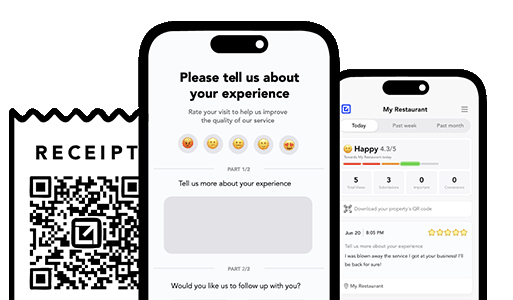
VisibleFeedback running on iphones

Turn Jobs Into Repeat Work

Text or email clients after every job. Catch issues early, recover unhappy clients fast, and drive repeat work with smart reminders.

No card needed, cancel any time

Related articles

How HVAC Companies Reduce Callbacks With a 2-Message Follow-Up

1/10/2026

Two short messages catch most HVAC issues early: a same-day functional check and a day-two confirmation after the system has had time to run.

How to Ask for Reviews Without Being Shady (And Without Review Gating)

1/10/2026

A clean, compliant way to request reviews that builds trust, avoids review gating, and still protects your reputation.

How Service Companies Get More Reviews (Without Being Pushy or Shady)

1/10/2026

Most happy customers don’t leave reviews because they forget. Here’s a compliant, repeatable system: when to ask, what to say, and how to increase review volume without review gating.

People also ask

How can I prevent negative reviews from hurting my business? You can’t stop every unhappy customer from sharing feedback, but you can intercept it before it goes public. Tools like VisibleFeedback allow customers to scan a QR code and leave feedback privately. If the feedback is negative, you’re alerted instantly so you can resolve the issue before it turns into a 1-star review.
Why are customer reviews so important for local SEO? Reviews are one of the top local ranking factors on Google. Businesses with consistent positive reviews rank higher in search results and attract more customers. By using VisibleFeedback to capture happy customer moments and guide them to Google or Yelp, you build a steady flow of authentic reviews that improve both your reputation and your local SEO.
What’s the best way to collect customer feedback in 2025? Traditional methods like comment cards and long surveys don’t work anymore, customers want convenience. The easiest way to collect real-time feedback in 2025 is by using QR codes and mobile-friendly forms. VisibleFeedback makes this simple, helping you get instant insights while turning satisfied customers into 5-star reviewers.
Authored by Austin Spaeth

Austin Spaeth

Austin Spaeth is the founder of VisibleFeedback, a tool that helps service companies automate post-job follow-ups, catch issues early, and drive repeat work with smart reminders. With a background in software development and a focus on practical customer retention systems, Austin built VisibleFeedback to make it easy to text or email customers after every job, route problems to the right person, and keep relationships strong without awkward outreach. When he’s not building new features or writing playbooks for service businesses, he’s wrangling his six kids or sneaking in a beach day.

🚀 What's your goal? Get a plan ...

🚀 Start Here For Help

Whether you’re dealing with callbacks, unhappy customers, or low repeat work, we’ll help you tighten the follow up loop.

×

👋 Wait! Before You Go

Send your first follow up today! Catch issues early and drive repeat work.

No credit card required.