2/2/2026
HVAC
How Smart HVAC Companies Use Automated Reminders to Drive Repeat Revenue
HVAC companies leave thousands on the table by not reminding past customers to come back. Here are the four reminders every HVAC company should automate.

TLDR: High-ticket HVAC installs create a specific kind of risk: the customer spends a lot, then hyper-scrutinizes everything. Small issues (noise, airflow imbalance, thermostat confusion, uneven temps, cleanup concerns) can turn into buyer’s remorse, angry calls, chargebacks, and bad reviews if you don’t follow up properly. The fix is a simple post-install checklist you run on a schedule: a same-day “handoff” summary, a next-day satisfaction check, a day-two comfort stability check, a 7–10 day settling-time check, and a 30-day “everything still great?” confirmation. This article gives you exactly what to ask at each step, why each question matters, and scripts that keep the tone calm and professional. You’ll also see how VisibleFeedback can automate these check-ins with one-tap responses, instant alerts for issues, and a clear status flow until the customer confirms everything is resolved.
An install customer has three things a repair customer often doesn’t:
Even if the installation is technically correct, the customer can still feel regret if:
Your follow-up checklist exists to catch and resolve those “friction points” early, while they’re still small.
This schedule hits the moments where issues usually show up.
You can shorten this for very simple installs, but don’t skip day two and day 7–10. That’s where most “regret” begins.
This is not a marketing email. It’s a clarity email.
What to include:
Subject: Your new HVAC system — quick notes and what to expect
Hi [Name],
Thanks again for choosing [Business]. Here are a few quick notes after today’s system replacement:
If anything feels off, reply here or call/text us at [Phone]. We’ll help quickly.
Thanks,
[Signature]
This reduces confusion and prevents “they never told me” disputes.
Goal: catch immediate dissatisfaction without making the customer type.
Hey [Name] — quick 2-second check after yesterday’s install: how did everything go?
🙂 Great 😐 Okay 🙁 Not good
If neutral/negative:
Thanks for telling us. What should we address first?
Comfort / Thermostat / Noise / Airflow / Cleanliness / Other
Handling rule:
Day two catches:
Quick check, [Name] — is the system holding temperature and running normally today?
Yes / No
If No:
Got it. What feels off?
Not holding temp / Airflow / Noise / Thermostat / Other
This message alone prevents a lot of public escalation.
This is where you do a structured check that makes the customer feel cared for.
You can run this as a short phone call, or a structured SMS flow if you prefer.
1) Comfort: “Any rooms noticeably warmer/cooler than you expected?”
2) Setpoint behavior: “Does it reach the set temperature and stay stable?”
3) Airflow: “Do any vents feel weak compared to others?”
4) Noise: “Any new rattles, vibrations, or loud startup/shutdown sounds?”
5) Thermostat usability: “Is the thermostat easy to use, or confusing?”
6) Drain/condensate: “Any water where it shouldn’t be?”
7) Outdoor unit: “Any unusual noises or anything that looks off?”
8) Cleanliness/workmanship: “Anything you want us to touch up?”
9) Energy expectation: “Any concerns about run time or bills yet?” (don’t overpromise—just listen)
10) Final: “Is there anything that would stop you from recommending us?”
That last question is a regret detector. If they hesitate, you have something to fix.
Hey [Name] — quick 1-minute install check-in now that it’s had time to run. Any issues with:
1) comfort/temps
2) airflow
3) noise
4) thermostat confusion
Reply with the number(s) or “all good”.
If they reply with a number:
Thanks — tell me what you’re noticing and we’ll get a plan in place today.
This is the chargeback and complaint prevention message.
Hey [Name] — quick check now that you’ve had a few weeks: is everything still going great with the new system?
Yes / No
If No:
Thanks for telling us. What’s the main issue?
Comfort / Noise / Airflow / Thermostat / Other
This catches slow-burn dissatisfaction and gives you a chance to fix it privately.
Escalate immediately if the customer mentions:
Response:
I understand. I’m taking ownership and we’ll get this handled quickly. I’m going to call you shortly with the next step.
Then call. Text is too easy to misread when emotions are high.
Chargebacks happen when customers feel:
This checklist prevents that by creating:
Even if the customer remains difficult, you’ve reduced risk and increased your leverage.
Install follow-ups fail when they rely on someone remembering to do them.
VisibleFeedback helps by:
It turns the checklist into an operational system, not a good intention.
For HVAC installs, the money is big and the emotions are real. Follow-ups aren’t optional if you want fewer chargebacks and fewer regret-driven complaints.
Run the schedule:
It’s simple, repeatable, and it saves you from expensive problems.
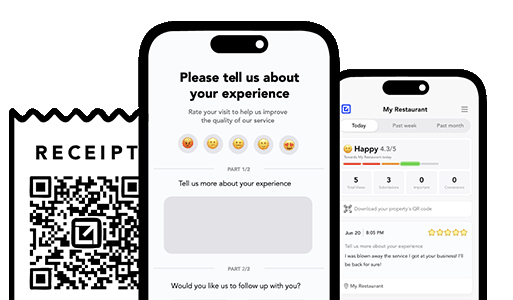
Text or email clients after every job. Catch issues early, recover unhappy clients fast, and drive repeat work with smart reminders.

Austin Spaeth is the founder of VisibleFeedback, a tool that helps service companies automate post-job follow-ups, catch issues early, and drive repeat work with smart reminders. With a background in software development and a focus on practical customer retention systems, Austin built VisibleFeedback to make it easy to text or email customers after every job, route problems to the right person, and keep relationships strong without awkward outreach. When he’s not building new features or writing playbooks for service businesses, he’s wrangling his six kids or sneaking in a beach day.
Whether you’re dealing with callbacks, unhappy customers, or low repeat work, we’ll help you tighten the follow up loop.
No credit card required.
