2/2/2026
HVAC
How Smart HVAC Companies Use Automated Reminders to Drive Repeat Revenue
HVAC companies leave thousands on the table by not reminding past customers to come back. Here are the four reminders every HVAC company should automate.

TLDR: The HVAC companies that stay profitable year-round aren’t chasing emergency calls — they’re booking maintenance visits, tune-ups, and filter replacements from customers who already trust them. The difference comes down to retention. Preventive maintenance contracts account for nearly 40% of total HVAC revenue industry-wide, and acquiring a new customer costs 5 to 7 times more than keeping one. Most homeowners don’t switch HVAC companies because of bad work — they switch because they forgot about you. This article covers the three systems that fix that: post-job follow-ups that catch problems and earn reviews, maintenance agreements that create recurring revenue, and seasonal reminders that bring past customers back automatically. One repair, handled right, turns into a maintenance plan, two annual tune-ups, a parts replacement, a 5-star review, and a referral.
An emergency AC repair in July pays the bills. But the HVAC companies that stay profitable year-round aren’t chasing emergency calls. They’re booking maintenance visits in March, tune-ups in October, and filter replacements in between.
The difference between a seasonal roller coaster and steady revenue comes down to one thing: whether your past customers come back.
Here’s why retention matters more than most HVAC owners realize:
Every HVAC owner wants more leads. But the cheapest, most reliable lead is the customer who already knows your name and trusts your work.
Before fixing the problem, it helps to understand it.
Most homeowners don’t switch HVAC companies because they had a bad experience. They switch because they forgot about you. That’s it.
Your tech did a great job. The homeowner was happy. But twelve months later, when their furnace starts making a weird sound, they don’t dig through their email for your invoice. They Google “HVAC repair near me” and call whoever comes up.
You didn’t lose them to a competitor. You lost them to silence.
The other big reason? They never got on a maintenance plan. A one-time repair is a transaction. A maintenance agreement is a relationship. Without that agreement, there’s nothing tying them to you.
This is the simplest play in the book, and almost nobody does it consistently.
After every job — repair, install, tune-up, whatever — send a follow-up message within 24 hours. It can be a text. It can be an email. Keep it short:
“Hi [Name], this is [Company]. Just checking in after yesterday’s furnace repair. Everything heating up properly? Let us know if you have any questions.”
This does three things at once:
Catches problems early. If something isn’t right, you find out now, from a private text, instead of three weeks later from a public Google review. Companies that follow up effectively recover up to 95% of unhappy customers.
Earns reviews. If they’re happy, your next message (a couple days later) can ask for a review. Over 70% of people will leave one after a positive experience — but only if asked. A direct Google review link in a text message gets clicks. A hope that they’ll remember to review you on their own does not.
Keeps you top of mind. That single text starts a pattern. You’re not the company they used once. You’re the company that checked in, that cared enough to follow up. When they need HVAC work again, your name is the one they remember.
If follow-ups are the foundation, maintenance agreements are the whole building.
A good maintenance plan typically includes:
The homeowner gets peace of mind and lower long-term costs. You get predictable recurring revenue and a reason to be in their house twice a year — where your techs can spot issues, recommend upgrades, and strengthen the relationship.
How to sell more agreements:
At the end of every job. Your tech just fixed their AC. They’re relieved, they’re grateful, and they never want this to happen again. That’s the moment to say: “We have a maintenance plan that catches problems like this before they turn into emergency calls. Want me to set you up?”
In your follow-up messages. After checking that the job went well, introduce the plan: “By the way, we offer annual tune-ups that keep your system running smoothly and catch small issues before they get expensive. Want the details?”
On your website. A dedicated maintenance plan page with clear pricing and benefits gives homeowners a way to sign up without calling.
The companies that grow their agreement base by 20 to 30% per year aren’t doing anything fancy. They’re asking consistently and making it easy to say yes.
Even customers who aren’t on a maintenance plan can be brought back with the right reminders at the right times.
The HVAC calendar practically writes your outreach schedule:
These aren’t marketing blasts. They’re helpful reminders sent to people who already trust you. The conversion rate on a seasonal reminder to a past customer crushes any ad campaign you’ll ever run.
The key is automation. You can’t manually track when 500 past customers last had service and send individual reminders. But a simple system that triggers reminders based on last service date handles it without you lifting a finger. Lightweight tools like VisibleFeedback let you set up these automated touchpoints once, so the outreach runs itself while you focus on running your crews.
Let’s walk through a real scenario.
June 15: Your tech repairs an AC unit for the Johnsons. Job goes well. The system sends a thank-you text that evening.
June 16: Automated check-in: “How’s the AC running?” Mrs. Johnson replies that it’s working great.
June 19: Review request goes out with a direct Google link. She leaves a 5-star review.
June 22: Follow-up email introduces your maintenance plan. She signs up for the annual package.
October 1: Seasonal reminder: “Time for your fall heating check-up.” She books online in two minutes.
October 15: Your tech runs the heating tune-up, finds a worn igniter, replaces it on the spot for $85. No emergency call in January. No angry customer. No bad review.
June 1 (next year): Annual AC tune-up reminder. She books again. Mentions to her neighbor that she loves your service. Neighbor calls you.
That one repair turned into a maintenance plan, two tune-ups, a parts replacement, a 5-star review, and a referral. All from a system that ran mostly on autopilot.
If you’re not doing any of this, don’t try to build everything at once. Start with these two steps:
Step 1: Send a follow-up text after every job this week. Just a check-in. See what comes back. You’ll be surprised how many customers respond — and how many small issues you catch before they become big problems.
Step 2: Pick your best-margin maintenance package and start offering it at the end of every job. Track how many you sell in 30 days. Even a 10% conversion rate will show you where this is heading.
The HVAC companies pulling in steady revenue year-round aren’t doing magic. They’re staying in touch with customers who already like them. That’s the whole game.
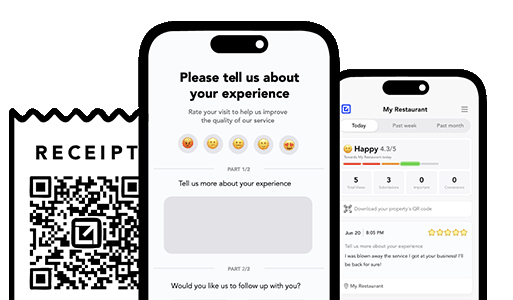
Text or email clients after every job. Catch issues early, recover unhappy clients fast, and drive repeat work with smart reminders.

Austin Spaeth is the founder of VisibleFeedback, a tool that helps service companies automate post-job follow-ups, catch issues early, and drive repeat work with smart reminders. With a background in software development and a focus on practical customer retention systems, Austin built VisibleFeedback to make it easy to text or email customers after every job, route problems to the right person, and keep relationships strong without awkward outreach. When he’s not building new features or writing playbooks for service businesses, he’s wrangling his six kids or sneaking in a beach day.
Whether you’re dealing with callbacks, unhappy customers, or low repeat work, we’ll help you tighten the follow up loop.
No credit card required.
