2/2/2026
HVAC
How Smart HVAC Companies Use Automated Reminders to Drive Repeat Revenue
HVAC companies leave thousands on the table by not reminding past customers to come back. Here are the four reminders every HVAC company should automate.

TLDR: The average homeowner who calls you for a repair will not call you again for 18 months — unless you remind them. That gap is where your repeat revenue disappears. The HVAC companies growing year over year are not just running more ads. They are reminding existing customers to come back with four simple automated messages: seasonal tune-up reminders sent 4-6 weeks before peak season, filter change reminders every 60-90 days, maintenance plan renewal sequences, and post-job follow-ups that plant the seed for the next visit. The math works in your favor: even a 10% booking rate on seasonal reminders to 1,000 past customers means 200 tune-ups and $30,000 in revenue from two text messages. Automation is the difference between a good idea and a working system.
Here is a number most HVAC owners know but do not act on: the average homeowner who calls you for a repair will not call you again for 18 months — unless you remind them. Not because the service was bad. Because life gets busy and nobody thinks about their HVAC system until something breaks.
That 18-month gap is where your repeat revenue disappears. And the fix is not complicated. It is reminders.
Every repair call you complete adds a name to your customer list. That list is worth far more than a single invoice. A homeowner who trusted you with a $400 repair is the easiest person to sell a $150 tune-up to six months later. They already know your company. They already let your tech into their home. The trust is built.
But if you wait for them to remember you, most of them will not. By the time their AC struggles next summer or their furnace makes a noise next winter, they are back on Google searching “HVAC near me” — and your competitor’s ad shows up first.
The HVAC companies growing year over year are not just running more ads. They are reminding existing customers to come back. The math favors it: acquiring a new customer costs five to seven times more than keeping an existing one. A reminder that costs you pennies to send can generate a $150 to $300 service call from someone who was already going to need the work done.
You do not need a complicated marketing system. You need four types of reminders, sent at the right time, to the right customers.
This is the highest-value reminder in HVAC. Two times per year — spring for AC and fall for heating — every past customer should hear from you.
When to send: Four to six weeks before peak season. For cooling, that means late March or early April. For heating, late September or early October. Early enough that customers can schedule before you are booked solid.
What to say: “Hi [Name], it is [Company]. Summer is around the corner — now is the time to get your AC checked before the heat hits. Want us to schedule your tune-up? Reply YES or call us at [number].”
Simple. Direct. No marketing fluff. The homeowner reads it, thinks “oh right, I should probably do that,” and replies.
Planting this reminder before peak season does two things. It fills your schedule during shoulder months when revenue typically dips. And it puts your company in front of customers before they start searching for someone else.
This is the reminder most HVAC companies overlook, and it is one of the easiest revenue generators.
Most homeowners do not know how often to change their filter. They know they should, but they forget. A simple reminder every 60 or 90 days — depending on the filter type — keeps you in their inbox and positions your company as the one that actually cares about their system.
What to say: “Quick reminder: it is probably time to swap your air filter. A dirty filter makes your system work harder and drives up your energy bill. Need us to handle it during a quick visit? Reply or call [number].”
Some companies sell filters directly and ship them. Others use filter reminders as a door-opener for a broader check-up. Either way, you are staying top of mind and generating a touchpoint that leads to bigger work.
If you sell annual maintenance plans — and you should — renewal reminders are non-negotiable.
Most plan holders who cancel do not cancel because they are unhappy. They cancel because they forgot they were on a plan, missed the renewal, and never got a nudge. Losing a maintenance customer to inattention is one of the most avoidable revenue losses in the HVAC business.
When to send: 30 days before the plan expires, then a follow-up at 14 days and again at 3 days if they have not renewed.
What to say: “Hey [Name], your maintenance plan with [Company] renews on [date]. Renewing keeps your priority scheduling, seasonal tune-ups, and 15% parts discount locked in. Want to renew? Reply YES or give us a call.”
Remind them what they get. Make it easy to say yes. Three touchpoints over 30 days catches the customers who meant to renew but forgot.
This one is smart because it combines two goals: making sure the customer is happy, and planting the seed for the next visit.
After every repair or install, send a check-in. If everything went well, close the loop with a forward-looking message: “Glad everything is running smoothly. We will send you a reminder when it is time for your next tune-up so you do not have to think about it. Have a great week.”
You have just set the expectation that you will be in touch. When the seasonal reminder arrives four months later, they are expecting it — and they are more likely to book.
These four reminders are straightforward. The problem is not knowing what to send — it is remembering to send it every time, for every customer, at the right interval.
If your office manager is manually checking a spreadsheet to see who needs a filter reminder, it will not happen consistently. Customers fall through the cracks. Busy weeks mean nobody sends the spring tune-up batch. Renewals expire without a word.
Automation solves the consistency problem. Tools like VisibleFeedback can trigger post-job follow-ups automatically after every service call and send scheduled reminders based on service dates and customer type. The messages go out whether your office is slammed or slow. Every customer gets the right reminder at the right time.
The companies that automate this process see measurably higher maintenance plan enrollment, stronger renewal rates, and more repeat service calls during shoulder months. Not because they are doing anything revolutionary — but because they are doing the basics every single time.
Here is what the numbers look like for a mid-size HVAC company with 1,000 past customers in the database:
These are not projections based on best-case scenarios. These are conservative estimates based on the reality that your existing customers already trust you. You are not selling. You are reminding them to do something they already need done.
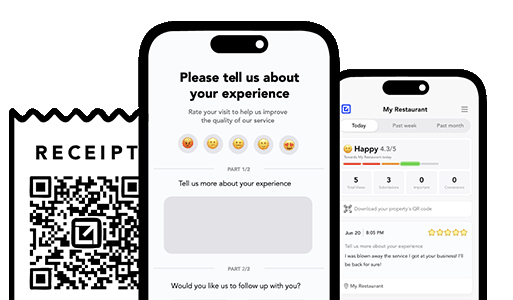
Text or email clients after every job. Catch issues early, recover unhappy clients fast, and drive repeat work with smart reminders.

Austin Spaeth is the founder of VisibleFeedback, a tool that helps service companies automate post-job follow-ups, catch issues early, and drive repeat work with smart reminders. With a background in software development and a focus on practical customer retention systems, Austin built VisibleFeedback to make it easy to text or email customers after every job, route problems to the right person, and keep relationships strong without awkward outreach. When he’s not building new features or writing playbooks for service businesses, he’s wrangling his six kids or sneaking in a beach day.
Whether you’re dealing with callbacks, unhappy customers, or low repeat work, we’ll help you tighten the follow up loop.
No credit card required.
