2/12/2026
Electrician
How Electricians Can Prevent Bad Reviews Before They Happen
Most bad reviews for electricians come from the same 5 preventable problems. Here's how to identify and fix them before a frustrated homeowner opens Google.

TLDR: Electrical work has a unique reputation problem: most of it is invisible. The homeowner can’t see the wiring behind the wall, can’t verify the panel work, and can’t tell whether a flickering light is normal settling or a fire hazard. That anxiety doesn’t lead to phone calls — it leads to Google searches, growing doubt, and eventually bad reviews. This article breaks down the specific post-job anxiety triggers for electrical work and shows how a simple follow-up message prevents every one of them.
A plumber fixes a leak — the customer can check under the sink and see: dry. No drip. Fixed.
A roofer replaces shingles — the customer can look up and see: new shingles. Clean lines. Done.
An electrician upgrades a panel, rewires a circuit, or installs a dedicated outlet — the customer sees… a closed panel door. A wall plate. A switch that works. Everything looks exactly the same as before, except now there’s a bill for $800.
Electrical work is trust-based in a way that no other trade is. The customer is paying for something they can’t see, can’t verify, and can’t evaluate with their own senses. All they have is:
That “I don’t know” is where the problem lives.
Here’s the internal monologue of a homeowner after an electrical job — even a perfectly executed one:
“Okay, the new outlets work. That’s good. But what about the wiring behind the wall? Did they connect everything right? The breaker panel looks the same as before — is that normal? Wait, was that light always flickering? Is that related to the work they just did? Should I be worried about that? I don’t want to call and sound dumb. Let me Google it.”
This isn’t the customer being unreasonable. This is a natural response to paying for invisible work. And unlike a leaky pipe (where the evidence is visible), electrical concerns are fueled entirely by what the customer can’t see.
That makes the anxiety harder to resolve on their own — and more likely to fester.
Not all electrical work triggers the same level of worry. Here are the five job types that generate the most post-job anxiety — ranked by how invisible the work is and how scary the consequences feel.
Why it’s scary for the customer: The electrical panel is the heart of the home’s power. The customer just paid $1,500-$3,000+ for something inside a metal box they’ve been told never to touch. They can’t inspect it. They can’t verify it. And they’ve heard stories about electrical fires.
What they Google after:
“Is it normal for breaker to trip after panel upgrade” “Buzzing sound from electrical panel normal?” “How do I know if my panel upgrade was done right”
The follow-up that prevents it:
“Panel upgrade is complete and everything tested clean. You may hear a light hum from the panel — that’s normal transformer noise. If any breakers trip in the first few days, it could just be the new system settling in — reply here and we’ll check it out. If you ever smell burning or see scorch marks, call us immediately.”
Why it’s scary: You just ran new wire through their walls and closed everything back up. The customer is literally living inside your work and they can’t see any of it. Every creak, buzz, or flicker will be attributed to the rewire for months.
What they Google:
“House rewire how to tell if done correctly” “Flickering lights after rewire” “Is my house safe after electrical rewire”
The follow-up that prevents it:
“Rewire is complete and all circuits tested. Everything is up to code. Over the next few days, you might notice switches or outlets feel slightly different (new components sometimes have different tension) — totally normal. If you see flickering, smell anything unusual, or a breaker trips, reply here and we’ll come check it out right away.”
Why it’s scary: The customer can see the outlet — but they can’t see the wire running back to the panel. They’re plugging expensive equipment (EV charger, hot tub, server rack) into something they’re trusting is wired correctly.
What they Google:
“New outlet sparking when I plug in” “Is it normal for new outlet to be warm” “Dedicated circuit for EV charger safe?”
The follow-up that prevents it:
“New [outlet/circuit] is installed and tested. A few things that are normal: the outlet may feel slightly warm when under heavy load — that’s fine. If it feels hot to the touch, if you see sparking, or if the breaker trips, reply here and we’ll check it right away.”
Why it’s scary: New lights are visible, but the wiring isn’t. Customers worry about: heat in the ceiling (fire risk), dimming or flickering (bad wiring?), and whether recessed cans near insulation are safe.
What they Google:
“Recessed lights hot to touch is that safe” “New lights buzzing on dimmer” “LED lights flickering after electrician installed”
The follow-up that prevents it:
“Lights are in and looking great! A few things to know: if you’re using a dimmer, some LED bulbs can buzz slightly at certain settings — that’s the bulb, not the wiring. Recessed cans may feel warm to the touch, which is normal and safe. If any lights flicker consistently or you notice a burning smell, reply here.”
Why it’s scary: The customer paid $5,000-$15,000+ for something they haven’t needed yet. They won’t know if it works until the power goes out — and by then, it’s too late to complain productively. The anxiety sits dormant until it’s activated by a storm or outage.
What they Google:
“How do I test my whole house generator” “Generator transfer switch clicking noise” “Will my generator turn on automatically during power outage”
The follow-up that prevents it:
“Generator install is complete and we’ve tested the automatic transfer. Here’s how to know it’s working: you’ll hear the transfer switch click during a power outage, then the generator starts within 10-30 seconds. The system runs a weekly self-test (short run, usually early morning). If the self-test doesn’t happen or you want us to walk you through a manual test, reply here.”

Every trade has post-job concerns. But electrical anxiety has a unique psychological weight that plumbing, roofing, and HVAC don’t:
The fear is fire. Not inconvenience — fire. When a plumbing repair fails, you get water damage. When an electrical repair fails (in the customer’s imagination), you get a house fire. That makes every small anomaly — a flicker, a buzz, warmth — feel like a potential catastrophe.
The customer can’t self-diagnose. With plumbing, they can check for drips. With HVAC, they can feel the temperature. With electrical, they can’t open the panel, can’t look behind the wall, and can’t test the circuit without equipment they don’t have. They’re totally dependent on trust.
The consequences are invisible until they’re catastrophic. Electrical problems don’t give visible warnings the way a leak does. The customer knows this. So they fill the information void with worry.
This means electrical companies need follow-up communication even more than other trades. Not because the work is worse — because the customer has no way to verify it’s good.
Electrical bad reviews follow a slightly different timeline than other trades because the anxiety builds more slowly:
| Time after job | Customer’s mental state | What they do |
|---|---|---|
| 0-4 hours | “Seems to work. I think we’re good.” | Nothing — cautious optimism |
| 4-24 hours | “Wait, was that flicker normal? Is this buzzing new?” | Google search — factual |
| 1-3 days | “I’m not sure they did it right. Should I call someone else to check?” | Google search — doubt |
| 3-7 days | “It’s been a week and I’m still worried. This was expensive.” | Review consideration begins |
| 1-2 weeks | “I never heard back from them. They took my money and disappeared.” | Review is written |
Notice the key line: “I never heard back from them.” That’s the silent reputation killer. The customer’s anxiety festered for days, and at no point did anyone from your company check in to ask “is everything working?”
One message at the 4-hour mark. One message at the 24-hour mark. That’s all it takes to reset the timeline and keep the customer on the “cautious optimism” track instead of the “growing doubt” track.
We analyzed the same pattern in plumbing — the 5-star plumber next door gets better reviews not because of better plumbing, but because of better communication around the plumbing. Electrical is identical.
The top-rated electricians in any market share these habits:
1. They explain what’s normal before they leave. Thirty seconds at the door: “You might hear X, you might notice Y, that’s normal. If you see Z, call us.” This one habit prevents 80% of post-job anxiety.
2. They send a same-day check-in. A text within 2-3 hours: “Everything working as expected? Yes / No.” This catches immediate issues and tells the customer you care about the outcome.
3. They send a next-day follow-up. A second check-in the following day: “Still looking good today? Yes / No.” This catches the overnight concerns — the flicker they noticed at 11 PM, the buzzing they heard in the morning.
4. They respond fast when something is flagged. When a customer says “No,” the office responds within 30 minutes — not the next day. Speed is the difference between “they took care of it” and “they didn’t care.”
5. They ask for reviews only after confirmed satisfaction. The review request goes out after two positive check-ins — not the same day as the job. This means only happy customers are asked, and the review content reflects the full experience (including the follow-up).
Let’s put numbers to this:
Cost of a prevented bad review:
Cost of a published bad review:
You can’t afford not to follow up. The ROI on a single prevented bad review pays for months of automated follow-up messages.
You can do all of this manually — same-day text, next-day text, watch for replies, respond fast, track resolution. Some electricians do. Most stop after two weeks because the office gets busy and nobody remembers.
VisibleFeedback automates the entire loop:
The result: fewer anxious customers, fewer bad reviews, and a reputation that reflects the quality of your work — not the silence after it.
Electrical work is invisible. That’s what makes it valuable — and that’s what makes it vulnerable to reputation damage. The customer can’t see your work, so they can’t evaluate it. All they can evaluate is how you communicate around it.
Silence after an electrical job doesn’t mean “everything is fine.” It means “I have no idea if everything is fine, and nobody is asking.”
One check-in message at the right time — with the right information — answers the question the customer was about to Google, prevents the anxiety that leads to bad reviews, and turns invisible work into visible trust.
For ready-to-use scripts and templates, check out our electrician follow-up guide. Or, if you want the whole system on autopilot, try VisibleFeedback free and see what happens when every customer hears from you after every job.
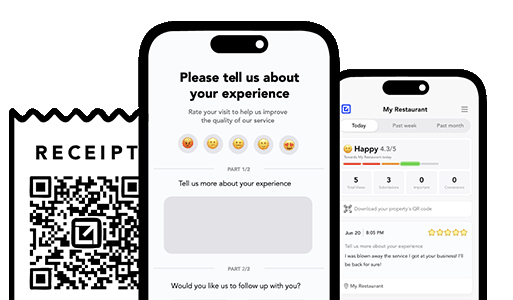
Text or email clients after every job. Catch issues early, recover unhappy clients fast, and drive repeat work with smart reminders.

Austin Spaeth is the founder of VisibleFeedback, a tool that helps service companies automate post-job follow-ups, catch issues early, and drive repeat work with smart reminders. With a background in software development and a focus on practical customer retention systems, Austin built VisibleFeedback to make it easy to text or email customers after every job, route problems to the right person, and keep relationships strong without awkward outreach. When he’s not building new features or writing playbooks for service businesses, he’s wrangling his six kids or sneaking in a beach day.
Whether you’re dealing with callbacks, unhappy customers, or low repeat work, we’ll help you tighten the follow up loop.
No credit card required.
