TLDR: Cleaning companies lose recurring revenue not because their work is bad, but because communication stops the moment the cleaning ends. A one-time client who drifts away costs you five to seven times more to replace than to keep. A residential cleaning client on a biweekly schedule at $150 per visit is worth $3,900 a year — and retaining just five more clients per month adds $216,000 in annual revenue over a year. The fix is a four-step follow-up loop: send a same-day or next-day check-in after every cleaning, catch and resolve problems before they become silent cancellations, set up automated reminders for rebooking and seasonal deep cleans, and ask happy clients for reviews and referrals at the right moment. None of these are complicated. The challenge is doing them consistently — which is where automation pays for itself many times over.
You finished the job. The house looks spotless. The client said thanks and paid the invoice. And then you never hear from them again.
Not because the clean was bad. Not because they found someone cheaper. They just forgot about you. Life moved on. The next time they needed a cleaner, they searched Google and picked whoever showed up first. It might have been you. It probably was not.
This is the revolving door problem that eats cleaning companies alive. You spend money and time getting new clients — ads, referrals, flyers, word of mouth — only to watch them quietly disappear after one or two cleanings. You replace them, and the cycle repeats. You are always hustling for the next new client instead of building a base of regulars who keep your schedule full.
It does not have to work this way.
The Math That Should Change How You Run Your Business
Here is the reality most cleaning company owners feel in their gut but never put numbers to: getting a new client costs five to seven times more than keeping one you already have.
Think about what it takes to land a new residential cleaning client. You are running Facebook ads, printing door hangers, asking for referrals, answering calls from people who are shopping three other companies, driving out for estimates, and hoping they actually book. By the time that first cleaning happens, you have invested hours and dollars into that one client.
Now think about what it takes to keep an existing client coming back. A follow-up text. A reminder. Maybe a quick call if something was off. The cost is close to zero, and the return is enormous.
A residential cleaning client on a biweekly schedule at $150 per visit is worth $3,900 a year. On a weekly schedule, that is $7,800. One retained client can be worth more than twenty new leads that never convert. The math is not close.
For commercial cleaning, the numbers are even more dramatic. A single office contract at $800 per month is $9,600 a year. Lose that contract because you missed a complaint about the break room, and you are looking at months of prospecting to replace it.
Cleaning business customer retention is not a nice-to-have. It is the difference between a business that grows and one that spins its wheels.
Why One-Time Clients Do Not Come Back
When a client uses your cleaning service once and disappears, it is rarely because the clean was terrible. The real reasons are quieter and more fixable than you think.
Nobody followed up. The job ended and that was it. No check-in to ask if they were happy. No message to say thanks. Nothing to keep your name in front of them. Out of sight, out of mind.
A small problem went unmentioned. Maybe the client noticed a streaky mirror or a dusty baseboard. Not bad enough to call and complain about. But bad enough to make them think “eh, I’ll try someone else next time.” You never knew there was an issue. They never gave you a chance to fix it. Silent cancellations are the biggest killer of cleaning company repeat business.
No reminder to rebook. The client meant to schedule another cleaning. Then the week got busy. Then a month passed. Then three months. They did not leave you — they just drifted away because nobody nudged them.
No reason to feel loyal. You did a good job. So did the last cleaner. And the one before that. Without any relationship beyond the transaction, there is nothing tying them to you specifically.
Every one of these problems has the same root cause: the cleaning is over, and the communication stops. Fix that, and you fix your retention.
The Follow-Up Framework That Keeps Clients Coming Back
Turning one-time clients into recurring cleaning clients is not about being pushy or salesy. It is about building a simple communication loop that runs after every job. Four steps. That is it.
Step 1: Same-Day or Next-Day Feedback
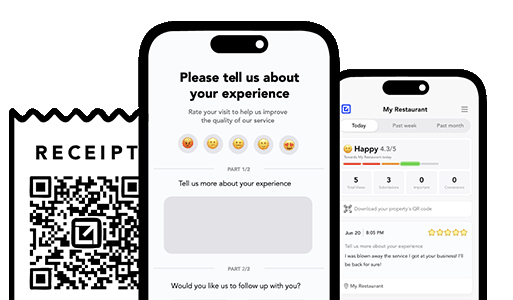
After every cleaning, send a short follow-up message. Text works best, but email is fine too. Keep it simple:
“Hi [Name], this is [Your Company]. Just wanted to check in after today’s cleaning — did everything meet your expectations? If anything needs attention, let us know and we’ll take care of it.”
This does two things. First, it makes the client feel valued. Most cleaners do not do this, so you immediately stand out. Second, it opens a private channel for complaints. If something was not right, you hear about it in a text message — not in a 2-star Google review three weeks later.
For commercial clients, this is even more important. Property managers and office managers notice when a vendor checks in proactively. It signals professionalism and makes them less likely to shop around when the contract comes up for renewal.
Step 2: Catch Problems Before They Become Silent Cancellations
When a client responds to your follow-up with an issue — even a small one — that is a gift. It means they are giving you a chance to make it right instead of quietly walking away.
Respond fast. Acknowledge the problem. Offer to fix it. No excuses, no defensiveness.
“Thanks for letting us know about the kitchen floor. That’s not up to our standard. We’ll send someone back tomorrow to take care of it — no charge.”
That response costs you one extra trip. But it saves a client worth thousands of dollars a year. And here is the part most cleaning company owners miss: clients who have a problem that gets resolved quickly are often more loyal than clients who never had a problem at all. You proved you care enough to make it right. That builds trust you cannot buy with advertising.
The clients who scare you are the ones who say nothing. No response to your follow-up. No complaint. No rebooking. Those are the ones slipping away. When you notice silence, a simple check-in call can bring them back before they are gone for good.
Step 3: Automated Reminders for Rebooking
This is where cleaning companies leave the most money on the table. A client books a one-time deep clean. You do a great job. Then nothing.
Three types of reminders keep your schedule full:
Rebooking reminders. For one-time clients, send a reminder two to four weeks after the cleaning. “Hi [Name], it’s been a few weeks since your last cleaning. Ready to schedule the next one? Reply or call us at [number].” Simple. No pressure. Just a nudge.
Seasonal deep clean reminders. Spring cleaning, post-holiday deep cleans, move-in/move-out cleans — these are natural trigger points. If a client had a deep clean done last spring, remind them this spring. “Spring is coming up — want to get your deep clean on the calendar before our schedule fills up?”
Recurring schedule check-ins. For clients on a regular schedule, check in every few months to make sure the frequency still works. “Hey [Name], just checking in — is your biweekly schedule still working for you, or would you like to adjust?” This small touch prevents the slow drift where a biweekly client starts skipping visits and eventually drops off.
The key with reminders is consistency. Sending them manually works for a while, but it falls apart when your schedule gets busy. One missed week of reminders means dozens of clients who do not hear from you. Automating the process means every client gets the right message at the right time, whether you are fully booked or having a slow week.
Step 4: Turn Happy Clients Into Referral Sources and Reviewers
When a client tells you the clean was great — either in response to your follow-up or in person — that is your moment. Not to be salesy. Just to ask.
“Really glad to hear that. If you have a minute, a Google review would mean a lot to us. Here’s the link: [direct link].”
One message. One link. That is it. Most clients who are happy will leave a review if you make it easy. The ones who do not were never going to regardless.
For referrals, the same approach works. After a positive follow-up response:
“Thanks! If you know anyone looking for a reliable cleaner, we’d love the introduction.”
Your best clients are your best salespeople. But only if you ask. And the best time to ask is right after they have confirmed they are happy — not weeks later when the glow has faded.
What Retaining 5 More Clients Per Month Actually Means
Let’s make this real. Say you are a residential cleaning company losing about ten clients a month to silent churn. You start following up, sending reminders, and catching problems early. Nothing dramatic — you just retain five more clients per month than you used to.
Five clients on a biweekly schedule at $150 per visit. That is $1,500 per month in retained revenue. After six months, you have retained 30 additional clients — that is $9,000 per month. After a year, you have 60 additional clients generating $18,000 per month that you would have otherwise lost.
That is $216,000 in annual revenue. Not from new marketing. Not from new ads. From keeping the clients you already earned.
For a commercial cleaning company, the numbers compound even faster. Retaining five extra contracts at $800 per month each adds $48,000 per year.
The follow-up, the feedback, the reminders — these are not extras. They are the most profitable activities in your business.
Key Takeaways
- Getting a new cleaning client costs five to seven times more than keeping one. Your existing clients are your most valuable asset.
- Most clients who leave were not unhappy enough to complain. They just drifted away because nobody followed up or reminded them to rebook.
- A same-day or next-day follow-up after every cleaning catches problems before they become silent cancellations.
- Automated reminders for rebooking, seasonal deep cleans, and schedule check-ins keep your calendar full without manual effort.
- Happy clients will leave reviews and refer friends — but only if you ask at the right moment.
- Retaining just five more clients per month can add six figures to your annual revenue.
If you want to put this follow-up and reminder system on autopilot, VisibleFeedback was built for exactly this. It handles post-cleaning follow-ups, collects feedback before small problems become lost clients, and sends reminders that bring customers back for their next cleaning — all without adding work to your day.